What Is a Roller Chain?
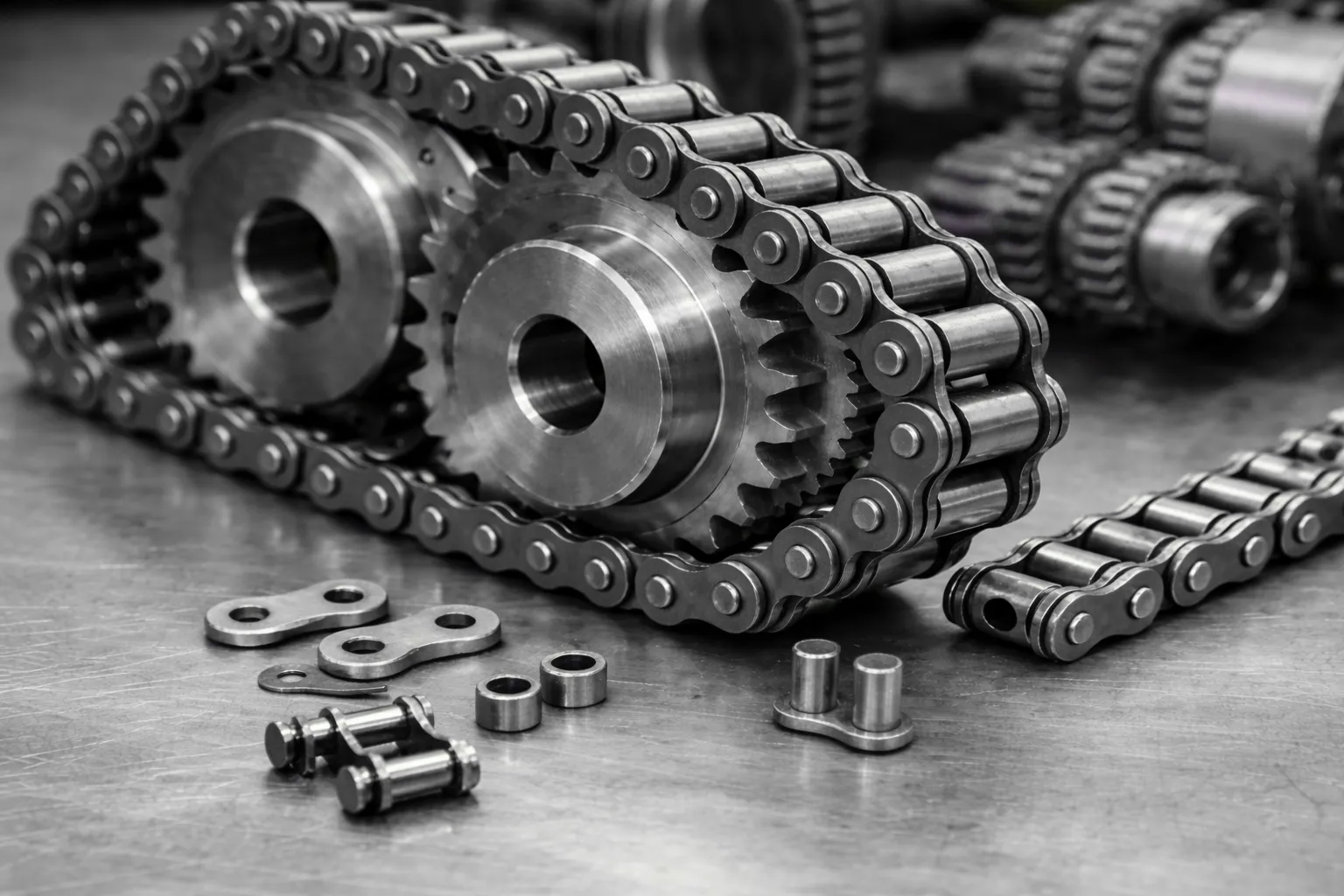
Roller chains, also known as bushing roller chains, are a type of chain widely used for transmitting mechanical power. This innovative device features a series of cylindrical rollers connected together by side links. These components work together to facilitate the smooth transfer of energy between different parts of the machine, ensuring efficient operation. The working principle of roller chains lies in their ability to evenly distribute weight across multiple contact points, maintaining stable performance even under high loads.
Components of a Roller Chain
Links
The primary components of a roller chain include inner links, outer links, and rollers. Inner links consist of plates that provide structural integrity, while outer links connect to the inner links, forming a continuous loop. The rollers, situated between these links, reduce friction and enable the chain to glide smoothly over sprockets. This intricate design harnesses the potential of mechanical engineering, making roller chains an integral part of various systems.
Materials
Roller chains are typically made of high-strength materials such as stainless steel, carbon steel, or alloy steel. The choice of material significantly affects the chain’s performance, durability, and resistance to environmental factors. For example, stainless steel roller chains offer excellent corrosion resistance, making them ideal for applications in humid or chemically corrosive environments. On the other hand, carbon steel chains may be more popular for less demanding applications due to their economic advantages.
Types of Roller Chains
Standard Roller Chains
Standard roller chains are the most common type, utilized in a plethora of industrial settings. They are designed to handle moderate loads and speeds, making them suitable for general-purpose applications. The design of standard chains allows for easy installation and maintenance, a critical consideration in industrial environments where downtime can lead to significant losses.
Heavy-Duty Roller Chains
Heavy-duty roller chains are engineered to withstand higher loads and harsher conditions. These chains feature thicker links and reinforced construction, allowing them to endure the rigors of demanding operations. Industries such as mining, construction, and agriculture frequently employ heavy-duty chains due to their reliability and longevity.
Roller Chains with Attachments
For specialized applications, roller chains can be equipped with attachments such as brackets or plates. These modifications enhance the chain’s versatility, enabling it to be used in applications like conveying systems or lifting mechanisms. The customizability of roller chains is one of their most appealing features, allowing engineers to tailor solutions to specific operational needs.
Working Mechanism
The functionality of roller chains is rooted in their interaction with sprockets. When the chain wraps around a sprocket, the rollers engage with the teeth of the sprocket, effectively transferring power. This interaction minimizes slippage and maximizes torque transmission. The efficiency of this system is critical, as any loss in power transfer directly impacts the performance of the machinery involved.
Advantages of Using Roller Chains
High Efficiency
One of the most significant advantages of roller chains is their efficiency in power transmission. They achieve high levels of mechanical efficiency, often exceeding 95%. This efficiency translates into reduced energy consumption and lower operational costs, a crucial factor for any manufacturing process aiming to optimize performance.
Durability and Longevity
Roller chains are built to last. The robust construction, along with proper maintenance, allows them to operate effectively for extended periods. Regular lubrication and adjustments can further enhance their lifespan, making them a cost-effective choice in the long run. This durability is especially important in high-stress environments where equipment failure can lead to catastrophic downtime.
Versatility
Roller chains can be adapted to a multitude of applications, ranging from simple mechanical devices to complex automated systems. Their ability to perform in various environments and their compatibility with different machinery types make them an invaluable asset across numerous industries. The adaptability of roller chains extends to customization, allowing for bespoke solutions tailored to unique operational challenges.
Applications of Roller Chains
Manufacturing Equipment
In manufacturing settings, roller chains are employed to drive conveyors, assembly lines, and other machinery. Their ability to handle heavy loads while maintaining smooth operation is vital for productivity. Moreover, the integration of roller chains into automated systems enhances efficiency, ensuring that production processes are continuous and reliable.
Agricultural Machinery
In agriculture, roller chains are often used in equipment such as tractors, harvesters, and irrigation systems. Their durability in harsh outdoor environments, along with resistance to wear and tear, makes them ideal for agricultural applications. As farms adopt more automated technologies, the role of roller chains in enhancing performance becomes increasingly significant.
Automotive Industry
The automotive industry relies heavily on roller chains for various applications, including timing chains in engines and drive chains in motorcycles. These components must withstand extreme conditions, including high temperatures and varying loads. The precision and reliability of roller chains are essential in ensuring vehicle performance and safety.
Material Handling
Material handling systems, such as those found in warehouses and distribution centers, utilize roller chains for efficient transportation of goods. The ability of roller chains to handle heavy loads while maintaining speed is crucial in these environments, where time is often of the essence. Custom-designed roller chains with attachments can optimize these systems, enhancing overall productivity.
Maintenance of Roller Chains
Lubrication
Proper lubrication is critical to ensuring the longevity and performance of roller chains. Regularly applying lubricant reduces friction between the roller and sprocket, minimizing wear. This maintenance task should not be overlooked, as neglecting lubrication can lead to premature failure and costly repairs.
Adjustment
Chains can stretch over time due to normal wear and tear. Regularly checking and adjusting the tension of the chain is necessary to prevent slippage and ensure optimal performance. A properly tensioned chain will operate more efficiently, reducing the risk of breakdowns.
Inspection
Regular inspections of roller chains are essential for identifying wear or damage. Components such as links, rollers, and sprockets should be assessed periodically to ensure they are in good condition. Early detection of issues can prevent more significant problems down the line, safeguarding operational efficiency.
Future of Roller Chains in Industrial Applications
The landscape of industrial machinery is constantly evolving, and the role of roller chains is changing accordingly. As industries seek to improve efficiency and reduce energy consumption, the demand for high-performance roller chains is expected to grow. Innovations in materials and manufacturing processes are poised to lead to more durable and efficient roller chains, further solidifying their position in the machinery sector.
Furthermore, integrating smart technologies into roller chain systems is expected to pave the way for advanced monitoring and maintenance solutions. This could include using sensors to track performance metrics and issue alerts before potential problems escalate. The future trend for roller chains is likely to be higher levels of automation and smarter solutions, ensuring their continued indispensable role in optimizing the performance of industrial machinery.
As industries continue to face challenges related to efficiency and sustainability, roller chains will play a crucial role in driving innovations that meet these needs. Their unique characteristics, combined with technological advancements, will shape the future of power transmission systems across industries.
The Role of Roller Chains in Optimizing Industrial Machinery Performance
Introduction to Roller Chains
Roller chains are an indispensable component of machinery across various industries and a core part of power transmission systems. The efficiency and effectiveness of these chains have a significant impact on the overall performance of industrial equipment. Understanding the mechanical principles, structure, and applications of roller chains is crucial for optimizing mechanical performance.
Understanding the Mechanics of Roller Chains
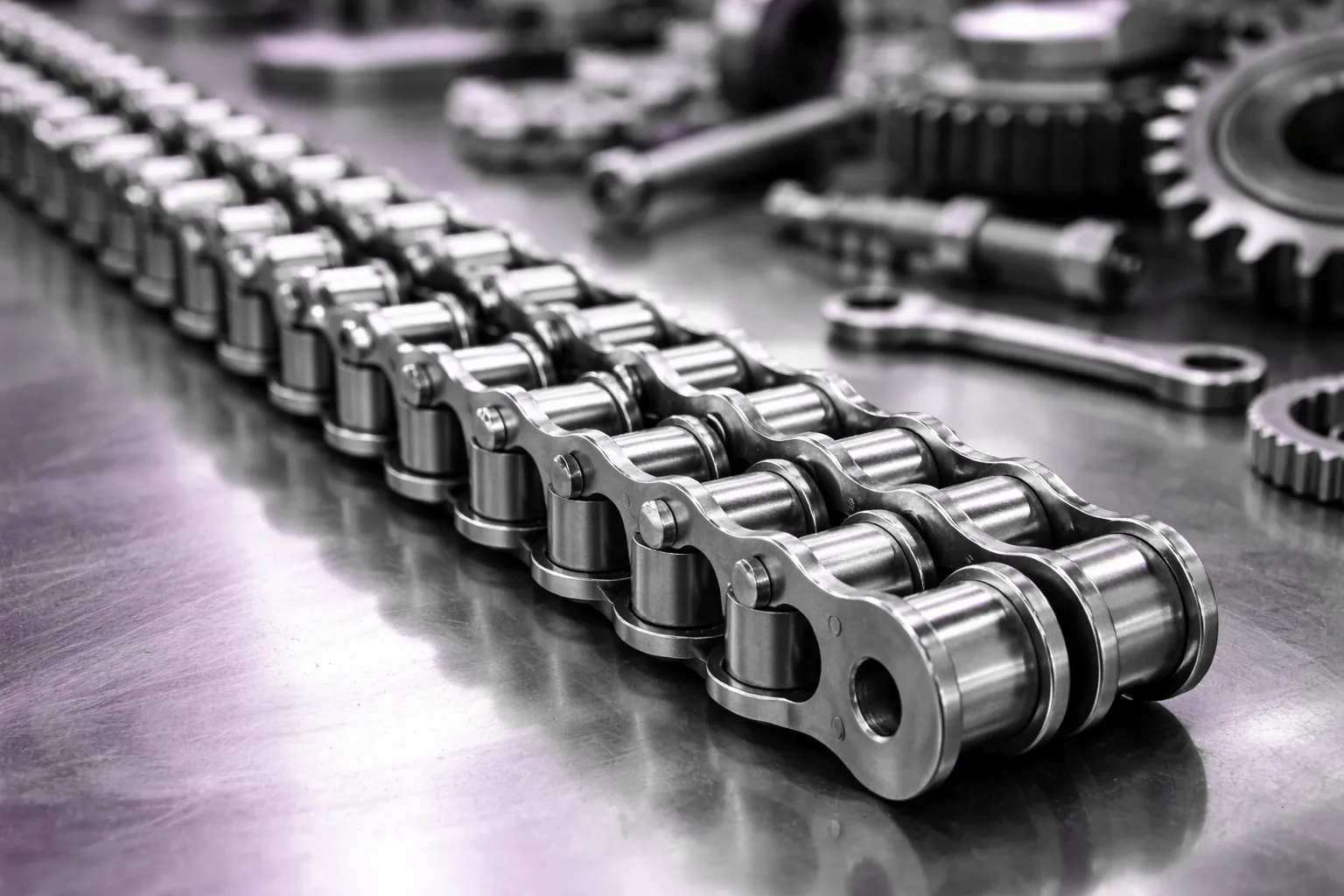
At their core, roller chains consist of a series of interlinked rollers that engage with gears or sprockets. This mechanism allows for the transfer of rotational motion and power from one component to another. The precision in manufacturing these chains ensures a smooth and reliable operation, critical for high-performance industrial applications.
Transitioning to Roller Chains
After a thorough analysis, the decision was made to transition from the belt drive system to a roller chain drive system. The newly implemented roller chains were selected based on their durability, load capacity, and low friction characteristics.
Performance Improvements Explained
The data clearly showcases how roller chains optimize performance across several dimensions.
Power Efficiency
The reduction in power consumption from 15 kW to 10 kW reflects a significant enhancement in energy efficiency. The lower frictional losses inherent in roller chains contribute to this decrease, allowing for more effective power transmission.
Operational Efficiency
An increase in operational efficiency from 70% to 90% indicates a reduced waste of energy and improved throughput. This enhancement can be attributed to the more reliable engagement of roller chains with sprockets, facilitating smoother transitions and reduced slippage.
Maintenance and Downtime Reduction
The shift from monthly maintenance to quarterly inspections underscores the durability of roller chains compared to belts. Fewer maintenance requirements lead to a reduction in labor costs and machine downtime, allowing for more continuous production cycles.
Cost-Effectiveness
The reduction in replacement costs from $1,500 to $400 monthly signifies a major financial advantage. The longevity of roller chains, combined with their lower maintenance needs, results in substantial long-term savings for the facility.
Real-World Application: Manufacturing Sector
In the manufacturing sector, where precision and reliability are paramount, roller chains have demonstrated their worth in various applications. A notable case involves a large-scale automotive assembly plant that integrated roller chains into its robotic assembly lines.
Implementation Details
Prior to the installation of roller chains, the assembly line utilized traditional belt systems that faced frequent disruptions due to slippage and misalignment. The decision to implement roller chains led to:
– Enhanced synchronization of robotic arms
– Improved speed and accuracy in assembly tasks
– A drastic reduction in mechanical failures
Final Thoughts on the Impact of Roller Chains
These case studies provide evidence highlighting the crucial role of roller chains in enhancing the performance of industrial machinery. Roller chains optimize power transmission, improve operational efficiency, and reduce maintenance costs, making them ideal for a wide range of applications.
With advancements in materials and manufacturing processes, roller chains continue to evolve, bringing increasingly significant benefits to industries reliant on mechanical systems. Choosing the right roller chain can deliver substantial operational advantages and cost savings, making it an indispensable key component for users seeking to optimize the performance of machinery in industrial applications.
Case Study: Enhancing Conveyor System Efficiency with Roller Chains
Introduction
In the ever-changing manufacturing industry, efficiency and reliability are paramount. One of the most critical components affecting these factors is the conveyor system. This case study delves into a real-world application of a conveyor system upgrade at a large packaging plant. Previously, the plant used a standard chain drive system, which resulted in frequent maintenance, low efficiency, and significant downtime. Switching to a heavy-duty roller chain solution not only improved operational efficiency but also reduced overall costs.
Initial Setup and Challenges
Before the upgrade, the conveyor system utilized a conventional roller chain with a load capacity of 1,500 lbs. The facility operated three shifts, processing approximately 10,000 packages daily. However, the existing chain experienced several challenges:
- Frequent chain tension adjustments due to stretching, leading to production delays.
- High wear rates on sprockets resulted in additional maintenance costs.
- Inability to handle peak load requirements without slippage.
Data gathered indicated that the existing system’s mechanical efficiency was hovering around 70%, which contributed to increased energy consumption and elevated operational costs. This inefficiency prompted a thorough evaluation of alternative solutions that could enhance productivity and reliability.
Selection of Heavy-Duty Roller Chains
After extensive research and consultations, the decision was made to implement a heavy-duty roller chain system capable of handling loads up to 2,500 lbs. This new chain was designed with reinforced links and advanced materials, which promised enhanced durability and longevity.
Specifications of the Heavy-Duty Roller Chain
The new chain was meticulously crafted from high-strength alloy steel, offering a significant advantage in terms of tensile strength and wear resistance. The key specifications included:
- Pitch: 1 inch
- Link Plate Thickness: 0.1 inch
- Max Load Capacity: 2,500 lbs
- Roller Diameter: 0.75 inch
This comprehensive upgrade was not only aimed at improving load handling capabilities but also at reducing friction through specially designed rollers, which, combined with superior lubrication options, would enhance overall efficiency.
Installation Process
The installation phase was critical to ensuring the success of the new roller chain system. The facility’s maintenance team, supported by external engineers, executed the following steps:
- Disassembly of the existing chain and sprockets, followed by a thorough inspection of all components.
- Installation of new sprockets designed to match the specifications of the heavy-duty roller chain.
- Careful alignment of the chain to eliminate any potential misalignment issues that could lead to premature wear.
- Implementation of an advanced lubrication system that ensured consistent oil distribution across all moving parts.
During installation, particular attention was paid to the tensioning of the new chain. Utilizing precision tools, the team ensured that the initial tension was set within optimal parameters, preventing any immediate stretching or slippage during operations.
Performance Analysis Post-Installation
Once the heavy-duty roller chain system was fully operational, a comprehensive performance analysis was conducted over a three-month period. Key performance metrics were tracked, including load capacity, operational efficiency, and maintenance frequency.
Comparison of Pre- and Post-Installation Data
| Metric | Before Upgrade | After Upgrade |
|---|---|---|
| Mechanical Efficiency | 70% | 95% |
| Average Load Capacity | 1,500 lbs | 2,500 lbs |
| Maintenance Frequency (per month) | 4 times | 1 time |
| Energy Consumption (kWh) | 2,000 kWh | 1,500 kWh |
Analysis shows significant improvements across all metrics. Mechanical efficiency has soared to an astonishing 95%, primarily due to the roller chain’s ability to effectively reduce friction and maximize torque transmission efficiency. Average load capacity has also increased substantially, enabling the equipment to handle higher output without compromising performance.
Long-Term Benefits
The transition to a heavy-duty roller chain system yielded several long-term benefits that extended beyond immediate performance metrics:
Cost Reduction
With decreased maintenance frequency, the facility realized substantial savings in labor costs associated with regular upkeep. Additionally, the reduction in energy consumption translated to lower utility bills, enhancing the overall bottom line.
Increased Operational Reliability
The upgrade led to fewer production stoppages, which bolstered overall operational reliability. As a result, the facility was able to meet customer demands more effectively, enhancing client satisfaction and trust.
Enhanced Safety
With fewer maintenance interventions required, the risk of workplace accidents associated with chain failures diminished significantly. The installation of a heavy-duty roller chain not only optimized performance but also promoted a safer working environment.
Future Enhancements
The successful installation of the heavy-duty roller chain has opened the door to future upgrades and renovations at the plant. Management is considering integrating smart monitoring technologies to obtain real-time data on chain performance, wear, and lubrication status. These advancements will facilitate predictive maintenance, allowing for timely intervention before problems escalate.
This case study demonstrates that a well-chosen roller chain solution can have a profound impact on the performance of industrial machinery. Adopting heavy-duty roller chains not only addresses existing challenges but also creates opportunities for growth and improvement. As industries continue to evolve, adopting innovative solutions such as advanced roller chains is undoubtedly crucial for maintaining a competitive edge.
The Role of Roller Chains in Optimizing Industrial Machinery Performance
Introduction to Roller Chains
Roller chains are an indispensable component of machinery across various industries and a core part of power transmission systems. The efficiency and effectiveness of these chains have a significant impact on the overall performance of industrial equipment. Understanding the mechanical principles, structure, and applications of roller chains is crucial for optimizing mechanical performance.
Understanding the Mechanics of Roller Chains
The core component of a roller chain consists of a series of interconnected rollers that mesh with gears or sprockets. This mechanism transmits rotational motion and power from one component to another. The precision manufacturing process of roller chains ensures smooth and reliable operation, which is crucial for high-performance industrial applications.
Comparative Data Analysis: Before Roller Chain Installation
To illustrate the significant role of roller chains, let’s consider a case study involving a manufacturing facility that previously relied on a belt drive system for its conveyor mechanisms. The initial setup yielded the following data points prior to the installation of roller chains:
– Power Consumption: 15 kW
– Efficiency: 70%
– Maintenance Frequency: Monthly
– Downtime Due to Failure: 15 hours per month
– Cost of Replacement Parts (belts): $1,500 monthly
– Operational Speed: 50 m/min
These metrics painted a vivid picture of inefficiencies, leading to increased operational costs and reduced productivity.
Transitioning to Roller Chains
After a thorough analysis, the decision was made to transition from the belt drive system to a roller chain drive system. The newly implemented roller chains were selected based on their durability, load capacity, and low friction characteristics.
Installation Process
The installation process involved the following steps:
1. Removal of Existing Belt System: The old belt system was dismantled, and all components were assessed for potential reuse.
2. Sprocket Alignment: New sprockets compatible with the selected roller chains were installed, ensuring precise alignment to minimize wear and maximize efficiency.
3. Chain Installation: The roller chains were meticulously fitted, with appropriate tension applied to enable optimal performance.
4. Testing Phase: Initial tests were conducted to measure operational parameters.
Post-Installation Data Analysis
Once the roller chains were fully operational, the facility gathered new data:
– Power Consumption: 10 kW
– Efficiency: 90%
– Maintenance Frequency: Quarterly
– Downtime Due to Failure: 2 hours per month
– Cost of Replacement Parts (chains): $400 monthly
– Operational Speed: 70 m/min
These results highlight the substantial improvements achieved through the implementation of roller chains.
Performance Improvements Explained
The data clearly showcases how roller chains optimize performance across several dimensions.
Power Efficiency
The reduction in power consumption from 15 kW to 10 kW reflects a significant enhancement in energy efficiency. The lower frictional losses inherent in roller chains contribute to this decrease, allowing for more effective power transmission.
Operational Efficiency
An increase in operational efficiency from 70% to 90% indicates a reduced waste of energy and improved throughput. This enhancement can be attributed to the more reliable engagement of roller chains with sprockets, facilitating smoother transitions and reduced slippage.
Maintenance and Downtime Reduction
The shift from monthly maintenance to quarterly inspections underscores the durability of roller chains compared to belts. Fewer maintenance requirements lead to a reduction in labor costs and machine downtime, allowing for more continuous production cycles.
Cost-Effectiveness
The reduction in replacement costs from $1,500 to $400 monthly signifies a major financial advantage. The longevity of roller chains, combined with their lower maintenance needs, results in substantial long-term savings for the facility.
Real-World Application: Manufacturing Sector
In the manufacturing sector, where precision and reliability are paramount, roller chains have demonstrated their worth in various applications. A notable case involves a large-scale automotive assembly plant that integrated roller chains into its robotic assembly lines.
Implementation Details
Prior to the installation of roller chains, the assembly line utilized traditional belt systems that faced frequent disruptions due to slippage and misalignment. The decision to implement roller chains led to:
– Enhanced synchronization of robotic arms
– Improved speed and accuracy in assembly tasks
– A drastic reduction in mechanical failures
Data Comparison: Automotive Assembly Line
Before the installation, the data from the assembly line were as follows:
– Power Consumption: 20 kW
– Efficiency: 65%
– Downtime Due to Failure: 10 hours per month
– Operational Speed: 30 cycles/min
After the roller chain installation, the data transformed dramatically:
– Power Consumption: 12 kW
– Efficiency: 85%
– Downtime Due to Failure: 1 hour per month
– Operational Speed: 45 cycles/min
These figures showcase the roller chains’ capability to meet the demanding requirements of an automotive assembly line.
Final Thoughts on the Impact of Roller Chains
These case studies provide evidence highlighting the crucial role of roller chains in enhancing the performance of industrial machinery. Roller chains optimize power transmission, improve operational efficiency, and reduce maintenance costs, making them ideal for a wide range of applications. With advancements in materials and manufacturing processes, roller chains continue to evolve, bringing increasingly significant benefits to industries reliant on mechanical systems. Choosing the right roller chain can yield substantial operational advantages and cost savings, making it an indispensable key component for users seeking to optimize the performance of machinery in industrial applications.
Case Study: Enhancing Conveyor System Efficiency with Roller Chains
Introduction
In the ever-changing manufacturing industry, efficiency and reliability are paramount. One of the most critical components affecting these factors is the conveyor system. This case study delves into a real-world application of a conveyor system upgrade at a large packaging plant. Previously, the plant used a standard chain drive system, which resulted in frequent maintenance, low efficiency, and significant downtime. Switching to a heavy-duty roller chain solution not only improved operational efficiency but also reduced overall costs.
Initial Setup and Challenges
Before the upgrade, the conveyor system utilized a conventional roller chain with a load capacity of 1,500 lbs. The facility operated three shifts, processing approximately 10,000 packages daily. However, the existing chain experienced several challenges:
- Frequent chain tension adjustments due to stretching, leading to production delays.
- High wear rates on sprockets resulted in additional maintenance costs.
- Inability to handle peak load requirements without slippage.
Data gathered indicated that the existing system’s mechanical efficiency was hovering around 70%, which contributed to increased energy consumption and elevated operational costs. This inefficiency prompted a thorough evaluation of alternative solutions that could enhance productivity and reliability.
Selection of Heavy-Duty Roller Chains
After extensive research and consultations, the decision was made to implement a heavy-duty roller chain system capable of handling loads up to 2,500 lbs. This new chain was designed with reinforced links and advanced materials, which promised enhanced durability and longevity.
Specifications of the Heavy-Duty Roller Chain
The new chain was meticulously crafted from high-strength alloy steel, offering a significant advantage in terms of tensile strength and wear resistance. The key specifications included:
- Pitch: 1 inch
- Link Plate Thickness: 0.1 inch
- Max Load Capacity: 2,500 lbs
- Roller Diameter: 0.75 inch
This comprehensive upgrade was not only aimed at improving load handling capabilities but also at reducing friction through specially designed rollers, which, combined with superior lubrication options, would enhance overall efficiency.
Installation Process
The installation phase was critical to ensuring the success of the new roller chain system. The facility’s maintenance team, supported by external engineers, executed the following steps:
- Disassembly of the existing chain and sprockets, followed by a thorough inspection of all components.
- Installation of new sprockets designed to match the specifications of the heavy-duty roller chain.
- Careful alignment of the chain to eliminate any potential misalignment issues that could lead to premature wear.
- Implementation of an advanced lubrication system that ensured consistent oil distribution across all moving parts.
During installation, particular attention was paid to the tensioning of the new chain. Utilizing precision tools, the team ensured that the initial tension was set within optimal parameters, preventing any immediate stretching or slippage during operations.
Performance Analysis Post-Installation
Once the heavy-duty roller chain system was fully operational, a comprehensive performance analysis was conducted over a three-month period. Key performance metrics were tracked, including load capacity, operational efficiency, and maintenance frequency.
Comparison of Pre- and Post-Installation Data
| Metric | Before Upgrade | After Upgrade |
|---|---|---|
| Mechanical Efficiency | 70% | 95% |
| Average Load Capacity | 1,500 lbs | 2,500 lbs |
| Maintenance Frequency (per month) | 4 times | 1 time |
| Energy Consumption (kWh) | 2,000 kWh | 1,500 kWh |
The analysis revealed remarkable improvements across all metrics. The mechanical efficiency soared to an impressive 95%, largely due to the roller chain’s ability to reduce friction and maximize torque transmission. The average load capacity increased significantly, enabling the facility to handle higher production volumes without compromising performance.
Long-Term Benefits
The transition to a heavy-duty roller chain system yielded several long-term benefits that extended beyond immediate performance metrics:
Cost Reduction
With decreased maintenance frequency, the facility realized substantial savings in labor costs associated with regular upkeep. Additionally, the reduction in energy consumption translated to lower utility bills, enhancing the overall bottom line.
Increased Operational Reliability
The upgrade led to fewer production stoppages, which bolstered overall operational reliability. As a result, the facility was able to meet customer demands more effectively, enhancing client satisfaction and trust.
Enhanced Safety
With fewer maintenance interventions required, the risk of workplace accidents associated with chain failures diminished significantly. The installation of a heavy-duty roller chain not only optimized performance but also promoted a safer working environment.
Future Enhancements
The successful installation of the heavy-duty roller chain paves the way for future upgrades and renovations at the plant. Management is considering integrating smart monitoring technology to obtain real-time data on chain performance, wear, and lubrication status. These advancements will facilitate predictive maintenance, allowing for timely intervention before problems escalate.
Insights
This case study illustrates the profound impact of carefully selected roller chain solutions on the performance of industrial machinery. Adopting heavy-duty roller chains not only addresses existing challenges but also creates opportunities for growth and improvement. As industries continue to evolve, adopting innovative solutions such as advanced roller chains is undoubtedly crucial for maintaining a competitive edge.
edit by gzl