What is a Roller Chain?
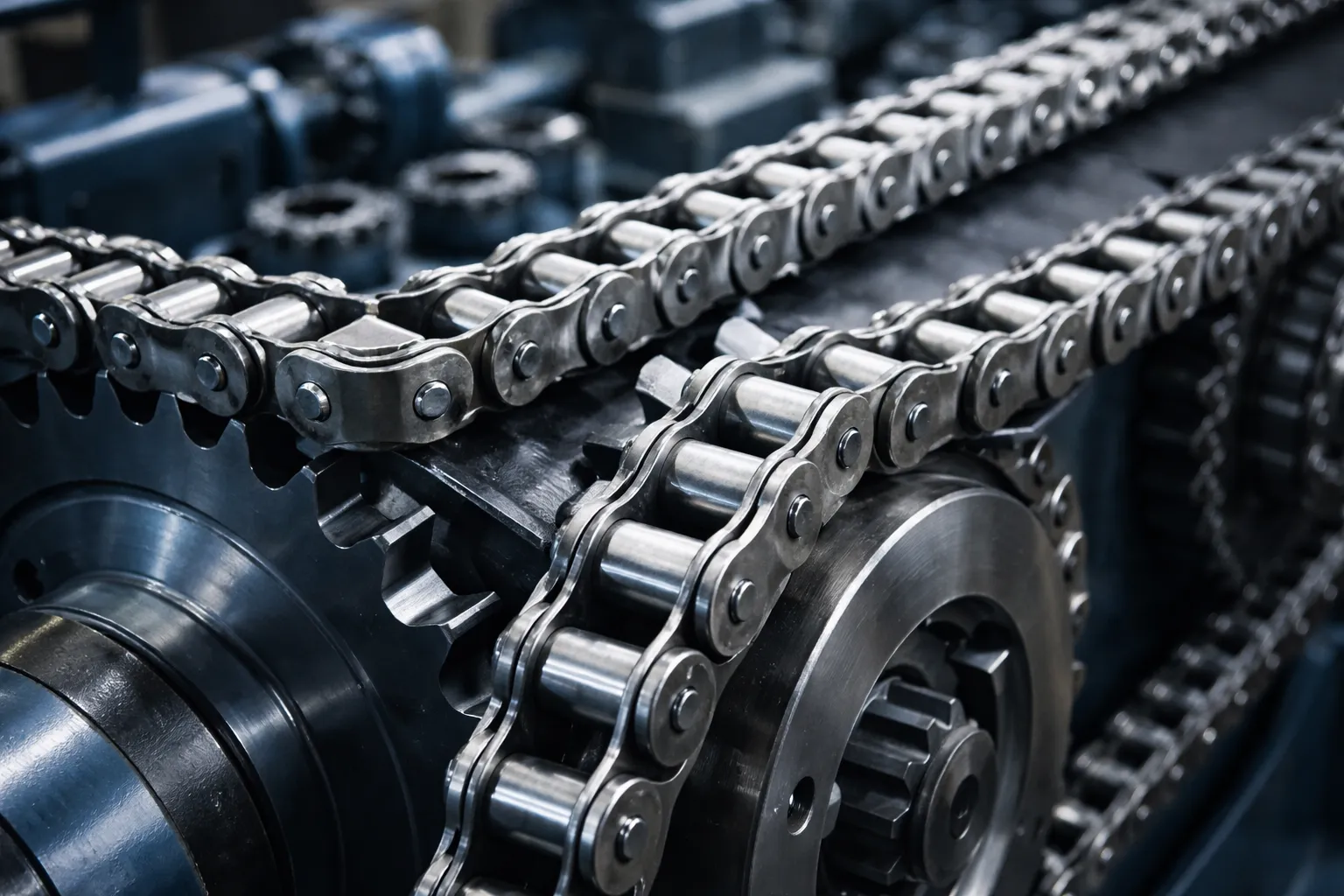
Roller chains are a major innovation in mechanical engineering, playing a crucial role in power transmission. They consist of a series of cylindrical rollers connected by side chains. This structure efficiently transfers energy between shafts, essential for a wide range of industrial applications, from conveyor systems to heavy machinery.
The invention of roller chains dates back to the late 19th century, when their structure was meticulously designed to withstand the harsh demands of industrial activity. Today, roller chains have evolved into a robust and durable system, with each component playing a key role in the overall function and reliability of machinery.
Roller chains primarily consist of three parts: inner links, outer links, and rollers. The inner link consists of two chain links and a pin, and the outer link also consists of two chain links, with the rollers positioned between them. This structure not only enhances the strength and durability of the chain but also reduces friction during operation, thus extending its service life.
Applications of Roller Chains in Industry
Roller chains are ubiquitously employed in various sectors. Their versatility makes them indispensable in applications such as:
1. Material Handling Systems
In warehouses and manufacturing plants, roller chains drive conveyor systems that transport goods from one location to another. The efficiency of these systems hinges on the reliability of roller chains, which can bear heavy loads while maintaining a seamless operation.
2. Agricultural Equipment
From combines to irrigation systems, roller chains are integral to agricultural machinery. They facilitate the movement of parts, ensuring that equipment functions optimally during critical farming seasons.
3. Automotive Applications
In the automotive industry, roller chains are utilized in timing mechanisms and drive systems. Their ability to transmit power effectively is crucial in maintaining engine performance and longevity.
4. Mining and Heavy Machinery
Heavy machinery in mining operations relies on roller chains for power transmission. The ability to endure extreme conditions and heavy loads makes them a preferred option in this sector.
Common Roller Chain Problems
Despite their robust design and widespread use, roller chains can encounter various issues that may compromise their performance. Understanding these problems is essential for maintaining optimal operational efficiency.
1. Chain Stretch
Chain stretch, also known as elongation, is a common phenomenon that occurs due to wear and tear over time. As the chain operates, the pins and bushings experience friction, leading to gradual elongation.
This elongation can result in misalignment, increasing the risk of derailment or failure. Regular inspections are crucial to identify this issue early. Adjusting the tension or replacing the chain altogether can mitigate the impact of chain stretch.
2. Misalignment
Misalignment can arise from improper installation or wear of components such as sprockets and bearings. This misalignment places undue stress on the chain, leading to accelerated wear and potential failure.
To address misalignment, it is essential to regularly check the alignment of sprockets and ensure that the chain is properly tensioned. Using alignment tools can facilitate accurate adjustments.
3. Insufficient Lubrication
Lubrication is vital for the longevity of roller chains. Insufficient lubrication can lead to increased friction, overheating, and ultimately chain failure.
Implementing a consistent lubrication schedule, utilizing appropriate lubricants, and ensuring that the lubrication reaches all components are critical steps in preventing this issue. Chain lubrication systems can automate this process, reducing the risk of human error.
4. Wear and Fatigue
Over time, the constant stress of operation can lead to wear and fatigue in roller chains. This degradation manifests as pitting, cracking, or broken components.
Regular inspections are essential to detect signs of wear. If the wear exceeds acceptable limits, timely replacement is necessary to prevent catastrophic failure.
5. Environmental Factors
Roller chains operating in harsh environments, such as those exposed to corrosive substances or extreme temperatures, can suffer from accelerated deterioration.
Implementing protective coatings, utilizing materials resistant to corrosion, and ensuring that the operating environment is as controlled as possible can help mitigate the effects of environmental factors on roller chains.
Preventative Measures for Roller Chain Longevity
To maximize the lifespan and reliability of roller chains, several preventative measures should be adopted.
1. Regular Maintenance
Establishing a routine maintenance schedule is paramount. This should include inspections for signs of wear, proper tensioning, and lubrication. Documenting maintenance activities can aid in identifying patterns that may indicate underlying issues.
2. Proper Installation Techniques
Ensuring that roller chains are installed correctly is essential. This includes verifying that sprockets are aligned, the correct chain length is used, and that the tension is appropriately set. Utilizing installation guides and best practices can prevent many common issues.
3. Selection of the Right Chain
Choosing the appropriate roller chain for a specific application is crucial. Factors such as load capacity, speed, and environmental conditions should influence the selection process. Consulting with manufacturers or industry experts can provide valuable insights into the most suitable options.
Identifying and Resolving Roller Chain Issues
When faced with roller chain problems, a systematic approach to identification and resolution is essential.
1. Conducting a Thorough Inspection
Initiating the troubleshooting process begins with a thorough inspection. Look for signs of wear, misalignment, and lubrication levels. Utilize visual and tactile methods to assess the chain’s condition.
2. Utilizing Diagnostic Tools
Employing diagnostic tools can enhance the inspection process. Tension meters, alignment tools, and wear gauges can provide quantitative data that simplifies the identification of issues.
3. Implementing Solutions
Once the problem is identified, implementing the appropriate solution is critical. Whether it involves adjusting tension, lubricating components, or replacing parts, prompt action can prevent larger issues from developing.
4. Continuous Monitoring
After addressing the problem, continuous monitoring is vital. Keep track of the chain’s performance post-repair and ensure that maintenance schedules are adhered to. Implementing monitoring systems can provide real-time data, allowing for proactive maintenance.
The Future of Roller Chains in Industry
As industries continue to evolve, the technology surrounding roller chains is also constantly advancing. Innovations in materials and design promise to improve their performance and lifespan.
With the application of smart technologies, roller chains may soon be equipped with sensors providing real-time data on their status, enabling predictive maintenance and reducing downtime. These technologies will revolutionize how businesses maintain and optimize roller chain performance.
In conclusion, understanding the complex structure of roller chains and the challenges they present is crucial for any industrial operation. A proactive maintenance approach, based on regular maintenance and informed decision-making, will ensure that roller chains continue to play a central role in power transmission across a wide range of applications.
Identifying and Solving Common Roller Chain Problems in Industrial Settings
Introduction to Roller Chains
Roller chains play a pivotal role in various industrial applications, serving as the backbone of power transmission systems. Their simplicity, efficiency, and reliability make them a popular choice in sectors ranging from manufacturing to agriculture. However, like any mechanical system, roller chains are susceptible to issues that can affect performance and longevity. Understanding these problems and their solutions is essential for maintaining optimal operational efficiency.
Common Problems Encountered with Roller Chains
Understanding the intricacies of roller chain issues requires a systematic approach. Below are some prevalent problems faced in industrial settings, alongside a case study that illustrates the identification and resolution of these challenges.
Case Study: The Conveyor Belt System
In a manufacturing facility, a conveyor belt system utilizes a roller chain to transport materials. The chain was initially installed with specific parameters: a tensile strength of 8,000 pounds, pitch of 1 inch, and a speed rating of 120 feet per minute. Initially, this system operated efficiently, but over time, several issues surfaced.
Data Comparison Pre- and Post-Installation
Prior to the installation of the roller chain, the plant used a different belt drive system with lower tensile strength, only 5,000 pounds. This system was prone to failure and required frequent component replacements. The switch to the roller chain aimed to improve the system’s durability and reliability. Data collected before installation showed:
– Downtime: The previous system averaged 12 hours of downtime per month due to failures.
– Maintenance Costs: Annual maintenance costs were approximately $15,000, primarily due to frequent component replacements.
After installing the roller chain, the plant’s initial downtime was significantly reduced to 4 hours per month, and annual maintenance costs decreased to $8,000. However, subsequent problems indicated the need for further analysis and corrective action.
Implementing Solutions
Having pinpointed the issues, the facility undertook a series of corrective actions to mitigate the problems and improve overall efficiency.
Enhanced Lubrication Practices
The first step was to revise the lubrication schedule. A more frequent lubrication routine was established, incorporating a high-quality lubricant specifically designed for roller chains. This change resulted in:
– Reduced friction and wear
– Lower operating temperatures
– Extended lifespan of the chain
Regular inspections were instituted to monitor lubricant levels and effectiveness.
Alignment Adjustments
Next, the team undertook an alignment check of the entire conveyor system. Utilizing laser alignment tools, they ensured the roller chain was perfectly aligned with the sprockets. The adjustments resulted in:
– Improved chain performance
– Decreased noise levels
– Enhanced load distribution across the chain
Consistent monitoring of alignment was introduced to prevent future issues.
Tension Optimization Techniques
To address the slippage issue, the facility implemented a tension optimization strategy. This involved:
– Regular tension checks using a tension gauge
– Adjusting the tension according to load variations
By maintaining the correct tension, the chain remained securely engaged with the sprockets, which minimized slippage and enhanced productivity.
Monitoring and Maintenance Protocols
With the corrective measures in place, the facility developed a comprehensive monitoring and maintenance protocol. This included:
– Daily visual inspections of the roller chain for signs of wear or misalignment
– Monthly lubrication checks and adjustments
– Quarterly tension assessments and realignment when necessary
Furthermore, operators were trained on the importance of these protocols, fostering a sense of ownership and responsibility towards the equipment.
The Importance of Proactive Measures
This case study illustrates the importance of proactive maintenance of roller chain systems. By identifying potential problems early and implementing effective solutions, the factory not only improved operational efficiency but also extended equipment lifespan.
In conclusion, roller chains are a reliable power transmission solution. However, to fully realize their advantages, it is essential to understand the common problems they face and establish a proactive maintenance culture to confront these challenges. Through close monitoring, timely intervention, and continuous training, industries can ensure their roller chain systems operate at optimal performance, thereby minimizing costs and maximizing productivity.
Identifying and Solving Common Roller Chain Problems in Industrial Settings
What is a Roller Chain?
Roller chains are a major innovation in mechanical engineering, playing a vital role in power transmission. They consist of a series of cylindrical rollers connected by side chains. This structure efficiently transfers energy between shafts, essential for a wide range of industrial applications, from conveyor systems to heavy machinery. The origins of roller chains can be traced back to the late 19th century, when their structure was meticulously designed to withstand the harsh demands of industrial activity. Today, roller chains have evolved into a robust and durable assembly, with each component playing a key role in the overall function and reliability of the machinery. Roller chains primarily consist of three parts: inner links, outer links, and rollers. The inner link consists of two chain plates and a pin, while the outer link also consists of two chain plates with the rollers positioned between them. This structure not only enhances the strength and durability of the chain but also reduces friction during operation, thus extending its service life.
Applications of Roller Chains in Industry
Roller chains are ubiquitously employed in various sectors. Their versatility makes them indispensable in applications such as:
1. Material Handling Systems
In warehouses and manufacturing plants, roller chains drive conveyor systems that transport goods from one location to another. The efficiency of these systems hinges on the reliability of roller chains, which can bear heavy loads while maintaining a seamless operation.
2. Agricultural Equipment
From combines to irrigation systems, roller chains are integral to agricultural machinery. They facilitate the movement of parts, ensuring that equipment functions optimally during critical farming seasons.
3. Automotive Applications
In the automotive industry, roller chains are utilized in timing mechanisms and drive systems. Their ability to transmit power effectively is crucial in maintaining engine performance and longevity.
4. Mining and Heavy Machinery
Heavy machinery in mining operations relies on roller chains for power transmission. The ability to endure extreme conditions and heavy loads makes them a preferred option in this sector.
Common Roller Chain Problems
Despite their robust design and widespread use, roller chains can encounter various issues that may compromise their performance. Understanding these problems is essential for maintaining optimal operational efficiency.
1. Chain Stretch
Chain stretch, also known as elongation, is a common phenomenon that occurs due to wear and tear over time. As the chain operates, the pins and bushings experience friction, leading to gradual elongation. This elongation can result in misalignment, increasing the risk of derailment or failure. Regular inspections are crucial to identify this issue early. Adjusting the tension or replacing the chain altogether can mitigate the impact of chain stretch.
2. Misalignment
Misalignment can arise from improper installation or wear of components such as sprockets and bearings. This misalignment places undue stress on the chain, leading to accelerated wear and potential failure. To address misalignment, it is essential to regularly check the alignment of sprockets and ensure that the chain is properly tensioned. Using alignment tools can facilitate accurate adjustments.
3. Insufficient Lubrication
Lubrication is vital for the longevity of roller chains. Insufficient lubrication can lead to increased friction, overheating, and ultimately chain failure. Implementing a consistent lubrication schedule, utilizing appropriate lubricants, and ensuring that the lubrication reaches all components are critical steps in preventing this issue. Chain lubrication systems can automate this process, reducing the risk of human error.
4. Wear and Fatigue
Over time, the constant stress of operation can lead to wear and fatigue in roller chains. This degradation manifests as pitting, cracking, or broken components. Regular inspections are essential to detect signs of wear. If the wear exceeds acceptable limits, timely replacement is necessary to prevent catastrophic failure.
5. Environmental Factors
Roller chains operating in harsh environments, such as those exposed to corrosive substances or extreme temperatures, can suffer from accelerated deterioration. Implementing protective coatings, utilizing materials resistant to corrosion, and ensuring that the operating environment is as controlled as possible can help mitigate the effects of environmental factors on roller chains.
Preventative Measures for Roller Chain Longevity
To maximize the lifespan and reliability of roller chains, several preventative measures should be adopted.

1. Regular Maintenance
Establishing a routine maintenance schedule is paramount. This should include inspections for signs of wear, proper tensioning, and lubrication. Documenting maintenance activities can aid in identifying patterns that may indicate underlying issues.
2. Proper Installation Techniques
Ensuring that roller chains are installed correctly is essential. This includes verifying that sprockets are aligned, the correct chain length is used, and that the tension is appropriately set. Utilizing installation guides and best practices can prevent many common issues.
3. Selection of the Right Chain
Choosing the appropriate roller chain for a specific application is crucial. Factors such as load capacity, speed, and environmental conditions should influence the selection process. Consulting with manufacturers or industry experts can provide valuable insights into the most suitable options.
Identifying and Resolving Roller Chain Issues
When faced with roller chain problems, a systematic approach to identification and resolution is essential.
1. Conducting a Thorough Inspection
Initiating the troubleshooting process begins with a thorough inspection. Look for signs of wear, misalignment, and lubrication levels. Utilize visual and tactile methods to assess the chain’s condition.
2. Utilizing Diagnostic Tools
Employing diagnostic tools can enhance the inspection process. Tension meters, alignment tools, and wear gauges can provide quantitative data that simplifies the identification of issues.
3. Implementing Solutions
Once the problem is identified, implementing the appropriate solution is critical. Whether it involves adjusting tension, lubricating components, or replacing parts, prompt action can prevent larger issues from developing.
4. Continuous Monitoring
After addressing the problem, continuous monitoring is vital. Keep track of the chain’s performance post-repair and ensure that maintenance schedules are adhered to. Implementing monitoring systems can provide real-time data, allowing for proactive maintenance.
Case Study: Roller Chain Performance Improvement in a Manufacturing Facility
At a large automotive parts manufacturing plant, management faced challenges with roller chain efficiency. Their existing roller chains were showing signs of wear, resulting in significant downtime. Frequent maintenance interruptions led to a 15% drop in production line output. To address this, they conducted a comprehensive analysis comparing the performance of standard roller chains with a new heavy-duty roller chain designed specifically for high-load environments.
Before the upgrade, operational metrics indicated that the standard roller chains needed replacement every six months, resulting in substantial labor costs and lost production time. The average load during peak production periods was 5,000 pounds, and the roller chains frequently operated under extreme conditions, exacerbating wear.
After implementing the heavy-duty roller chains, they monitored several key performance indicators. Initial testing showed that the new roller chains had a 30% increase in tensile strength, enabling them to withstand loads up to 6,500 pounds. This performance improvement provided a buffer against various stresses encountered during operation.
Data from the first quarter after installation showed a significant reduction in maintenance frequency, by up to 40%. Chain stretching and misalignment issues were significantly reduced, improving operational reliability. The factory saw a 20% increase in production efficiency, with the upgraded chain technology delivering a significant return on investment.
Furthermore, the new chain features a dedicated lubrication system, ensuring even lubricant distribution during operation. This proactive measure completely resolved the previous system’s insufficient lubrication issues. The factory adopted a new maintenance plan, focusing on routine inspections every two weeks to identify potential problems early. Ultimately, this not only extended chain lifespan but also reduced overall operating costs.
This case study clearly illustrates how targeted improvements to roller chain technology can significantly enhance the performance of industrial applications. By understanding the limitations of existing chains and investing in tailored solutions, the manufacturing plant successfully optimized operations, minimizing downtime and effectively controlling maintenance costs.
As industries continue to evolve, roller chain technology is also constantly advancing. Innovations in materials and design promise to improve performance and lifespan. With the application of smart technologies, roller chains may soon be equipped with sensors providing real-time data on their status, enabling predictive maintenance and reducing downtime. These technologies will revolutionize how businesses maintain and optimize roller chain performance. Understanding the complex structure of roller chains and the challenges they present is crucial for any industrial operation. A proactive maintenance approach, based on regular maintenance and informed decision-making, will ensure that roller chains continue to play a central role in power transmission across a wide range of applications.
Identifying and Solving Common Roller Chain Problems in Industrial Settings
Introduction to Roller Chains
Roller chains play a vital role in numerous industrial applications, serving as a fundamental component of power transmission systems. Their simple, efficient, and reliable design has led to their widespread use in manufacturing, agriculture, logistics, and other sectors. Despite their robustness and durability, roller chains still face various challenges that can impact their performance and shorten their lifespan. Therefore, understanding these potential problems and their corresponding solutions is crucial for maintaining optimal efficiency in industrial environments.
Common Problems Encountered with Roller Chains
A comprehensive understanding of roller chain issues necessitates a methodical examination. Below, we delve into typical challenges encountered in industrial settings, illustrated through a detailed case study that demonstrates both identification and resolution of these issues.
Case Study: The Conveyor Belt System
In a bustling manufacturing facility, a conveyor belt system incorporates a roller chain as a means to transport materials efficiently. The roller chain was initially installed based on specific operational parameters: a tensile strength of 8,000 pounds, a pitch of 1 inch, and a speed rating reaching up to 120 feet per minute. Initially, the system performed seamlessly, yet over time, various complications emerged.
Problem Identification
1. Excessive Wear: After several months of consistent operation, maintenance logs revealed an alarming increase in wear on the chain links. An evaluation determined that inadequate lubrication combined with misalignment was the primary cause.
2. Increased Noise Levels: Operators reported abnormal noise during conveyor operations, indicating potential misalignment or a lack of lubrication.
3. Slippage: Under heavy loads, the chain began to exhibit slippage, resulting in unexpected production delays. This prompted an urgent reassessment of the chain tensioning methods in use.
Data Comparison Pre- and Post-Installation
Prior to the installation of the roller chain, the facility relied on an alternative belt drive system characterized by a lower tensile strength of merely 5,000 pounds. This previous system was notorious for its frequent breakdowns, necessitating constant replacements that ultimately hindered productivity. Data collected before the introduction of the roller chain showed the following:
– Downtime: The former belt drive system experienced an average downtime of 12 hours per month due to operational failures.
– Maintenance Costs: The annual maintenance expenses approximated $15,000, driven primarily by the need for regular part replacements.
Upon installing the roller chain, the facility initially noted a significant reduction in downtime, dropping to just 4 hours per month, while maintenance costs also decreased to around $8,000 annually. However, the emergence of new challenges necessitated further analysis and intervention.
Root Cause Analysis
A meticulous investigation was conducted to ascertain the underlying causes of the newly surfaced problems. The findings were illuminating:
– Lack of Proper Lubrication: The established lubrication schedule was infrequent and insufficient, resulting in increased friction and wear on the chain.
– Misalignment Issues: The initial installation failed to adequately address alignment, leading to uneven wear patterns across the roller chain links.
– Tensioning Problems: The original tension settings were inadequate when faced with varying load conditions, culminating in chain slippage.
Implementing Solutions
Having identified the core issues, the facility initiated a series of corrective actions aimed at alleviating the problems and enhancing overall operational efficiency.
Enhanced Lubrication Practices
The first corrective measure involved overhauling the lubrication schedule. A revised, more frequent lubrication routine was established, utilizing a high-quality lubricant tailored specifically for roller chains. This adjustment yielded several benefits:
– Reduced friction and wear, thereby lessening the frequency of maintenance interventions.
– Lowered operating temperatures, which are critical in prolonging the lifespan of the chain.
– Extended operational life of the roller chain, reducing the need for replacement.
Regular inspections were instituted to monitor lubricant levels and ensure optimal effectiveness.
Alignment Adjustments
The next step was to perform a comprehensive alignment check across the entire conveyor system. Employing advanced laser alignment tools, technicians ensured that the roller chain was perfectly aligned with the sprockets. This meticulous adjustment resulted in:
– Enhanced chain performance, leading to a smoother operation.
– A notable decrease in noise levels, an essential factor for maintaining a conducive working environment.
– Improved load distribution across the chain, resulting in enhanced overall efficiency.
To prevent future misalignment issues, consistent monitoring practices were implemented.
Tension Optimization Techniques
To combat the issue of slippage, the facility adopted a tension optimization strategy. This multifaceted approach comprised:
– Regular tension assessments using a specialized tension gauge to ensure precise adjustments.
– A systematic adjustment protocol in response to variations in load, thereby maintaining optimal tension levels.
Maintaining the correct tension was crucial, as it ensured that the chain remained securely engaged with the sprockets, ultimately minimizing slippage and enhancing productivity.
Monitoring and Maintenance Protocols
With the corrective measures firmly in place, the facility devised a comprehensive monitoring and maintenance protocol. This regimen included:
– Daily visual inspections of the roller chain to identify signs of wear or misalignment.
– Monthly checks and adjustments of lubrication to maintain optimal performance.
– Quarterly tension assessments coupled with realignment when necessary.
Furthermore, operators received training on the significance of these protocols, fostering a culture of ownership and responsibility towards equipment maintenance.
Results Post-Implementation
In the ensuing six months following the implementation of these strategies, notable improvements were documented:
– Downtime Reduction: The average downtime further decreased to just 1 hour per month, a significant enhancement in operational reliability.
– Maintenance Costs: Annual maintenance costs were effectively halved, now totaling approximately $4,000. This financial relief was accompanied by fewer production delays, contributing to an overall increase in output.
The Importance of Proactive Measures
This case study vividly illustrates the importance of proactively maintaining roller chain systems. By identifying potential problems early and implementing effective solutions, the factory not only improved operational efficiency but also extended equipment lifespan. Roller chains remain a reliable power transmission solution; however, to fully realize their advantages, it is essential to understand the common challenges they face and to cultivate a proactive maintenance culture. Through close monitoring, timely intervention, and continuous training, industries can ensure their roller chain systems always operate at optimal performance, thereby minimizing costs and maximizing productivity.
Identifying and Solving Common Roller Chain Problems in Industrial Settings
What is a Roller Chain?
Roller chains are a major innovation in mechanical engineering, playing a vital role in power transmission. They consist of a series of cylindrical rollers connected by side chains. This structure efficiently transfers energy between shafts, essential for a wide range of industrial applications, from conveyor systems to heavy machinery. The origins of roller chains can be traced back to the late 19th century, when their structure was meticulously designed to withstand the harsh demands of industrial activity. Today, roller chains have evolved into a robust and durable assembly, with each component playing a key role in the overall function and reliability of the machinery. Roller chains primarily consist of three parts: inner links, outer links, and rollers. The inner link consists of two chain plates and a pin, while the outer link also consists of two chain plates with the rollers positioned between them. This structure not only enhances the strength and durability of the chain but also reduces friction during operation, thus extending its service life.
Applications of Roller Chains in Industry
Roller chains are ubiquitously employed in various sectors. Their versatility makes them indispensable in applications such as:
1. Material Handling Systems
In warehouses and manufacturing plants, roller chains drive conveyor systems that transport goods from one location to another. The efficiency of these systems hinges on the reliability of roller chains, which can bear heavy loads while maintaining a seamless operation.
2. Agricultural Equipment
From combines to irrigation systems, roller chains are integral to agricultural machinery. They facilitate the movement of parts, ensuring that equipment functions optimally during critical farming seasons.
3. Automotive Applications
In the automotive industry, roller chains are utilized in timing mechanisms and drive systems. Their ability to transmit power effectively is crucial in maintaining engine performance and longevity.
4. Mining and Heavy Machinery
Heavy machinery in mining operations relies on roller chains for power transmission. The ability to endure extreme conditions and heavy loads makes them a preferred option in this sector.
Common Roller Chain Problems
Despite their robust design and widespread use, roller chains can encounter various issues that may compromise their performance. Understanding these problems is essential for maintaining optimal operational efficiency.
1. Chain Stretch
Chain stretch, also known as elongation, is a common phenomenon that occurs due to wear and tear over time. As the chain operates, the pins and bushings experience friction, leading to gradual elongation. This elongation can result in misalignment, increasing the risk of derailment or failure. Regular inspections are crucial to identify this issue early. Adjusting the tension or replacing the chain altogether can mitigate the impact of chain stretch.
2. Misalignment
Misalignment can arise from improper installation or wear of components such as sprockets and bearings. This misalignment places undue stress on the chain, leading to accelerated wear and potential failure. To address misalignment, it is essential to regularly check the alignment of sprockets and ensure that the chain is properly tensioned. Using alignment tools can facilitate accurate adjustments.
3. Insufficient Lubrication
Lubrication is vital for the longevity of roller chains. Insufficient lubrication can lead to increased friction, overheating, and ultimately chain failure. Implementing a consistent lubrication schedule, utilizing appropriate lubricants, and ensuring that the lubrication reaches all components are critical steps in preventing this issue. Chain lubrication systems can automate this process, reducing the risk of human error.
4. Wear and Fatigue
Over time, the constant stress of operation can lead to wear and fatigue in roller chains. This degradation manifests as pitting, cracking, or broken components. Regular inspections are essential to detect signs of wear. If the wear exceeds acceptable limits, timely replacement is necessary to prevent catastrophic failure.
5. Environmental Factors
Roller chains operating in harsh environments, such as those exposed to corrosive substances or extreme temperatures, can suffer from accelerated deterioration. Implementing protective coatings, utilizing materials resistant to corrosion, and ensuring that the operating environment is as controlled as possible can help mitigate the effects of environmental factors on roller chains.
Preventative Measures for Roller Chain Longevity
To maximize the lifespan and reliability of roller chains, several preventative measures should be adopted.
1. Regular Maintenance
Establishing a routine maintenance schedule is paramount. This should include inspections for signs of wear, proper tensioning, and lubrication. Documenting maintenance activities can aid in identifying patterns that may indicate underlying issues.
2. Proper Installation Techniques
Ensuring that roller chains are installed correctly is essential. This includes verifying that sprockets are aligned, the correct chain length is used, and that the tension is appropriately set. Utilizing installation guides and best practices can prevent many common issues.
3. Selection of the Right Chain
Choosing the appropriate roller chain for a specific application is crucial. Factors such as load capacity, speed, and environmental conditions should influence the selection process. Consulting with manufacturers or industry experts can provide valuable insights into the most suitable options.
Identifying and Resolving Roller Chain Issues
When faced with roller chain problems, a systematic approach to identification and resolution is essential.
1. Conducting a Thorough Inspection
Initiating the troubleshooting process begins with a thorough inspection. Look for signs of wear, misalignment, and lubrication levels. Utilize visual and tactile methods to assess the chain’s condition.
2. Utilizing Diagnostic Tools
Employing diagnostic tools can enhance the inspection process. Tension meters, alignment tools, and wear gauges can provide quantitative data that simplifies the identification of issues.
3. Implementing Solutions
Once the problem is identified, implementing the appropriate solution is critical. Whether it involves adjusting tension, lubricating components, or replacing parts, prompt action can prevent larger issues from developing.
4. Continuous Monitoring
After addressing the problem, continuous monitoring is vital. Keep track of the chain’s performance post-repair and ensure that maintenance schedules are adhered to. Implementing monitoring systems can provide real-time data, allowing for proactive maintenance.
Case Study: Roller Chain Performance Improvement in a Manufacturing Facility
At a large automotive parts manufacturing plant, management had been facing the challenge of inefficient roller chains. Their existing roller chains were showing signs of wear, leading to significant downtime. Frequent maintenance interruptions resulted in a 15% drop in production line output. To address this issue, they conducted a comprehensive analysis comparing the performance of standard roller chains with a new heavy-duty roller chain designed specifically for high-load environments. Before the upgrade, operational metrics indicated that the standard roller chains needed to be replaced every six months, resulting in substantial labor costs and lost production time. The average load during peak production periods was 5,000 pounds, and the roller chains frequently operated under extreme conditions, exacerbating wear.
After the heavy-duty roller chains were implemented, they monitored several key performance indicators. Initial testing showed that the tensile strength of these new roller chains was increased by 30%, enabling them to withstand loads up to 6,500 pounds. This performance improvement provided a buffer against various stresses encountered during operation. In the first quarter after installation, data showed a significant reduction in maintenance frequency, decreasing by 40%. Chain stretching and misalignment issues were significantly reduced, improving operational reliability. The factory saw a 20% increase in production efficiency, with the upgraded chain technology delivering a significant return on investment.
Furthermore, the new chain features a dedicated lubrication system, ensuring even lubricant distribution during operation. This proactive measure eliminated previous issues with insufficient lubrication. The factory adopted a new maintenance plan, focusing on routine inspections every two weeks to identify potential problems early.
Ultimately, this not only extended chain lifespan but also reduced overall operating costs. This case study demonstrates that targeted improvements to roller chain technology can significantly enhance the performance of industrial applications. By understanding the limitations of existing chains and investing in tailored solutions, the manufacturing plant successfully optimized operations, minimizing downtime and effectively controlling maintenance costs.
As the industry continues to evolve, roller chain technology is also advancing. Innovations in materials and design promise to improve performance and extend lifespan. With the application of smart technologies, roller chains may soon be equipped with sensors providing real-time status data, enabling predictive maintenance and reducing downtime. These technologies will revolutionize how businesses maintain and optimize roller chains. Understanding the complex structure of roller chains and the challenges they present is crucial for any industrial operation. A proactive approach, based on regular maintenance and informed decision-making, will ensure that roller chains continue to play a central role in power transmission across a wide range of applications.
edit by gzl