What is a Roller Chain?
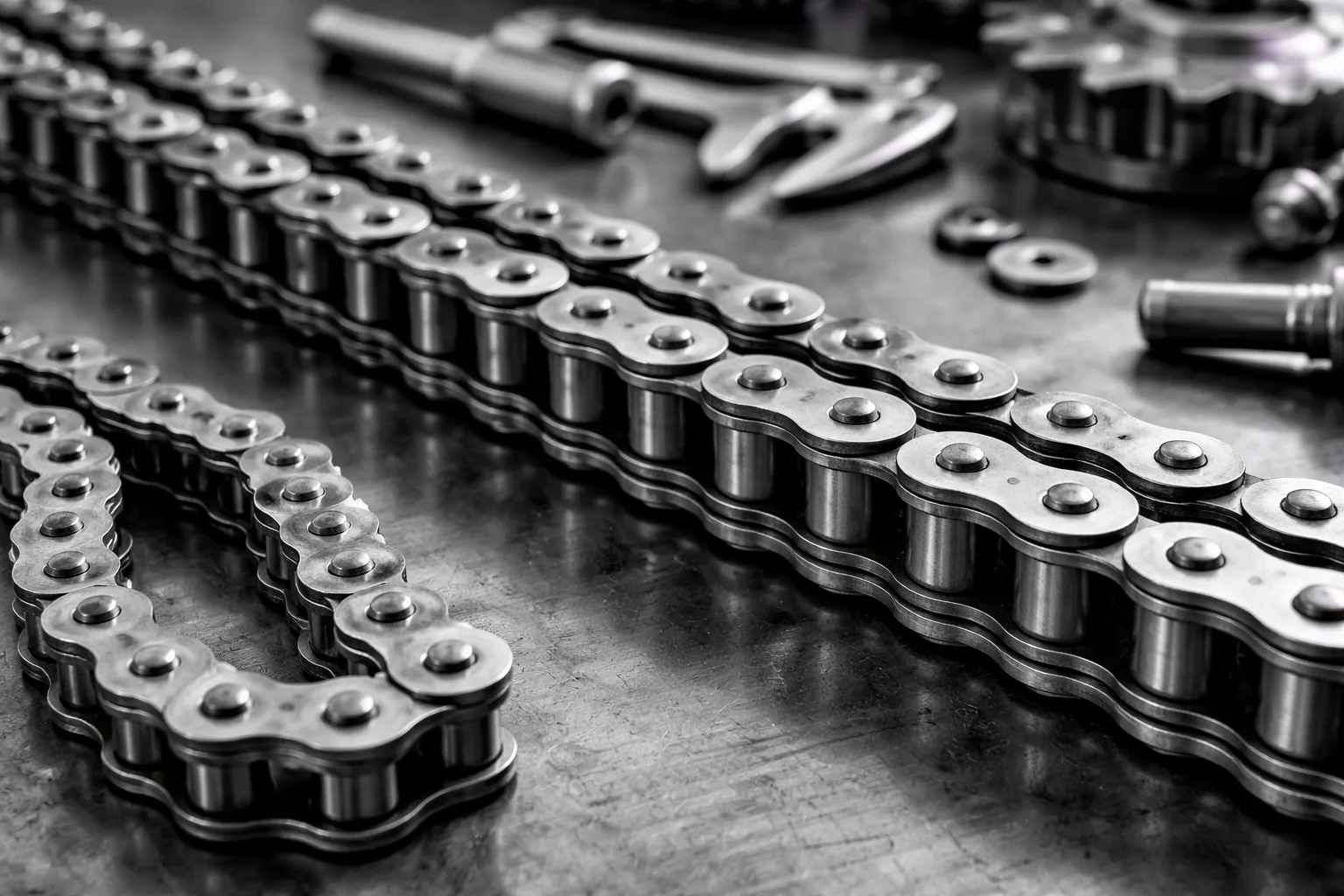
Roller chains are indispensable components in many industrial applications, especially in manufacturing. They are a reliable and efficient means of power transmission used to transfer power between rotating shafts. Understanding the mechanics and applications of roller chains is not only beneficial but also crucial for optimizing the performance of various machines.
Historical Context and Evolution
The origins of roller chains can be traced back to the early 19th century. At that time, engineers made a highly innovative breakthrough in developing a robust and durable power transmission mechanism. Initially, chains were made of iron, but as the demand for higher efficiency and greater durability grew, manufacturers began using steel. The introduction of heat treatment techniques further improved the strength and fatigue resistance of the chains, thus laying the foundation for the development of modern roller chain technology.
Components of Roller Chains
To comprehend roller chains thoroughly, one must dissect their fundamental components.
Links
Each roller chain is composed of a series of interconnected links. These links are the backbone of the chain, providing the necessary strength and flexibility. The design of the links can vary, with options including inner and outer links. The inner links house the rollers that facilitate movement over sprockets, while the outer links connect to adjacent inner links.
Rollers
The rollers undergo significant engineering to ensure smooth rotation and minimal friction. Typically made from hardened steel, the rollers are designed to fit precisely over the sprocket teeth, allowing for efficient power transfer. The quality of roller production directly impacts the durability and operational efficiency of the chain.
Sprockets
Sprockets are essential counterparts to roller chains. These toothed wheels engage with the rollers to facilitate motion. The correct alignment and sizing of sprockets relative to the roller chain are crucial to prevent wear and ensure optimal performance.
Pin and Bushings
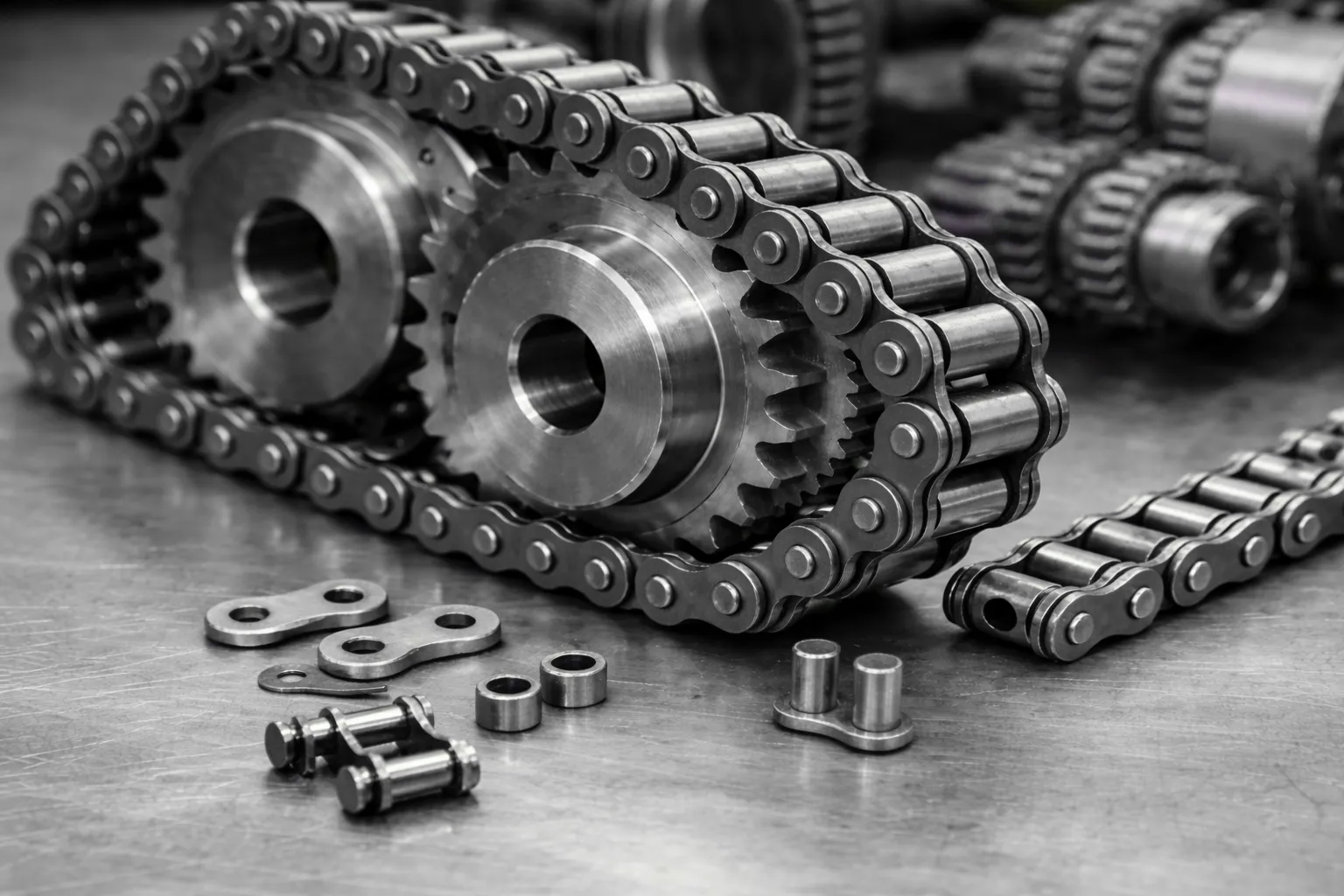
Pins and bushings also play pivotal roles in the functionality of roller chains. Pins connect the links, while bushings serve as pivot points for the rollers. The interplay of these components ensures that the chain operates smoothly under various loads and conditions.
Types of Roller Chains
There exists a diverse array of roller chains designed to meet specific industrial needs.
Standard Roller Chains
Standard roller chains are the most widely used type, suitable for general applications where speed and load requirements are moderate. Their simplistic design offers ease of use and maintenance, making them a go-to choice for many manufacturing processes.
Heavy-Duty Roller Chains
For applications requiring heightened durability, heavy-duty roller chains are engineered to withstand extreme loads and harsh environments. The materials utilized in their production often exhibit enhanced resistance to wear and corrosion.
Stainless Steel Roller Chains
Stainless steel roller chains are designed for environments where hygiene is paramount, such as food processing and pharmaceuticals. Their corrosion-resistant properties ensure extended service life in moist conditions.
Advantages of Roller Chains
The advantages of utilizing roller chains in manufacturing are manifold.
Durability
Roller chains are renowned for their durability. When properly maintained, they can operate efficiently over extended periods, thereby reducing the frequency of replacements and associated downtime. This longevity translates to cost savings in the long run.
Efficiency
Roller chains provide a mechanically efficient method of power transmission. Their design minimizes energy loss due to friction, making them an ideal choice for applications requiring high torque and speed.
Versatility
The versatility of roller chains is noteworthy. They can be employed in a variety of configurations and can accommodate different types of loads, making them suitable for industries ranging from automotive to agriculture.
Low Maintenance
Compared to other power transmission systems, roller chains require less maintenance. Regular lubrication and inspection can sustain their performance, thereby minimizing operational disruptions.
Applications of Roller Chains
The applications of roller chains span numerous industries, showcasing their adaptability and reliability.
Manufacturing
In the manufacturing sector, roller chains are ubiquitous. They facilitate the motion of conveyor systems, power machinery, and even assembly lines, thus streamlining processes and enhancing productivity.
Agriculture
Agricultural machinery such as tractors and harvesters often utilize roller chains. Their ability to operate efficiently in rugged outdoor conditions makes them indispensable for modern farming practices.
Automotive
In automotive applications, roller chains are employed in timing systems and drive trains. Their precision in power transmission is crucial for maintaining the performance and efficiency of vehicles.
Challenges and Considerations
Despite their numerous advantages, roller chains come with certain challenges that manufacturers must address.
Wear and Fatigue
Over time, roller chains can suffer from wear and fatigue, particularly under excessive loads. Regular inspections and timely replacements are necessary to mitigate the risks associated with chain failure.
Environmental Factors
Environmental conditions such as temperature and moisture levels can significantly affect roller chain performance. Understanding the specific operational environment aids in selecting the appropriate chain type and material.
Lubrication
Proper lubrication is essential for maintaining the functionality and longevity of roller chains. The choice of lubricant and application frequency can directly influence chain performance and wear rates.
Future Trends in Roller Chain Technology
As technology continues to evolve, so too does the landscape of roller chain manufacturing. Innovations in materials science and engineering are paving the way for advanced roller chain technologies.
Smart Chains
The advent of smart technology is making its way into roller chain applications. Sensors embedded within the chains can monitor wear and performance in real-time, providing valuable data for maintenance and operational efficiency.
Enhanced Materials
Research into advanced materials promises to yield roller chains that are lighter, stronger, and more resistant to environmental influences. This evolution will further expand the applicability of roller chains across diverse sectors.
Customization
The growing trend towards customization enables manufacturers to design roller chains tailored to specific applications. This customization approach ensures optimal performance and efficiency, meeting the unique needs of various industries.
Roller chains are fundamental components in modern manufacturing machinery. Their design, applications, and advantages make them a driving force for industry transformation. A deeper understanding of their complexity not only improves performance but also paves the way for innovation in future power transmission technologies.
Advanced Roller Chain Technologies: A Game Changer for Manufacturing
Introduction to Roller Chain Technology
The manufacturing industry has witnessed exponential technological advancements, with roller chains playing a crucial role in improving the efficiency and reliability of mechanical systems. Once considered a basic component, roller chains have evolved into highly engineered systems, significantly enhancing operational performance across various industries. The emergence of advanced roller chain technology signifies a paradigm shift in manufacturing, where precision, durability, and efficiency have become paramount.
Understanding Traditional Roller Chains
Before delving into new technologies, it’s crucial to understand the fundamental principles of traditional roller chains. These chains, typically made of steel, consist of a series of interconnected links and are used to transmit power between rotating shafts. The efficiency of these chains generally depends on factors such as material strength, link design, and lubrication methods.
Limitations of traditional roller chains typically manifest as wear, energy loss, and maintenance challenges. Comparative analyses of traditional roller chains show that their performance declines over time, leading to frequent replacements and prolonged downtime.
Case Study: Traditional Roller Chain Performance
In a manufacturing facility specializing in heavy machinery, traditional roller chains were employed for a conveyor system. The system operated under high loads and encountered significant friction, leading to inefficiencies. Over a six-month period, data collected indicated:
– Chain elongation: 15% increase
– Downtime due to maintenance: 120 hours
– Average energy consumption per cycle: 500 kWh
These metrics illustrate the inherent challenges of using traditional roller chains, highlighting the urgency for innovation.
Introducing Advanced Roller Chain Technologies
By incorporating advanced technologies into roller chain design, high-performance chains have been created. These innovations include the use of specialty materials, optimized link geometry, and precision manufacturing processes. These advancements not only overcome the shortcomings of traditional chains but also open up new potential for applications in harsh environments.
Material Innovations
A significant advancement in advanced roller chain technology is the application of high-performance materials. Manufacturers are increasingly using alloys and polymers specifically designed to enhance strength and durability. These materials offer superior wear resistance, corrosion resistance, and fatigue resistance.
For example, chains made from high-carbon alloys exhibit 30% higher tensile strength compared to conventional steel chains. Furthermore, the introduction of polymer-based components reduces the coefficient of friction, thereby lowering energy consumption and extending service life.
Precision Engineering Techniques
Precision engineering has revolutionized the manufacturing of roller chains. Advanced machining technologies such as laser cutting and CNC milling enable manufacturers to produce components with precise dimensions. Tight tolerances ensure seamless connection of each link, minimizing energy loss and maximizing overall efficiency.
This high precision is also reflected in the chain’s surface treatment. Advanced coatings such as nitriding and chrome plating enhance wear resistance and reduce the need for lubrication. These innovations have been proven to extend chain life by up to 50%.
Performance Metrics of Advanced Roller Chains
To illustrate the effectiveness of advanced roller chains, we revisit the case study of the manufacturing facility that was previously using traditional chains.
After transitioning to advanced roller chains, the following metrics were recorded over a similar six-month operational period:
– Chain elongation: 2% increase
– Downtime due to maintenance: 20 hours
– Average energy consumption per cycle: 350 kWh
The contrast between the traditional and advanced roller chain performance is striking. The enhancements in material properties and manufacturing precision have resulted in significant reductions in wear, maintenance, and energy consumption.
Long-Term Benefits of Advanced Roller Chains
The transition to advanced roller chains is not merely a short-term fix; it represents a strategic investment in the future of manufacturing operations. The long-term benefits can be categorized into several key areas:
Operational Efficiency
With reduced energy consumption and enhanced durability, manufacturers can achieve higher levels of operational efficiency. This translates to lower overhead costs and increased competitiveness in the market.
Reduced Maintenance Intervals
The superior durability of advanced roller chains significantly reduces the frequency of maintenance checks and interventions. This not only saves labor costs but also minimizes production downtime, allowing for smoother operations.
Environmental Impact
Reducing energy consumption helps decrease carbon footprint. As industries strive for sustainability, adopting advanced roller chains aligns with environmental goals and helps drive more responsible production practices.
In short, the evolution of roller chain technology represents a key advancement in manufacturing. Through innovation in materials science, precision engineering, and customized solutions, manufacturers can significantly improve operational capabilities. Comparative data on traditional and advanced roller chain applications clearly demonstrate its advantages, paving the way for a more efficient and sustainable future for manufacturing.
Case Study: Implementing Roller Chains in a Manufacturing Facility
Roller chains are indispensable components in various industrial equipment, especially in manufacturing plants with extremely high requirements for precision and reliability. This case study explores the application of roller chains in a medium-sized automotive parts manufacturing plant, detailing the transition from traditional belt drive systems to modern roller chain drive mechanisms.
Initial Setup and Challenges
The manufacturing plant initially used a belt drive system for power transmission. While this solution was fully functional, it presented several challenges that hampered operational efficiency. The main problems were frequent maintenance, high operating costs due to energy consumption, and difficulty in flexibly adapting to different load capacities. Plant management decided to explore using roller chains as an alternative to improve production efficiency and reduce downtime.
Implementing Roller Chains
The transition to roller chains involved meticulous planning and execution. The management collaborated with a reputable roller chain manufacturer to identify suitable products tailored to their specific needs.
Long-Term Performance and Results
As the months progressed, the facility continued to monitor the performance of the roller chain system. The following results were observed:
Maintenance and Downtime
The roller chain significantly reduced maintenance requirements. The new system only necessitated monthly inspections, resulting in an average downtime of just 5 hours per month. This represented a staggering decrease of 25 hours compared to the belt drive system.
Production Efficiency
The increased load capacity enabled the facility to scale production without the need for additional machinery. Output increased by 20%, allowing the plant to meet rising demand without incurring extra costs. The ability to operate at higher speeds and efficiencies further contributed to enhanced productivity levels.
Cost-Benefit Analysis
A comprehensive cost-benefit analysis conducted six months after implementation revealed significant financial advantages. The initial investment in the roller chain system was recovered within the first year through reduced maintenance costs, energy savings, and increased productivity.
The overall financial impact strongly justifies the adoption of roller chains.
This case study vividly demonstrates the transformative impact of implementing roller chains in a manufacturing environment. By addressing the inefficiencies of the original belt drive system, the factory not only improved its operational metrics but also laid the foundation for future growth and adaptation to change in a competitive market. The insights gained from this transformation underscore the importance of selecting power transmission solutions tailored to the specific needs of an industry. Roller chains, with their durability, efficiency, and adaptability, have become an ideal choice for modern manufacturing applications.
Advanced Roller Chain Technologies: A Game Changer for Manufacturing
Introduction to Roller Chain Technology
The manufacturing industry has witnessed exponential technological advancements, with roller chains playing a crucial role in improving the efficiency and reliability of mechanical systems. Once considered a basic component, roller chains have evolved into highly engineered systems, significantly enhancing operational performance across various industries. The emergence of advanced roller chain technology signifies a paradigm shift in manufacturing, where precision, durability, and efficiency have become paramount.
Understanding Traditional Roller Chains
Before delving into the latest developments, it’s essential to understand the fundamental principles of traditional roller chains. These chains, typically made of steel, consist of a series of interconnected links used to transmit power between rotating shafts. The efficiency of these chains generally depends on factors such as material strength, link design, and lubrication methods. The limitations of traditional roller chains typically manifest as wear, energy loss, and maintenance challenges. Comparative analyses of traditional roller chains show that their performance declines over time, leading to frequent replacements and prolonged downtime.
Case Study: Traditional Roller Chain Performance
In a manufacturing facility specializing in heavy machinery, traditional roller chains were employed for a conveyor system. The system operated under high loads and encountered significant friction, leading to inefficiencies. Over a six-month period, data collected indicated:
– Chain elongation: 15% increase
– Downtime due to maintenance: 120 hours
– Average energy consumption per cycle: 500 kWh
These metrics illustrate the inherent challenges of using traditional roller chains, highlighting the urgency for innovation.
Introducing Advanced Roller Chain Technologies
By incorporating advanced technologies into roller chain design, high-performance chains have been created. These innovations include the use of specialty materials, optimized link geometry, and precision manufacturing processes. These advancements not only overcome the shortcomings of traditional chains but also open up new potential for applications in harsh environments.
Material Innovations
A significant advancement in advanced roller chain technology is the application of high-performance materials. Manufacturers are increasingly using alloys and polymers specifically designed to enhance strength and durability. These materials offer superior wear resistance, corrosion resistance, and fatigue resistance. For example, chains made from high-carbon alloys exhibit 30% higher tensile strength compared to conventional steel chains. Furthermore, the introduction of polymer-based components reduces the coefficient of friction, thereby lowering energy consumption and extending service life.
Precision Engineering Techniques
Precision engineering has revolutionized the manufacturing of roller chains. Advanced machining technologies such as laser cutting and computer numerical control (CNC) milling enable manufacturers to produce components with precise dimensions. Tight tolerances ensure seamless connection of each link, minimizing energy loss and maximizing overall efficiency. This high precision is also reflected in the chain’s surface finish. Advanced coatings such as nitriding and chrome plating enhance wear resistance and reduce the need for lubrication. These innovations have been proven to extend chain life by up to 50%.
Performance Metrics of Advanced Roller Chains
To illustrate the effectiveness of advanced roller chains, we revisit the case study of the manufacturing facility that was previously using traditional chains. After transitioning to advanced roller chains, the following metrics were recorded over a similar six-month operational period:
– Chain elongation: 2% increase
– Downtime due to maintenance: 20 hours
– Average energy consumption per cycle: 350 kWh
The contrast between the traditional and advanced roller chain performance is striking. The enhancements in material properties and manufacturing precision have resulted in significant reductions in wear, maintenance, and energy consumption.
Case Analysis: Advanced Chain Application
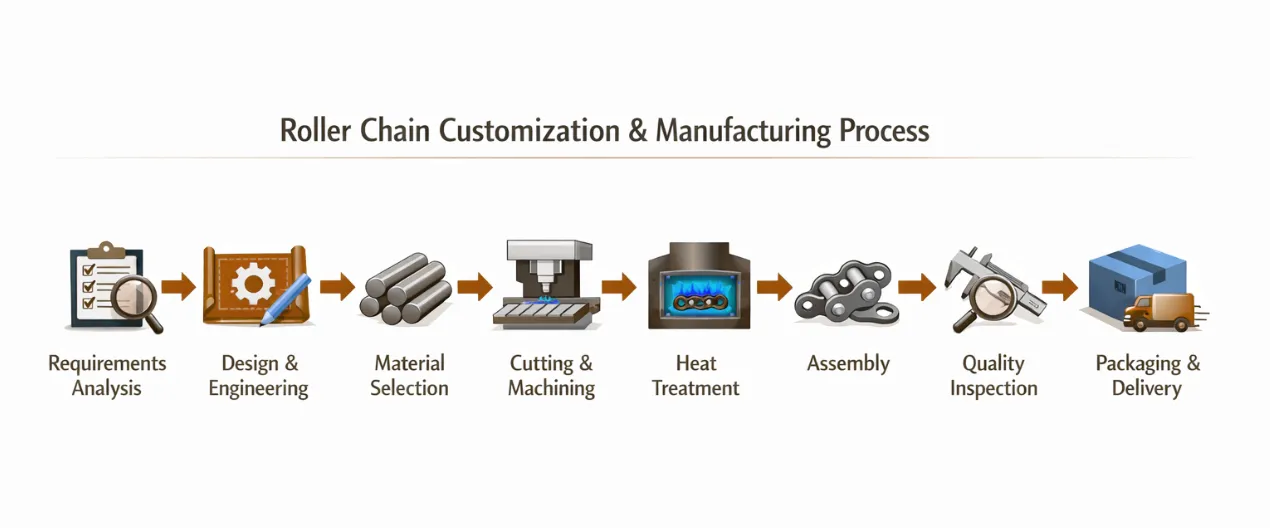
In the same facility, the installation of advanced roller chains was meticulously planned. The replacement process involved a comprehensive assessment of the existing conveyor system, identifying critical areas where the new technology could yield substantial benefits. The installation team undertook the following steps:
1. Pre-Installation Assessment: Conducted a thorough evaluation of existing systems, identifying load specifications and operational speeds.
2. Customized Chain Design: Collaborated with engineers to design a chain specifically tailored to the demands of the heavy machinery conveyor.
3. Seamless Installation: Ensured minimal disruption to ongoing operations while replacing traditional chains with advanced versions.
4. Post-Installation Testing: Implemented rigorous testing to validate performance metrics, including load testing and efficiency assessments.
The results confirmed that the advanced roller chains not only met but exceeded expected performance levels, with operational synergy enhancing overall productivity.
Long-Term Benefits of Advanced Roller Chains
The transition to advanced roller chains is not merely a short-term fix; it represents a strategic investment in the future of manufacturing operations. The long-term benefits can be categorized into several key areas:
Operational Efficiency
With reduced energy consumption and enhanced durability, manufacturers can achieve higher levels of operational efficiency. This translates to lower overhead costs and increased competitiveness in the market.
Reduced Maintenance Intervals
The superior durability of advanced roller chains significantly reduces the frequency of maintenance checks and interventions. This not only saves labor costs but also minimizes production downtime, allowing for smoother operations.
Environmental Impact
Reducing energy consumption helps reduce carbon emissions. As industries strive for sustainability, adopting advanced roller chains aligns with environmental goals and helps promote more responsible production practices.
Case Study: Implementing Roller Chains in a Manufacturing Facility
Roller chains are indispensable components in various industrial equipment, especially in manufacturing plants with extremely high requirements for precision and reliability. This case study explores the application of roller chains in a medium-sized automotive parts manufacturing plant, detailing the transition from traditional belt drive systems to modern roller chain drive mechanisms.
Initial Setup and Challenges
The manufacturing plant initially used a belt drive system for power transmission. While this solution was fully functional, it presented several challenges that hampered operational efficiency. The main problems were frequent maintenance, high operating costs due to energy consumption, and difficulty in flexibly adapting to different load capacities. Plant management decided to explore using roller chains as an alternative to improve production efficiency and reduce downtime.
Data Analysis Prior to Implementation
Before implementing roller chains, the plant’s management conducted a comprehensive analysis of the existing system. The following data points were collected:
– Maintenance Frequency: The belt drive system required maintenance every two weeks, leading to an average downtime of 30 hours monthly.
– Operational Costs: The monthly energy costs for running the belt system averaged $5,000, attributed to inefficiencies inherent in the design.
– Load Capacity: The maximum load capacity of the belt system was limited to 1,500 pounds, which constrained production scalability.
These figures painted a clear picture of the inefficiencies within the current system and underscored the necessity for a robust alternative.
Implementing Roller Chains
The transition to roller chains involved meticulous planning and execution. The management collaborated with a reputable roller chain manufacturer to identify suitable products tailored to their specific needs.
Selecting the Right Roller Chain
After evaluating several options, the team chose a heavy-duty roller chain designed to withstand high loads and provide enhanced durability. Key specifications included:
– Material: The chosen roller chain was constructed from high-carbon steel, treated for increased fatigue resistance.
– Load Capacity: The new roller chain boasted a maximum load capacity of 3,000 pounds, offering the ability to handle double the load compared to the previous system.
– Efficiency Rating: The roller chain was rated for an efficiency of 98%, significantly reducing energy losses during operation.
These specifications promised to address the limitations observed in the belt drive system.
Installation Process
The installation of the roller chain system was executed over a weekend to minimize production disruptions. The process involved several steps:
1. Removing the Old System: The existing belt drive components were extracted, ensuring all connections and supports were appropriately dismantled.
2. Preparing the Framework: The support structure for the new roller chain was reinforced to accommodate the increased load capacity.
3. Installing Sprockets: Custom sprockets were installed to align precisely with the new roller chain, ensuring optimal engagement and performance.
4. Fitting the Roller Chain: The roller chain was meticulously threaded through the sprockets, and tension adjustments were made to achieve the manufacturer’s recommended specifications.
Initial Testing and Adjustments
Following installation, a series of tests were conducted to evaluate the performance of the new roller chain system. The testing phase included:
– Load Tests: The system was subjected to varying loads, ranging from 1,000 to 3,000 pounds. The roller chain operated seamlessly, demonstrating no signs of slippage or failure.
– Energy Consumption Monitoring: Energy consumption was monitored over the first month of operation. The facility recorded a reduction of roughly 30% in energy costs, translating to approximately $3,500 in monthly savings.
These initial tests showcased the roller chain’s superior performance compared to the previous system.
Long-Term Performance and Results
As the months progressed, the facility continued to monitor the performance of the roller chain system. The following results were observed:
Maintenance and Downtime
The roller chain significantly reduced maintenance requirements. The new system only necessitated monthly inspections, resulting in an average downtime of just 5 hours per month. This represented a staggering decrease of 25 hours compared to the belt drive system.
Production Efficiency
The increased load capacity enabled the facility to scale production without the need for additional machinery. Output increased by 20%, allowing the plant to meet rising demand without incurring extra costs. The ability to operate at higher speeds and efficiencies further contributed to enhanced productivity levels.
Cost-Benefit Analysis
A comprehensive cost-benefit analysis conducted six months after implementation showed that the system had significant economic benefits. By reducing maintenance costs, saving energy, and increasing production efficiency, the initial investment in the roller chain system was recovered in the first year.
1. Initial Investment: $20,000 for roller chain and installation.
2. Annual Maintenance: Reduced from $60,000 to $6,000.
3. Energy Savings: Annual savings of $42,000.
4. Increased Revenue: Projected additional revenue of $100,000 from increased production capacity.
The overall financial impact illustrated a compelling case for the transition to roller chains.
edit by gzl