What is a Roller Chain?
Introduction to Roller Chains
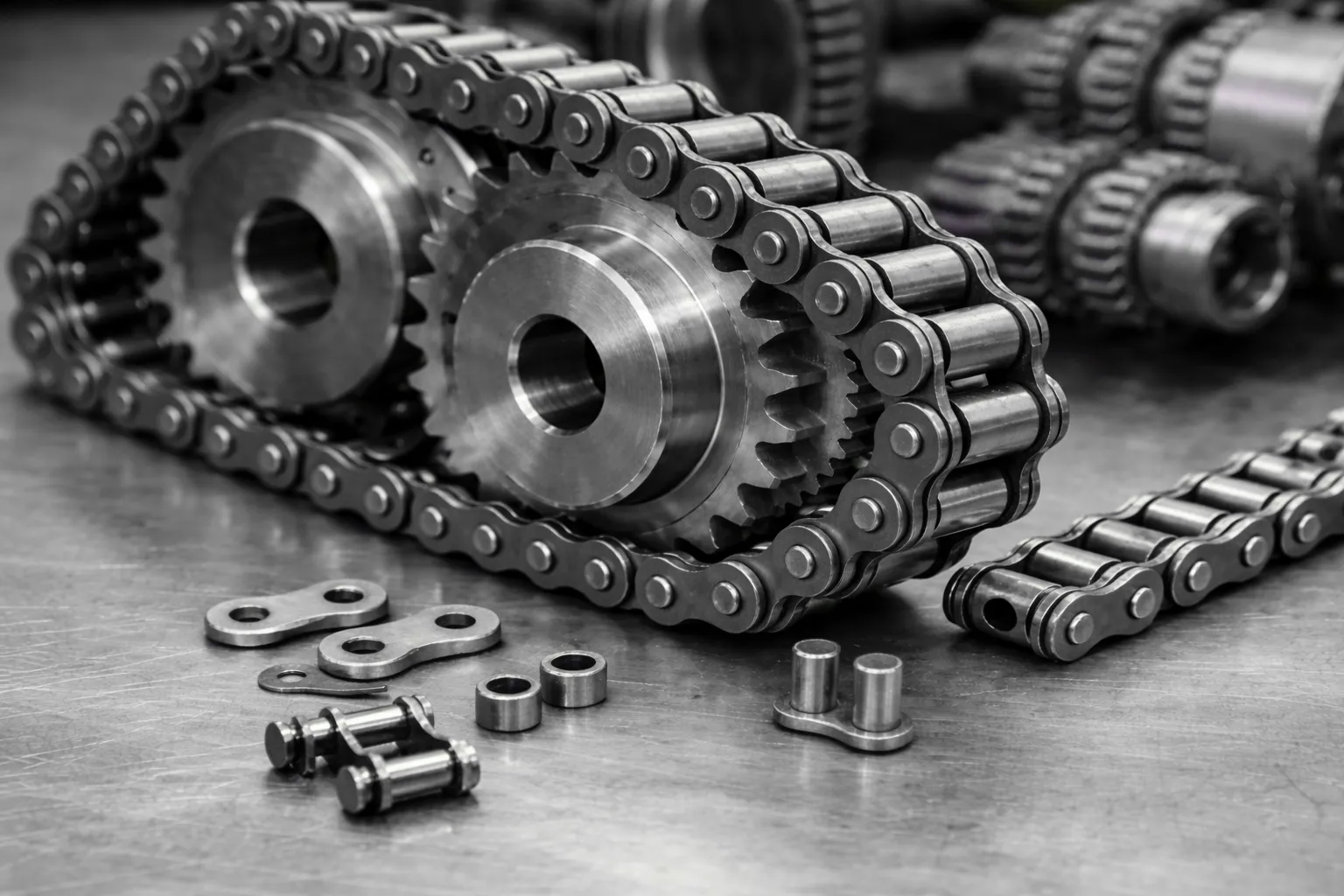
Roller chains, often referred to as power transmission chains, serve as an integral component in various mechanical systems, primarily for transferring power between two shafts. They are widely utilized in industries ranging from manufacturing to agriculture, adapting to the diverse demands of modern machinery. The fundamental design consists of a series of interconnected links, typically made from high-strength steel, which enables them to efficiently transmit energy from one point to another. The simplicity of the roller chain’s design belies its critical role in enhancing operational efficiency.
Components of a Roller Chain
Understanding the anatomy of a roller chain is vital for grasping its functional capabilities. Each component contributes to the overall efficiency and reliability of the chain.
Links
The primary components of a roller chain are its links. Each link consists of inner and outer link plates that are connected by pins and bushings, forming a robust unit. The inner links usually accommodate the rollers, which engage with the sprockets. The configuration of these links determines the chain’s load-bearing capacity and flexibility.
Rollers
Rollers are cylindrical components that reduce friction and facilitate smooth movement along the sprocket teeth. The precision engineering of rollers plays a significant role in minimizing wear and tear, thus extending the lifespan of both the chain and the associated machinery.
Sprockets
Sprockets are toothed wheels that drive the roller chain. Their teeth engage with the rollers, allowing for effective power transmission. The size and pitch of the sprocket teeth must align with the dimensions of the roller chain to ensure seamless operation.
Types of Roller Chains
Various types of roller chains exist, each tailored for specific applications. A comprehensive understanding of these varieties is essential for optimizing performance in diverse environments.
Standard Roller Chains
Standard roller chains are the most commonly used type, known for their versatility and ease of maintenance. They are suitable for moderate to heavy loads and can be found in countless applications, from bicycles to conveyor systems.
Heavy-Duty Roller Chains
Designed for demanding conditions, heavy-duty roller chains feature reinforced components that enable them to handle increased loads and higher speeds. These chains are typically employed in industrial settings where reliability is paramount.
Stainless Steel Roller Chains
These chains offer superior resistance to corrosion and are ideal for applications involving moisture, chemicals, or other corrosive substances. The incorporation of stainless steel enhances durability, making it a preferred choice in food processing and pharmaceutical industries.
Applications of Roller Chains
The versatility of roller chains extends across various sectors, each with unique operational demands.
Manufacturing
In manufacturing, roller chains are employed in assembly lines, conveyor systems, and machinery that require precise synchronization. The efficiency of these systems is greatly enhanced by the reliability of roller chains, which mitigate the risk of downtime due to mechanical failures.
Agriculture
Agricultural machinery, including tractors and harvesters, relies on roller chains for efficient power transfer. The robustness of roller chains ensures that these machines can withstand the rigors of outdoor environments, thus maintaining productivity.
Automotive Industry
In the automotive sector, roller chains are critical for timing mechanisms and drive systems. The precise timing provided by roller chains is essential for the optimal performance of engine components.
Advantages of Roller Chains
The adoption of roller chains in various applications is largely driven by their numerous advantages.
Efficiency and Power Transmission
Roller chains excel at transferring power with minimal energy loss. The design minimizes friction, allowing for efficient operation even at high speeds. This efficiency translates into reduced operational costs and improved overall performance.
Durability and Load Capacity
Constructed from high-strength materials, roller chains can withstand significant loads and harsh operating conditions. Their durability ensures that they can operate effectively over long periods, reducing the need for frequent replacements.
Ease of Maintenance
Roller chains are relatively easy to maintain, requiring regular lubrication and occasional adjustments. This simplicity allows operators to minimize downtime and maintain optimal performance.
Enhancing Operational Efficiency
To achieve maximum operational efficiency, it is imperative to select the appropriate roller chain for specific applications. Factors such as load capacity, speed, and environmental conditions must be considered.
Selection Criteria
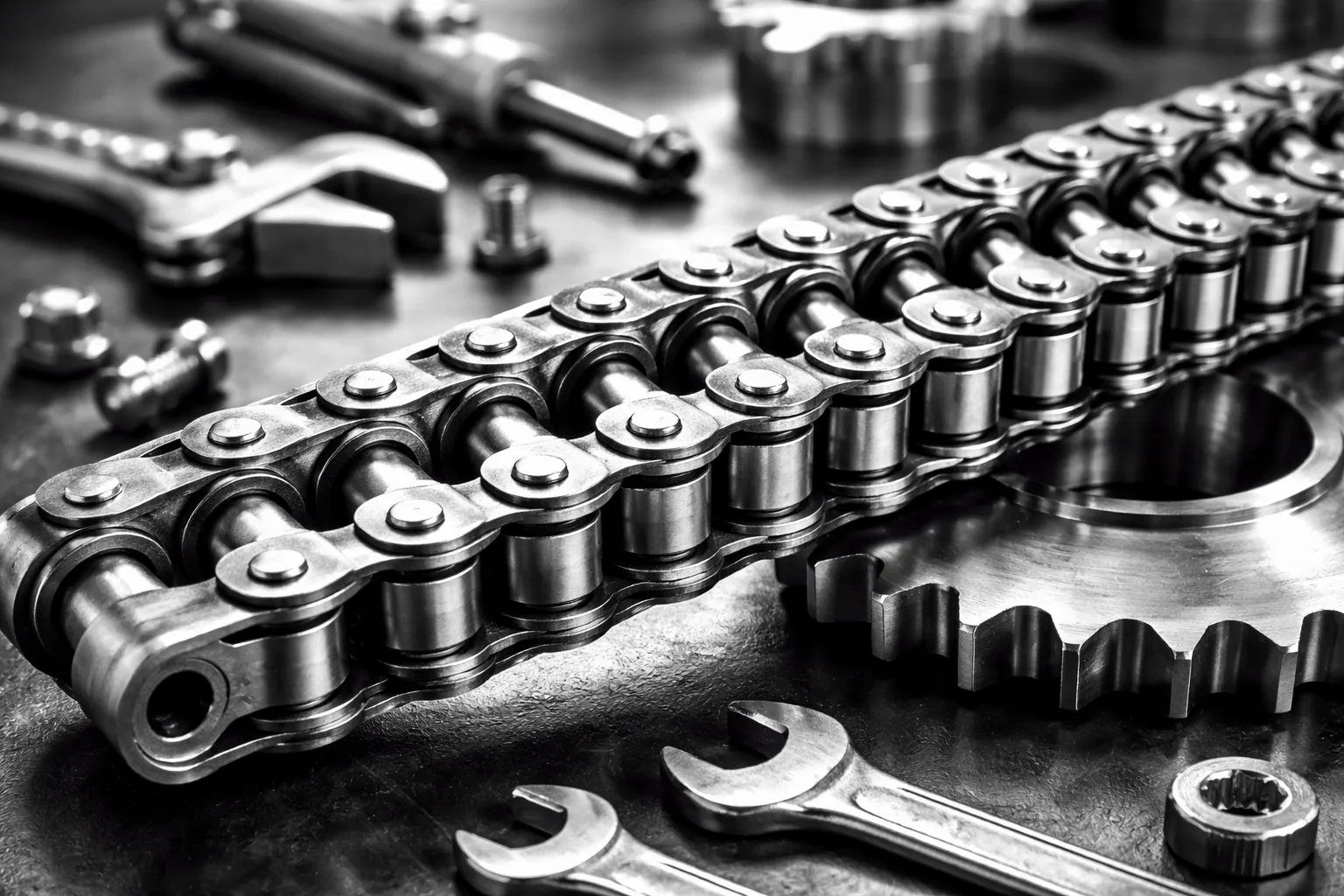
When selecting a roller chain, one must consider the following criteria:
– Load Capacity: Determine the maximum load the chain will need to handle to select an appropriately rated chain.
– Speed: Evaluate the speed requirements of the application, as different chains are designed for various speed ranges.
– Environment: Assess the operational environment, such as exposure to moisture or corrosive elements, to choose a chain material that will withstand these conditions.
Regular Maintenance Practices
To ensure longevity and performance, implementing a regular maintenance schedule is essential. Key practices include:
– Lubrication: Regularly lubricate the chain to reduce friction and wear.
– Tension Adjustment: Maintain proper tension to prevent slippage and ensure efficient power transfer.
– Inspection: Conduct routine inspections to identify wear and damage, allowing for timely replacements of worn components.
Future of Roller Chain Technology
As technology advances, the roller chain industry is poised for significant innovations. Emerging trends include:
Smart Chains
The integration of IoT technology into roller chains allows for real-time monitoring of performance metrics. Smart chains equipped with sensors can provide data on load, speed, and wear, enabling predictive maintenance strategies.
Advanced Materials
Research into lightweight and high-strength materials could lead to the development of roller chains that are both stronger and lighter. This shift would improve efficiency and reduce energy consumption in various applications.
Custom Solutions
As industries evolve, the demand for bespoke roller chain solutions will increase. Manufacturers will need to focus on providing customized chains tailored to specific operational needs, enhancing performance and efficiency.
The roller chain is a cornerstone of mechanical power transmission, enabling various industries to operate efficiently. From its basic components to its diverse applications, understanding roller chains is essential for optimizing machinery performance. Emphasizing proper selection, maintenance, and embracing technological advancements will further enhance the operational efficiency of roller chain systems.
Enhancing Operational Efficiency with Precision Roller Chain Systems
Introduction to Roller Chain Systems
In the modern industrial landscape, efficiency is paramount. This imperative drives companies to seek out systems that not only meet operational demands but excel in performance. Roller chain systems have emerged as a cornerstone in a myriad of applications, from manufacturing to conveyor systems. The need for precision and reliability in these systems cannot be overstated, as they form the backbone of mechanical power transmission. This article delves into a specific case study highlighting the transformative effects of precision roller chains on operational efficiency.
The Case Study: A Manufacturing Plant Transformation
To illustrate the impact of advanced roller chain technology, we examine a manufacturing plant specializing in automotive components. Prior to the implementation of a precision roller chain system, the plant faced several operational challenges. The existing chain systems were outdated, leading to frequent breakdowns, increased maintenance costs, and production delays.
Operational Data Before Implementation
- Average production downtime: 15 hours per week
- Maintenance costs: $50,000 annually
- Production efficiency: 70%
- Chain replacement frequency: every 6 months
Identifying the Need for Change
The plant’s management recognized the need for an overhaul. A comprehensive analysis highlighted the inefficiencies within the existing system. The outdated roller chains struggled to maintain proper tension, resulting in slippage and misalignment. This not only hampered the production flow but also contributed to excess wear on machinery.
Decision to Upgrade
After extensive research, the management decided to invest in a state-of-the-art precision roller chain system. The new system promised enhanced durability, lower friction, and better load distribution. These features were crucial for improving the overall operational efficiency of the plant.
Implementation of Precision Roller Chain Systems
The transition to the new roller chain system was meticulously planned. The initial step involved a thorough assessment of the plant’s existing infrastructure to ensure compatibility. This included evaluating the sprockets, motors, and other components integral to the chain system.
Installation Process
Expert technicians were brought in to facilitate the installation. The process was structured into several phases:
- Removal of the old chain and sprockets
- Inspection and maintenance of associated machinery
- Installation of the new precision roller chain
- Calibration of the system for optimal performance
Operational Data Post-Implementation
Following the installation, the plant monitored several key performance indicators to assess the effectiveness of the new system. The results were striking:
- Average production downtime: 2 hours per week
- Maintenance costs: $15,000 annually
- Production efficiency: 90%
- Chain replacement frequency: every 2 years
Analysis of Improvements
The data highlighted a dramatic reduction in downtime and maintenance costs. The precision roller chain system significantly outperformed the previous setup. This reduction in downtime translated to increased productivity, enabling the plant to meet higher production targets without the need for additional labor or resources.
Long-Term Benefits and Sustainability
Beyond immediate operational improvements, the implementation of precision roller chains fostered long-term benefits. The enhanced durability of the new chains reduced the frequency of replacements, leading to lower waste generation and a smaller environmental footprint. Additionally, the reduction in maintenance needs allowed the engineering team to focus on other value-adding initiatives within the plant.
Employee Training and Adaptation
To maximize the benefits of the new system, employee training was essential. Operators were educated on the features and maintenance protocols of the precision roller chains. This knowledge empowered them to identify potential issues early, further enhancing the system’s reliability.
Conclusion: A Model for Future Improvements
The case of the automotive component manufacturing plant serves as a powerful example of how precision roller chain systems can enhance operational efficiency. The transition from an outdated system to modern technology not only improved productivity but also reduced costs and environmental impact. Other industries facing similar challenges can draw valuable insights from this case, paving the way for ongoing improvements in operational efficiency through the adoption of advanced roller chain technologies.
What is a Roller Chain?
Introduction to Roller Chains
Roller chains, often referred to as power transmission chains, are indispensable components in an array of mechanical systems wherein they primarily facilitate power transfer between two shafts. Their application spans various sectors including manufacturing, agriculture, and beyond, adapting seamlessly to the multifaceted requirements of contemporary machinery. The core design features a series of interconnected links, generally composed of high-strength steel, which enables efficient energy conveyance from one location to another. Despite the simplicity inherent in the roller chain’s configuration, its critical function in bolstering operational efficacy cannot be overstated.
Components of a Roller Chain
A comprehensive understanding of roller chains necessitates an exploration of their individual components, each of which significantly influences the chain’s performance and reliability.
Links
The links form the backbone of a roller chain. Each link comprises inner and outer link plates interlinked by pins and bushings, creating a sturdy structure. The inner links are designed to accommodate rollers that interact with the sprockets. The specific arrangement of these links impacts both the load-bearing capacity and flexibility of the chain.
Rollers
Rollers are cylindrical elements that play a pivotal role in minimizing friction while facilitating smooth movement along the sprocket teeth. The meticulous engineering of these rollers is paramount in reducing wear and tear, thereby extending the longevity of the chain and the machinery it powers.
Sprockets
Sprockets, characterized by their toothed wheels, are essential for driving the roller chain. Their teeth engage the rollers, permitting effective power transmission. It is crucial that the dimensions and pitch of the sprocket teeth correspond with those of the roller chain to ensure synchronized operation.
Types of Roller Chains
A variety of roller chains exist, each designed for distinct applications. Familiarity with these types is essential for optimizing performance across different operational environments.
Standard Roller Chains
Standard roller chains are the most frequently utilized variant, celebrated for their versatility and straightforward maintenance. They are suitable for moderate to heavy loads and are employed in myriad applications ranging from bicycles to conveyor systems.
Heavy-Duty Roller Chains
These chains are specifically engineered for rigorous conditions, featuring reinforced components that enable them to support heightened loads and increased speeds. Heavy-duty roller chains are predominantly found in industrial environments where reliability is of utmost importance.
Stainless Steel Roller Chains
Offering exceptional resistance to corrosion, stainless steel roller chains are ideal for environments exposed to moisture, chemicals, or other corrosive agents. The durability afforded by stainless steel makes these chains particularly favorable in food processing and pharmaceutical applications.
Applications of Roller Chains
The adaptability of roller chains extends across a multitude of sectors, each characterized by unique operational requirements.
Manufacturing
In manufacturing, roller chains are integral to the functionality of assembly lines, conveyor systems, and machinery requiring precise synchronization. The reliability of roller chains bolsters the efficiency of these systems, significantly reducing the likelihood of downtime caused by mechanical failures.
Agriculture
In the agricultural sector, machinery such as tractors and harvesters rely heavily on roller chains for effective power transfer. The robust nature of these chains ensures that agricultural machinery can endure the demanding conditions of outdoor environments, thereby preserving productivity.
Automotive Industry
Within the automotive industry, roller chains are crucial for timing mechanisms and drive systems. The precise operation facilitated by roller chains is vital for the optimal performance of engine components, ensuring that vehicles operate smoothly and efficiently.
Advantages of Roller Chains
The extensive use of roller chains in various applications is largely attributed to their numerous benefits.
Efficiency and Power Transmission
Roller chains excel at conveying power with minimal energy loss. Their design effectively reduces friction, allowing for proficient operation even at elevated speeds. This efficiency directly translates into lower operational costs and enhanced overall performance.
Durability and Load Capacity
Constructed from high-strength materials, roller chains are capable of enduring significant loads and adverse operating conditions. Their resilience ensures effective performance over extended periods, decreasing the necessity for frequent replacements.
Ease of Maintenance
Maintaining roller chains is relatively straightforward, requiring routine lubrication and occasional adjustments. This simplicity enables operators to minimize downtime while sustaining optimal performance.
Enhancing Operational Efficiency
To attain peak operational efficiency, selecting the correct roller chain for specific applications is imperative. Considerations such as load capacity, speed, and environmental conditions are crucial in this selection process.
Selection Criteria
When choosing a roller chain, the following criteria should be meticulously evaluated:
– Load Capacity: Ascertain the maximum load the chain needs to support to select a suitably rated option.
– Speed: Analyze the application’s speed requirements, as various chains are engineered for different velocity ranges.
– Environment: Evaluate the operational environment, including exposure to moisture or corrosive elements, to select a chain material equipped to withstand these conditions.
Regular Maintenance Practices
To ensure both longevity and performance, implementing a rigorous maintenance schedule is essential. Key practices include:
– Lubrication: Regularly applying lubricant to the chain reduces friction and wear.
– Tension Adjustment: Maintaining appropriate tension prevents slippage, ensuring effective power transfer.
– Inspection: Conducting routine inspections to identify signs of wear and damage allows for timely replacement of worn components.
Future of Roller Chain Technology
With technological advancements on the horizon, the roller chain industry stands ready for transformative innovations. Emerging trends include:
Smart Chains
The integration of Internet of Things (IoT) technology within roller chains paves the way for real-time performance monitoring. Smart chains equipped with sensors can provide critical data on load, speed, and wear, facilitating predictive maintenance strategies.
Advanced Materials
Ongoing research into lightweight yet high-strength materials promises the development of roller chains that are both stronger and lighter. This evolution would enhance efficiency while reducing energy consumption across various applications.
Custom Solutions
As industries continue to evolve, the demand for tailored roller chain solutions is set to rise. Manufacturers will need to focus on delivering customized chains that cater to specific operational requirements, ultimately boosting performance and efficiency.
Enhancing Operational Efficiency with Precision Roller Chain Systems
Introduction to Roller Chain Systems
In the modern industrial landscape, efficiency is paramount. This imperative drives companies to seek out systems that not only meet operational demands but excel in performance. Roller chain systems have emerged as a cornerstone in a myriad of applications, from manufacturing to conveyor systems. The need for precision and reliability in these systems cannot be overstated, as they form the backbone of mechanical power transmission. This article delves into a specific case study highlighting the transformative effects of precision roller chains on operational efficiency.
The Case Study: A Manufacturing Plant Transformation
To illustrate the impact of advanced roller chain technology, we examine a manufacturing plant specializing in automotive components. Prior to the implementation of a precision roller chain system, the plant faced several operational challenges. The existing chain systems were outdated, leading to frequent breakdowns, increased maintenance costs, and production delays.
Operational Data Before Implementation
- Average production downtime: 15 hours per week
- Maintenance costs: $50,000 annually
- Production efficiency: 70%
- Chain replacement frequency: every 6 months
Identifying the Need for Change
The plant’s management recognized the need for an overhaul. A comprehensive analysis highlighted the inefficiencies within the existing system. The outdated roller chains struggled to maintain proper tension, resulting in slippage and misalignment. This not only hampered the production flow but also contributed to excess wear on machinery.
Decision to Upgrade
After extensive research, the management decided to invest in a state-of-the-art precision roller chain system. The new system promised enhanced durability, lower friction, and better load distribution. These features were crucial for improving the overall operational efficiency of the plant.
Implementation of Precision Roller Chain Systems
The transition to the new roller chain system was meticulously planned. The initial step involved a thorough assessment of the plant’s existing infrastructure to ensure compatibility. This included evaluating the sprockets, motors, and other components integral to the chain system.
Installation Process
Expert technicians were brought in to facilitate the installation. The process was structured into several phases:
- Removal of the old chain and sprockets
- Inspection and maintenance of associated machinery
- Installation of the new precision roller chain
- Calibration of the system for optimal performance
Operational Data Post-Implementation
Following the installation, the plant monitored several key performance indicators to assess the effectiveness of the new system. The results were striking:
- Average production downtime: 2 hours per week
- Maintenance costs: $15,000 annually
- Production efficiency: 90%
- Chain replacement frequency: every 2 years
Analysis of Improvements
The data highlighted a dramatic reduction in downtime and maintenance costs. The precision roller chain system significantly outperformed the previous setup. This reduction in downtime translated to increased productivity, enabling the plant to meet higher production targets without the need for additional labor or resources.
Long-Term Benefits and Sustainability
Beyond immediate operational improvements, the implementation of precision roller chains fostered long-term benefits. The enhanced durability of the new chains reduced the frequency of replacements, leading to lower waste generation and a smaller environmental footprint. Additionally, the reduction in maintenance needs allowed the engineering team to focus on other value-adding initiatives within the plant.
Employee Training and Adaptation
To maximize the benefits of the new system, employee training was essential. Operators were educated on the features and maintenance protocols of the precision roller chains. This knowledge empowered them to identify potential issues early, further enhancing the system’s reliability.
The Impact on Productivity and Profitability
The transition to the precision roller chain system not only enhanced daily operations but also had a profound impact on the plant’s profitability. With production efficiency rising to 90%, the plant could now produce a greater number of automotive components within the same period. This increase in output allowed the company to capitalize on market demands swiftly, resulting in improved profit margins.
Cost-Benefit Analysis
A thorough cost-benefit analysis conducted post-implementation showcased a return on investment (ROI) that exceeded initial expectations. With decreased maintenance costs and improved production rates, the plant calculated an annual savings of approximately $35,000. This savings, combined with the enhanced efficiency, justified the initial investment in the precision roller chain system.
Comparing Operational Metrics Over Time
The following table summarizes the operational metrics both before and after the implementation of the precision roller chain system, providing a clear visual representation of the improvements:
| Metric | Before Implementation | After Implementation |
|---|---|---|
| Average Production Downtime | 15 hours/week | 2 hours/week |
| Annual Maintenance Costs | $50,000 | $15,000 |
| Production Efficiency | 70% | 90% |
| Chain Replacement Frequency | Every 6 months | Every 2 years |
Innovation and Technological Advancements
The evolution of roller chain technology has been driven by the need for more efficient and reliable systems. Innovations such as high-strength materials, enhanced lubrication systems, and precision manufacturing processes have all contributed to the effectiveness of modern roller chains. These advancements ensure that roller chains can handle greater loads while minimizing wear and tear, thus extending their operational lifespan significantly.
Integration with Smart Manufacturing
As industries move towards smart manufacturing, the integration of precision roller chains with IoT (Internet of Things) technologies has become increasingly important. Sensors can now monitor the performance of roller chains in real-time, providing data on wear levels, tension, and operational status. This information allows for preemptive maintenance actions, preventing failures before they occur and ensuring continuous operation.
Challenges and Considerations
While the benefits of precision roller chains are substantial, it is essential to recognize the challenges involved in their implementation. Initial costs can be a deterrent for some manufacturers, particularly those operating on tight margins. Additionally, transitioning to a new system may require temporary downtime, which can impact production schedules. It is crucial for management to plan carefully and communicate openly with all stakeholders to mitigate these challenges.
Future Trends in Roller Chain Systems
As the demand for higher efficiency continues to rise, we can expect to see further advancements in roller chain technology. Future trends may include the development of even more durable materials, greater automation in chain manufacturing, and enhanced software solutions for monitoring and managing chain systems. Embracing these trends will position manufacturers to stay competitive in a rapidly evolving marketplace.
Final Thoughts
The case of the automotive component manufacturing plant serves as a powerful example of how precision roller chain systems can enhance operational efficiency. The transition from an outdated system to modern technology not only improved productivity but also reduced costs and environmental impact. Other industries facing similar challenges can draw valuable insights from this case, paving the way for ongoing improvements in operational efficiency through the adoption of advanced roller chain technologies.
What is a Roller Chain?
Introduction to Roller Chains
Roller chains, often referred to as power transmission chains, are indispensable components in an array of mechanical systems wherein they primarily facilitate power transfer between two shafts. Their application spans various sectors including manufacturing, agriculture, and beyond, adapting seamlessly to the multifaceted requirements of contemporary machinery. The core design features a series of interconnected links, generally composed of high-strength steel, which enables efficient energy conveyance from one location to another. Despite the simplicity inherent in the roller chain’s configuration, its critical function in bolstering operational efficacy cannot be overstated.
Components of a Roller Chain
A comprehensive understanding of roller chains necessitates an exploration of their individual components, each of which significantly influences the chain’s performance and reliability.
Links
The links form the backbone of a roller chain. Each link comprises inner and outer link plates interlinked by pins and bushings, creating a sturdy structure. The inner links are designed to accommodate rollers that interact with the sprockets. The specific arrangement of these links impacts both the load-bearing capacity and flexibility of the chain.
Rollers
Rollers are cylindrical elements that play a pivotal role in minimizing friction while facilitating smooth movement along the sprocket teeth. The meticulous engineering of these rollers is paramount in reducing wear and tear, thereby extending the longevity of the chain and the machinery it powers.
Sprockets
Sprockets, characterized by their toothed wheels, are essential for driving the roller chain. Their teeth engage the rollers, permitting effective power transmission. It is crucial that the dimensions and pitch of the sprocket teeth correspond with those of the roller chain to ensure synchronized operation.
Types of Roller Chains
A variety of roller chains exist, each designed for distinct applications. Familiarity with these types is essential for optimizing performance across different operational environments.
Standard Roller Chains
Standard roller chains are the most frequently utilized variant, celebrated for their versatility and straightforward maintenance. They are suitable for moderate to heavy loads and are employed in myriad applications ranging from bicycles to conveyor systems.
Heavy-Duty Roller Chains
These chains are specifically engineered for rigorous conditions, featuring reinforced components that enable them to support heightened loads and increased speeds. Heavy-duty roller chains are predominantly found in industrial environments where reliability is of utmost importance.
Stainless Steel Roller Chains
Offering exceptional resistance to corrosion, stainless steel roller chains are ideal for environments exposed to moisture, chemicals, or other corrosive agents. The durability afforded by stainless steel makes these chains particularly favorable in food processing and pharmaceutical applications.
Applications of Roller Chains
The adaptability of roller chains extends across a multitude of sectors, each characterized by unique operational requirements.
Manufacturing
In manufacturing, roller chains are integral to the functionality of assembly lines, conveyor systems, and machinery requiring precise synchronization. The reliability of roller chains bolsters the efficiency of these systems, significantly reducing the likelihood of downtime caused by mechanical failures.
Agriculture
In the agricultural sector, machinery such as tractors and harvesters rely heavily on roller chains for effective power transfer. The robust nature of these chains ensures that agricultural machinery can endure the demanding conditions of outdoor environments, thereby preserving productivity.
Automotive Industry
Within the automotive industry, roller chains are crucial for timing mechanisms and drive systems. The precise operation facilitated by roller chains is vital for the optimal performance of engine components, ensuring that vehicles operate smoothly and efficiently.
Advantages of Roller Chains
The extensive use of roller chains in various applications is largely attributed to their numerous benefits.
Efficiency and Power Transmission
Roller chains excel at conveying power with minimal energy loss. Their design effectively reduces friction, allowing for proficient operation even at elevated speeds. This efficiency directly translates into lower operational costs and enhanced overall performance.
Durability and Load Capacity
Constructed from high-strength materials, roller chains are capable of enduring significant loads and adverse operating conditions. Their resilience ensures effective performance over extended periods, decreasing the necessity for frequent replacements.
Ease of Maintenance
Maintaining roller chains is relatively straightforward, requiring routine lubrication and occasional adjustments. This simplicity enables operators to minimize downtime while sustaining optimal performance.
Enhancing Operational Efficiency
To attain peak operational efficiency, selecting the correct roller chain for specific applications is imperative. Considerations such as load capacity, speed, and environmental conditions are crucial in this selection process.
Selection Criteria
When choosing a roller chain, the following criteria should be meticulously evaluated:
– Load Capacity: Ascertain the maximum load the chain needs to support to select a suitably rated option.
– Speed: Analyze the application’s speed requirements, as various chains are engineered for different velocity ranges.
– Environment: Evaluate the operational environment, including exposure to moisture or corrosive elements, to select a chain material equipped to withstand these conditions.
Regular Maintenance Practices
To ensure both longevity and performance, implementing a rigorous maintenance schedule is essential. Key practices include:
– Lubrication: Regularly applying lubricant to the chain reduces friction and wear.
– Tension Adjustment: Maintaining appropriate tension prevents slippage, ensuring effective power transfer.
– Inspection: Conducting routine inspections to identify signs of wear and damage allows for timely replacement of worn components.
Future of Roller Chain Technology
With technological advancements on the horizon, the roller chain industry stands ready for transformative innovations. Emerging trends include:
Smart Chains
The integration of Internet of Things (IoT) technology within roller chains paves the way for real-time performance monitoring. Smart chains equipped with sensors can provide critical data on load, speed, and wear, facilitating predictive maintenance strategies.
Advanced Materials
Ongoing research into lightweight yet high-strength materials promises the development of roller chains that are both stronger and lighter. This evolution would enhance efficiency while reducing energy consumption across various applications.
Custom Solutions
As industries continue to evolve, the demand for tailored roller chain solutions is set to rise. Manufacturers will need to focus on delivering customized chains that cater to specific operational requirements, ultimately boosting performance and efficiency.
edit by gzl