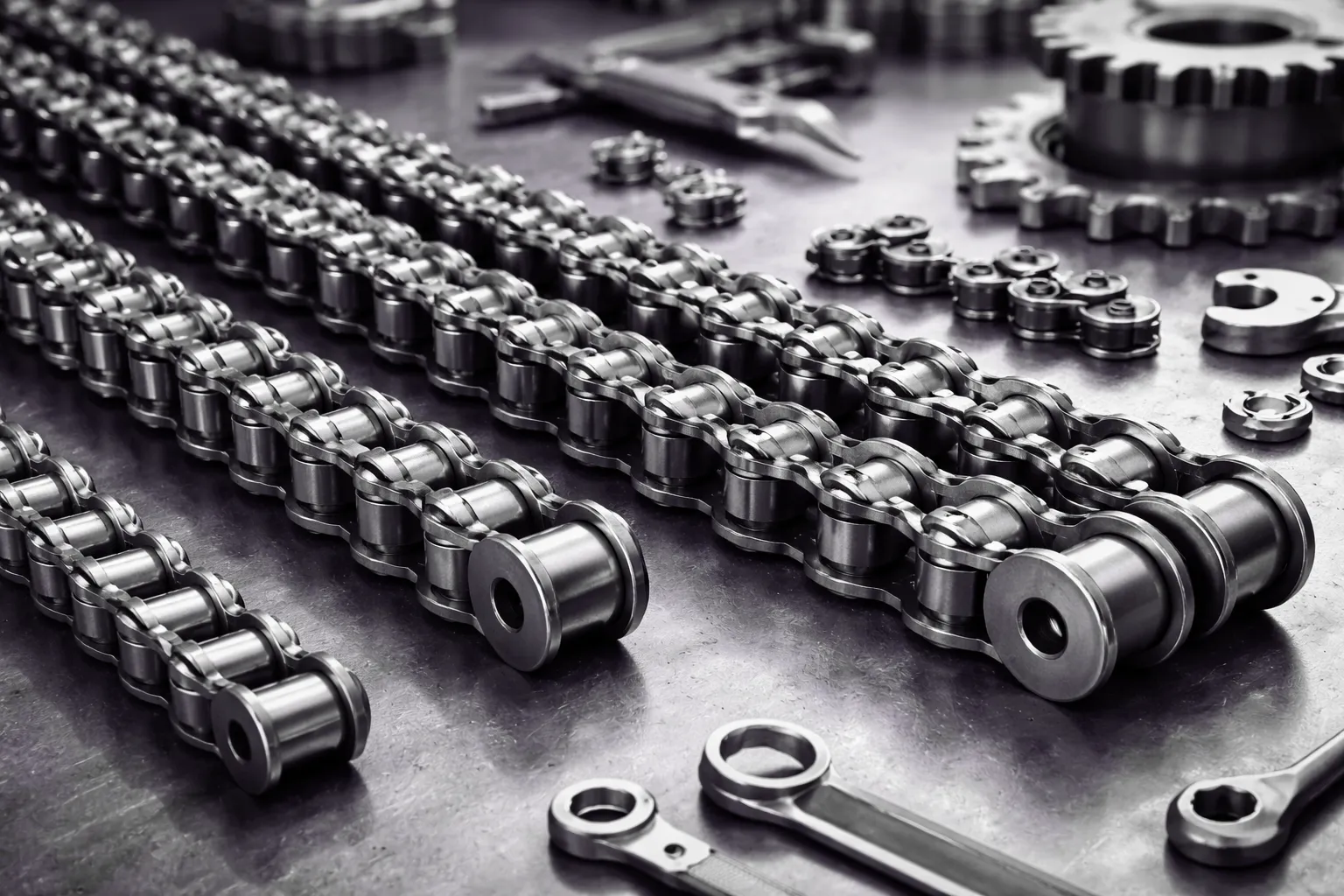
What is a Roller Chain?
Roller chains, also commonly known as roller link chains, are mechanical chains used to transmit power and motion between two or more rotating shafts. Their structure typically consists of a series of metal links connected by cylindrical rollers, thus achieving smooth and efficient motion. Due to their robustness and reliability, roller chains are widely used in various industrial sectors, including manufacturing, agriculture, and transportation.
Historical Background
The origins of roller chains can be traced back to the late 19th century, when engineers sought efficient methods for transmitting mechanical power. Early designs were rudimentary, but with technological advancements, the design and materials of roller chains have improved. Today, roller chains are made from high-strength steel alloys, ensuring durability and longevity even under harsh conditions.
Components of a Roller Chain
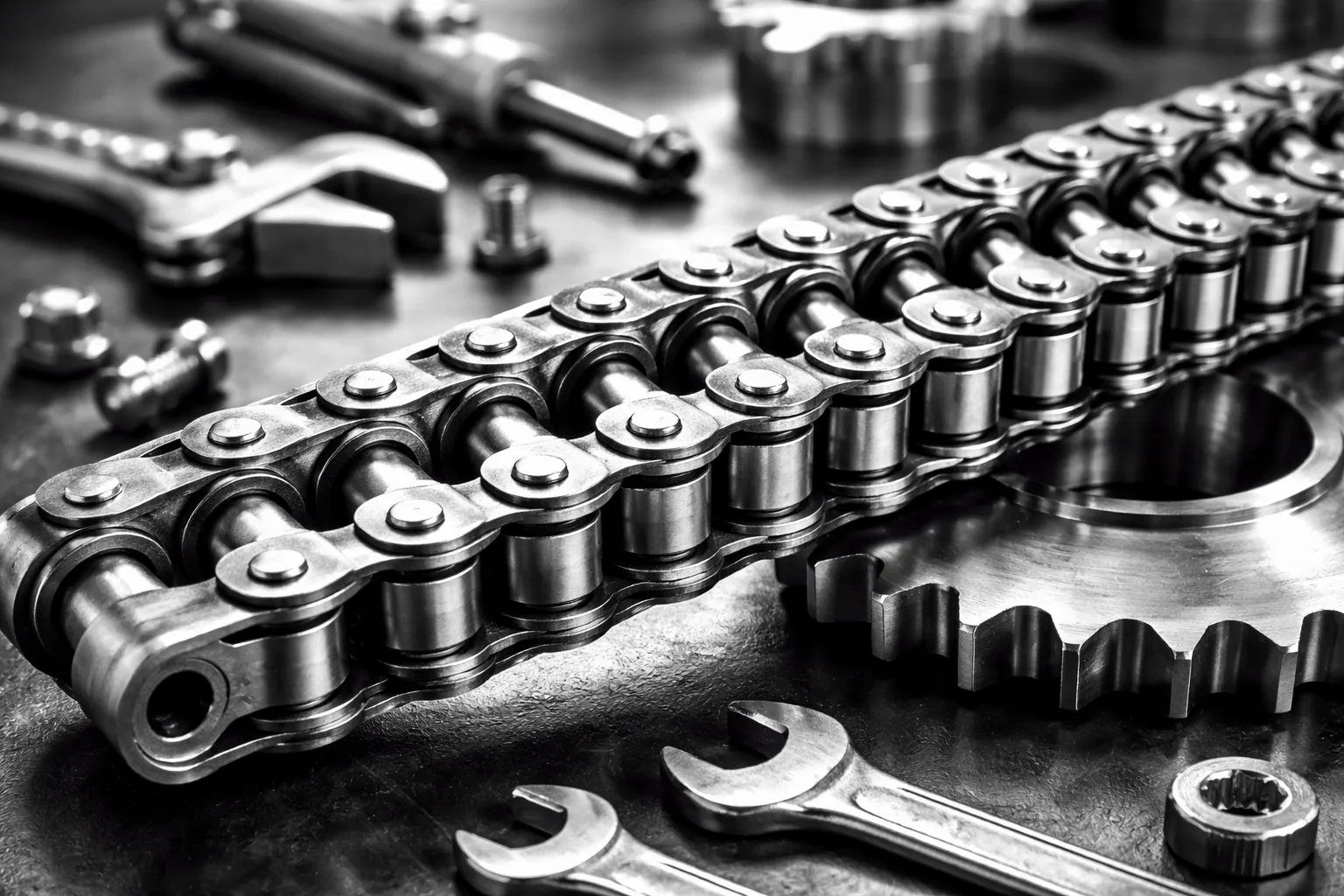
Understanding the anatomy of a roller chain can help in selecting the right type for specific applications. A typical roller chain consists of several key components:
Link Plates
These are flat metal plates that form the outer parts of the chain. They provide structural integrity and house the rollers.
Rollers
Rollers are cylindrical components that rotate around the chain pins. They reduce friction between the chain and the sprockets, facilitating smooth operation.
Chain Pins
These are the rods that connect the links and allow for rotation of the rollers. They need to be made from high-strength materials to endure the operational stresses.
Bushings
Bushings sit between the rollers and the link plates, allowing for a smoother movement of the rollers. They play a crucial role in minimizing wear.
Types of Roller Chains
There are various types of roller chains available, each designed for specific applications and load requirements:
Standard Roller Chain
This is the most common type used in a wide range of applications. It conforms to ANSI standards and is characterized by its simple design and ease of maintenance.
Heavy-Duty Roller Chain
Heavy-duty chains are designed for high-load applications. They use thicker plates and larger rollers to accommodate greater stress and are suitable for environments with higher wear and tear.
Stainless Steel Roller Chain
For applications where corrosion resistance is crucial, stainless steel roller chains are the preferred choice. They are commonly used in food processing and pharmaceutical industries.
Applications of Roller Chains
Roller chains are utilized across various industries, showcasing their versatility and reliability:
Manufacturing
In manufacturing facilities, roller chains are integral to the operation of assembly lines and conveyor systems. Their ability to transmit power efficiently ensures smooth production processes.
Agriculture
Agricultural machinery, such as tractors and harvesters, often employs roller chains to drive various components. Their durability is essential for the demanding conditions found in farming.
Transportation
In transportation systems, roller chains are used in forklifts, conveyor belts, and similar equipment. They provide reliable power transmission, ensuring that goods are moved efficiently.
Understanding Load Requirements
When selecting a roller chain for a specific application, understanding load requirements is critical. The following factors must be considered:
Tensile Strength
This is the maximum load a roller chain can handle without breaking. It is essential to select a chain with a tensile strength that exceeds the maximum load expected in operation.
Working Load Limit (WLL)
The WLL is a safe operating load limit that should not be exceeded during usage. It is crucial for ensuring the longevity of the chain and preventing failures.
Dynamic Load Consideration
Dynamic loads fluctuate during operation. It is vital to account for these variations when selecting a roller chain to ensure it can withstand sudden changes in load without compromising performance.
Environmental Considerations
The operating environment plays a significant role in the selection of roller chains. Various factors can impact performance:
Temperature Extremes
High or low temperatures can affect the material properties of the chain. Selecting a chain designed for specific temperature ranges can prevent premature failure.
Corrosive Environments
In environments where exposure to moisture or chemicals is common, stainless steel or specially coated roller chains should be considered to mitigate corrosion risks.
Dust and Debris
In industries such as construction, dust and debris can accumulate in the chain, leading to increased wear. Choosing a chain with sealing features can help keep contaminants out and prolong its life.
Maintenance and Care
Proper maintenance is essential for the longevity and performance of roller chains. Regular inspections and appropriate care can prevent costly downtimes:
Lubrication
Lubrication reduces friction between moving parts and minimizes wear. Using the correct type of lubricant and maintaining proper lubrication intervals is critical.
Alignment Checks
Misalignment can lead to uneven wear and premature failure. Regularly checking the alignment of the chain with sprockets helps ensure optimal performance.
Wear Assessment
Monitoring the wear of the chain and its components can prevent unexpected failures. Replacing worn parts before they fail can save time and money in the long run.
Choosing the Right Chain Length
To ensure optimal performance, the length of the roller chain must be appropriate for the application:
Measuring Chain Length
The length of a roller chain is determined by the distance between the sprockets and the number of links required to bridge that distance. Accurate measurements are crucial for effective operation.
Adjustability
Some systems allow for adjustability in the chain length, which can be beneficial in applications where wear occurs frequently. This flexibility can help in maintaining the right tension and performance over time.
Ultimately, selecting the right roller chain involves a nuanced understanding of the application requirements, load considerations, and environmental conditions. By taking these factors into account, you can enhance the effectiveness and longevity of roller chains in various demanding applications.
How to Select the Right Roller Chain for Demanding Applications
In industrial environments, selecting the right roller chain is crucial for improving operational efficiency, especially in demanding applications where reliability and durability are paramount. This article delves into how to choose the right roller chain, focusing on key factors such as load capacity, environmental conditions, and maintenance requirements. Furthermore, we provide a comprehensive case study illustrating the practical application of these concepts.
Understanding Roller Chain Fundamentals
A roller chain is a mechanical device used to transmit power on a rotating shaft. Its structure consists of inner and outer links, with rollers enabling the links to move smoothly on a sprocket. When selecting a roller chain, it’s essential to understand its basic specifications: pitch, tensile strength, and wear resistance.
Pitch
The pitch of a roller chain refers to the distance between the centers of two adjacent rollers. This measurement is critical as it affects the compatibility with sprockets. Common pitches include 1/4”, 1/2”, and 3/4”, with larger pitches typically used for heavier loads.
Tensile Strength
Tensile strength refers to the maximum load a chain can withstand before breaking. For demanding applications, selecting a chain with a tensile strength exceeding the expected maximum load ensures its service life and reliability. Always refer to the manufacturer’s specifications to determine the appropriate rating.
Wear Resistance
Wear resistance is a vital attribute for chains operating in abrasive environments. Various treatments such as heat treatment and surface hardening can enhance this property, thereby extending the chain’s lifespan.
Key Factors Influencing Selection
When choosing the right roller chain, several factors must be taken into account, including application type, environmental conditions, and maintenance practices.
Application Type
Different applications place different requirements on roller chains. For example, the stresses experienced by roller chains used in high-speed conveyor systems are vastly different from those experienced by roller chains used in heavy-duty industrial presses. Understanding the specific requirements of the application is crucial.
Environmental Conditions
Chains exposed to harsh environmental conditions, such as extreme temperatures, moisture, or chemical exposure, will require specialized materials and coatings to prevent premature wear and failure. Assessing the operating environment is key to making an informed selection.
Maintenance Considerations
Maintenance plays a significant role in the longevity of roller chains. Regular lubrication is essential to reduce friction and wear. Selecting a chain designed for easy maintenance can save time and resources in the long run.
Case Study: Heavy-Duty Conveyor System
To illustrate the selection process, consider a heavy-duty conveyor system utilized in a manufacturing plant. This system is tasked with transporting heavy materials, requiring robust performance from the roller chain.
Initial Assessment
The first step involved assessing the operational parameters. The conveyor system operates under a load capacity of 15,000 lbs, with a maximum speed of 120 feet per minute. Given these requirements, the team knew they needed a chain with a high tensile strength to handle the weight without failure.
Data Comparison
After thorough research, two roller chains were identified for comparison:
| Specification | Chain A | Chain B |
|---|---|---|
| Pitch | 1/2” | 3/4” |
| Tensile Strength | 18,000 lbs | 20,000 lbs |
| Weight | 2.5 lbs/ft | 3.0 lbs/ft |
| Wear Coating | Standard | Premium Treatment |
Chain A, while lighter, had a lower tensile strength compared to Chain B. The premium treatment on Chain B provided enhanced wear resistance, making it a stronger candidate for the demanding application.
Field Testing
Before finalizing the decision, both chains underwent field testing in the actual conveyor system. Chain B exhibited superior performance, withstanding the maximum load and maintaining operational speed without any signs of wear after 1,000 hours of operation. Chain A, however, showed early signs of fatigue.
Final Selection
Based on the test results, chain B was selected for this application. Its higher tensile strength and superior wear resistance make it ideal for the harsh operating conditions of a manufacturing plant. Furthermore, its maintenance requirements are simple, facilitating lubrication during routine inspections.
Selecting the right roller chain for demanding applications requires a detailed analysis of the specific requirements of the operating environment. By understanding basic specifications, assessing key influencing factors, and conducting comprehensive comparative analysis and testing, the service life and reliability of the roller chain in industrial applications can be ensured. This case study clearly demonstrates the crucial importance of informed decision-making in optimizing performance and minimizing downtime.
Case Study: The Implementation of Roller Chains in a Food Processing Facility
In the highly competitive food processing industry, efficiency and reliability are paramount. This case study explores the application of roller chains in a well-known food processing plant, detailing the challenges faced, the solutions implemented, and the results achieved. This plant, renowned for its high-quality canned foods, sought to improve production line performance while reducing operating costs.
Initial Challenges
Prior to the upgrade, the facility relied on outdated conveyor systems that employed traditional flat belts for product transport. These systems exhibited several limitations:
Frequent Downtime
The flat belt systems were prone to slippage, causing frequent downtime as operators struggled to realign and maintain the belts. The resultant production halts not only increased labor costs but also impeded operational efficiency.
Inadequate Load Handling
As production demands increased, the flat belts proved insufficient for handling the weight and volume of products. Over time, the belts began to wear significantly, leading to issues with product integrity and increased waste.
High Maintenance Requirements
Maintenance on the existing systems was labor-intensive. Operators had to perform regular checks and manual adjustments, diverting attention from other critical operational areas. This increased the overall cost of ownership.
Assessing Roller Chain Solutions
To address these challenges, a thorough analysis of roller chain systems was conducted. Roller chains offered distinct advantages in power transmission and durability, which were critical for the facility’s needs.
Performance Data Analysis
Before implementing the new system, the factory’s production line averaged 2,000 cans per hour. Maintenance records showed that approximately 15% of production time was wasted due to downtime of the flat belt system. Initial assessments projected that adopting the roller chain would increase output to 3,200 cans per hour, representing a 60% increase in efficiency.
Implementation of Roller Chains
The transition to roller chains involved several key steps, each critical to ensuring a successful implementation.
Choosing the Correct Roller Chain
After thorough consideration, a heavy-duty roller chain was selected, specifically designed for high-load applications. This chain was characterized by its robust build, featuring larger link plates and reinforced rollers capable of withstanding the operational stresses of the food processing environment.
Installation Process
To minimize disruption to existing production, the installation of the roller chain system was carried out in phases. Operators received training on the safe disassembly of the existing conveyor system, ensuring a smooth transition. The new roller chain system was installed in conjunction with advanced sprockets to ensure optimal synchronization between components.
Testing and Calibration
Post-installation, a series of tests were conducted to calibrate the machinery. Adjustments were made to the tension of the roller chain to achieve the optimal balance between performance and wear. During this phase, it was observed that the roller chain exhibited significantly less slippage compared to the previous flat belt systems.
Performance Metrics Post-Implementation
After the installation of the roller chain system, the facility recorded impressive improvements across multiple performance metrics.
Increased Throughput
The production line achieved a new average output of 3,500 cans per hour, exceeding initial projections. This increase was attributed to the roller chain’s ability to maintain consistent tension and reduce slippage, thereby enhancing efficiency.
Reduced Downtime
Downtime associated with conveyor belt failures dropped to less than 2%. This marked a significant reduction, translating to increased productivity and cost savings for the facility.
Lower Maintenance Costs
Maintenance logs indicated a 40% decrease in labor hours required for system upkeep. The roller chains required less frequent lubrication and adjustment compared to the flat belt systems, leading to substantial savings in maintenance costs.
Environmental Impact and Sustainability
Embracing roller chains not only improved operational efficiency but also contributed positively to the facility’s sustainability objectives.
Energy Efficiency
With reduced friction losses, the roller chain systems demonstrated improved energy efficiency. The facility reported a 15% decrease in energy consumption associated with conveyor operations, aligning with its goals to minimize its carbon footprint.
Waste Reduction
The enhanced reliability of the roller chain system resulted in a marked decrease in product waste during processing. By maintaining consistent transport speeds and reducing product damage, the facility was able to optimize its yield significantly.
Long-term Benefits and Future Considerations
The successful implementation of roller chains in the food processing facility has positioned it for long-term growth and adaptability.
Scalability
The new roller chain system demonstrates exceptional scalability, meeting future expansion needs without requiring large-scale modifications. With continued growth in production demand, the plant is well-prepared to increase capacity by adding a roller chain system.
The plant adheres to a philosophy of continuous improvement, leveraging data collected from the roller chain system to constantly optimize its production processes. The plant regularly analyzes performance indicators to identify areas for improvement, ensuring it remains competitive in the ever-changing food processing industry.
This case study illustrates the transformative impact of roller chains in a food processing plant, highlighting key performance improvements and operational efficiency gains. The transition from flat belts to roller chains not only addresses immediate challenges but also lays the foundation for the plant’s future success, fully demonstrating the value of investing in high-quality mechanical systems.
How to Select the Right Roller Chain for Demanding Applications
In industrial environments, selecting the right roller chain is crucial for improving operational efficiency, especially in demanding applications where reliability and durability are paramount. This article delves into how to choose the right roller chain, focusing on key factors such as load capacity, environmental conditions, and maintenance requirements. Furthermore, we provide a comprehensive case study illustrating the practical application of these concepts.
Understanding Roller Chain Fundamentals
Roller chains are mechanical devices used to transmit power across rotating shafts. Their design consists of inner and outer links, with rollers that facilitate smooth movement over sprockets. The selection process begins with comprehending the fundamental specifications, namely pitch, tensile strength, and wear resistance.
Pitch
The pitch of a roller chain refers to the distance between the centers of two adjacent rollers. This measurement is critical as it affects the compatibility with sprockets. Common pitches include 1/4”, 1/2”, and 3/4”, with larger pitches typically used for heavier loads.
Tensile Strength
Tensile strength indicates the maximum load a chain can withstand before it fails. For demanding applications, selecting a chain with a tensile strength that exceeds the maximum expected load ensures longevity and reliability. It’s essential to consult manufacturer specifications to determine the appropriate rating.
Wear Resistance
Wear resistance is a vital attribute for chains operating in abrasive environments. Various treatments such as heat treatment and surface hardening can enhance this property, thereby extending the chain’s lifespan.
Key Factors Influencing Selection
When choosing the right roller chain, several factors must be taken into account, including application type, environmental conditions, and maintenance practices.
Application Type
Different applications impose varying demands on roller chains. For instance, a chain employed in a high-speed conveyor system will face different stresses compared to one used in a heavy-duty industrial press. Understanding the specific requirements of the application is vital.
Environmental Conditions
Chains exposed to harsh environmental conditions, such as extreme temperatures, moisture, or chemical exposure, will require specialized materials and coatings to prevent premature wear and failure. Assessing the operating environment is key to making an informed selection.
Maintenance Considerations
Maintenance plays a significant role in the longevity of roller chains. Regular lubrication is essential to reduce friction and wear. Selecting a chain designed for easy maintenance can save time and resources in the long run.
Case Study: Heavy-Duty Conveyor System
To illustrate the selection process, consider a heavy-duty conveyor system utilized in a manufacturing plant. This system is tasked with transporting heavy materials, requiring robust performance from the roller chain.
Initial Assessment
The first step involved assessing the operational parameters. The conveyor system operates under a load capacity of 15,000 lbs, with a maximum speed of 120 feet per minute. Given these requirements, the team knew they needed a chain with a high tensile strength to handle the weight without failure.
Data Comparison
After thorough research, two roller chains were identified for comparison:
| Specification | Chain A | Chain B |
|---|---|---|
| Pitch | 1/2” | 3/4” |
| Tensile Strength | 18,000 lbs | 20,000 lbs |
| Weight | 2.5 lbs/ft | 3.0 lbs/ft |
| Wear Coating | Standard | Premium Treatment |
Chain A, while lighter, had a lower tensile strength compared to Chain B. The premium treatment on Chain B provided enhanced wear resistance, making it a stronger candidate for the demanding application.
Field Testing
Before finalizing the decision, both chains underwent field testing in the actual conveyor system. Chain B exhibited superior performance, withstanding the maximum load and maintaining operational speed without any signs of wear after 1,000 hours of operation. Chain A, however, showed early signs of fatigue.
Final Selection
Based on the test results, chain B was selected for this application. Its higher tensile strength and greater wear resistance make it ideal for the harsh operating conditions in manufacturing plants. Furthermore, its maintenance requirements are simple, facilitating lubrication during routine inspections.
Selecting the right roller chain for demanding applications requires a detailed analysis of the specific requirements of the operating environment. By understanding basic specifications, assessing key influencing factors, and conducting comprehensive comparative analysis and testing, the lifespan and reliability of the roller chain in industrial applications can be ensured. This case study clearly demonstrates the crucial importance of informed decision-making in optimizing performance and minimizing downtime.
Case Study: The Implementation of Roller Chains in a Food Processing Facility
In the highly competitive food processing industry, efficiency and reliability are paramount. This case study explores the application of roller chains in a well-known food processing plant, detailing the challenges faced, the solutions implemented, and the results achieved. This plant, renowned for its high-quality canned foods, sought to improve production line performance while reducing operating costs.
Initial Challenges
Prior to the upgrade, the facility relied on outdated conveyor systems that employed traditional flat belts for product transport. These systems exhibited several limitations:
Frequent Downtime
The flat belt systems were prone to slippage, causing frequent downtime as operators struggled to realign and maintain the belts. The resultant production halts not only increased labor costs but also impeded operational efficiency.
Inadequate Load Handling
As production demands increased, the flat belts proved insufficient for handling the weight and volume of products. Over time, the belts began to wear significantly, leading to issues with product integrity and increased waste. The facility struggled to maintain consistent quality, which was detrimental to its reputation.
High Maintenance Requirements
Maintenance on the existing systems was labor-intensive. Operators had to perform regular checks and manual adjustments, diverting attention from other critical operational areas. This increased the overall cost of ownership and reduced the time available for meaningful production improvements.
Assessing Roller Chain Solutions
To address these challenges, a thorough analysis of roller chain systems was conducted. Roller chains offered distinct advantages in power transmission and durability, which were critical for the facility’s needs.
Performance Data Analysis
Before implementing the roller chain system, the factory’s production line averaged 2,000 cans per hour. Maintenance records showed that approximately 15% of production time was wasted due to downtime of the flat belt system. Initial assessments projected that adopting the roller chain would increase output to 3,200 cans per hour, improving efficiency by 60%. This projection was not theoretical but based on empirical data from other factories that had successfully integrated roller chain systems.
Implementation of Roller Chains
The transition to roller chains involved several key steps, each critical to ensuring a successful implementation. This phase required meticulous planning and execution to minimize disruptions and maximize benefits.
Choosing the Correct Roller Chain
After thorough consideration, a heavy-duty roller chain was selected, specifically designed for high-load applications. This chain was characterized by its robust build, featuring larger link plates and reinforced rollers capable of withstanding the operational stresses of the food processing environment. The engineering team meticulously considered the specific load requirements and the environmental conditions to ensure compatibility.
Installation Process
To minimize disruption to existing production, the installation of the roller chain system was carried out in phases. Operators received training on the safe disassembly of the existing conveyor system, enabling a seamless transition. During this phase, alignment of the new system was particularly critical, as misalignment could negate the advantages of the roller chain. The new roller chain system was installed in conjunction with advanced sprockets to ensure optimal synchronization between components. This upgrade involved not only the chain but also the entire conveyor architecture, embodying a holistic approach to transformation.
Testing and Calibration
After installation, a series of tests were conducted to calibrate the equipment. The tension of the roller chain was adjusted to achieve an optimal balance between performance and wear. At this stage, a significant reduction in roller chain slippage was observed compared to the previous flat belt system. Performance data collected during testing confirmed this significant improvement, with initial throughput exceeding expectations from the outset.
Performance Metrics Post-Implementation
After the installation of the roller chain system, the facility recorded impressive improvements across multiple performance metrics.
Increased Throughput
The production line achieved a new average output of 3,500 cans per hour, exceeding initial projections. This increase was attributed to the roller chain’s ability to maintain consistent tension and reduce slippage, thereby enhancing efficiency. The increased throughput not only improved revenue but also allowed the facility to fulfill larger orders without compromising quality or timelines.
Reduced Downtime
Downtime associated with conveyor belt failures dropped to less than 2%. This marked a significant reduction, translating to increased productivity and cost savings for the facility. Operators were now able to focus on production rather than system troubleshooting, which significantly improved morale and operational flow.
Lower Maintenance Costs
Maintenance logs indicated a 40% decrease in labor hours required for system upkeep. The roller chains required less frequent lubrication and adjustment compared to the flat belt systems, leading to substantial savings in maintenance costs. This reduction in maintenance frequency not only slashed costs but also allowed the team to allocate resources to other crucial areas, fostering a more balanced work environment.
Environmental Impact and Sustainability
Embracing roller chains not only improved operational efficiency but also contributed positively to the facility’s sustainability objectives.
Energy Efficiency
With reduced friction losses, the roller chain systems demonstrated improved energy efficiency. The facility reported a 15% decrease in energy consumption associated with conveyor operations, aligning with its goals to minimize its carbon footprint. This initiative not only benefited the environment but also strengthened the facility’s position within the industry as a forward-thinking, eco-friendly operation.
Waste Reduction
The enhanced reliability of the roller chain system resulted in a marked decrease in product waste during processing. By maintaining consistent transport speeds and reducing product damage, the facility was able to optimize its yield significantly. The improved product handling capabilities ensured that the final output met the high standards expected by consumers, directly influencing customer satisfaction and brand loyalty.
Long-term Benefits and Future Considerations
The successful implementation of roller chains in the food processing facility has positioned it for long-term growth and adaptability. The strategic foresight in adopting this technology has laid the groundwork for future enhancements and scalability.
Scalability
The new roller chain system has demonstrated scalability, allowing for future expansions without significant overhauls. As production demands continue to rise, the facility is well-equipped to increase capacity through additional roller chain installations. This adaptability ensures that the facility can respond to market fluctuations efficiently, maintaining its competitive edge.
Continuous Improvement
This factory adheres to a philosophy of continuous improvement, utilizing data collected from its roller chain system to further optimize production processes. The factory regularly analyzes performance indicators to identify areas for improvement, ensuring it remains competitive in the ever-changing food processing industry. Furthermore, the factory has implemented training programs to ensure operators are kept up-to-date with best practices, guaranteeing employee participation and proficiency in maintaining the new system.
This case study illustrates the transformative impact of roller chains in a food processing plant, highlighting key performance improvements and operational efficiency gains. The transition from flat belts to roller chains not only addressed immediate challenges but also laid the foundation for the factory’s future success, fully demonstrating the value of investing in high-quality mechanical systems.
edit by gzl