What is a Roller Chain?
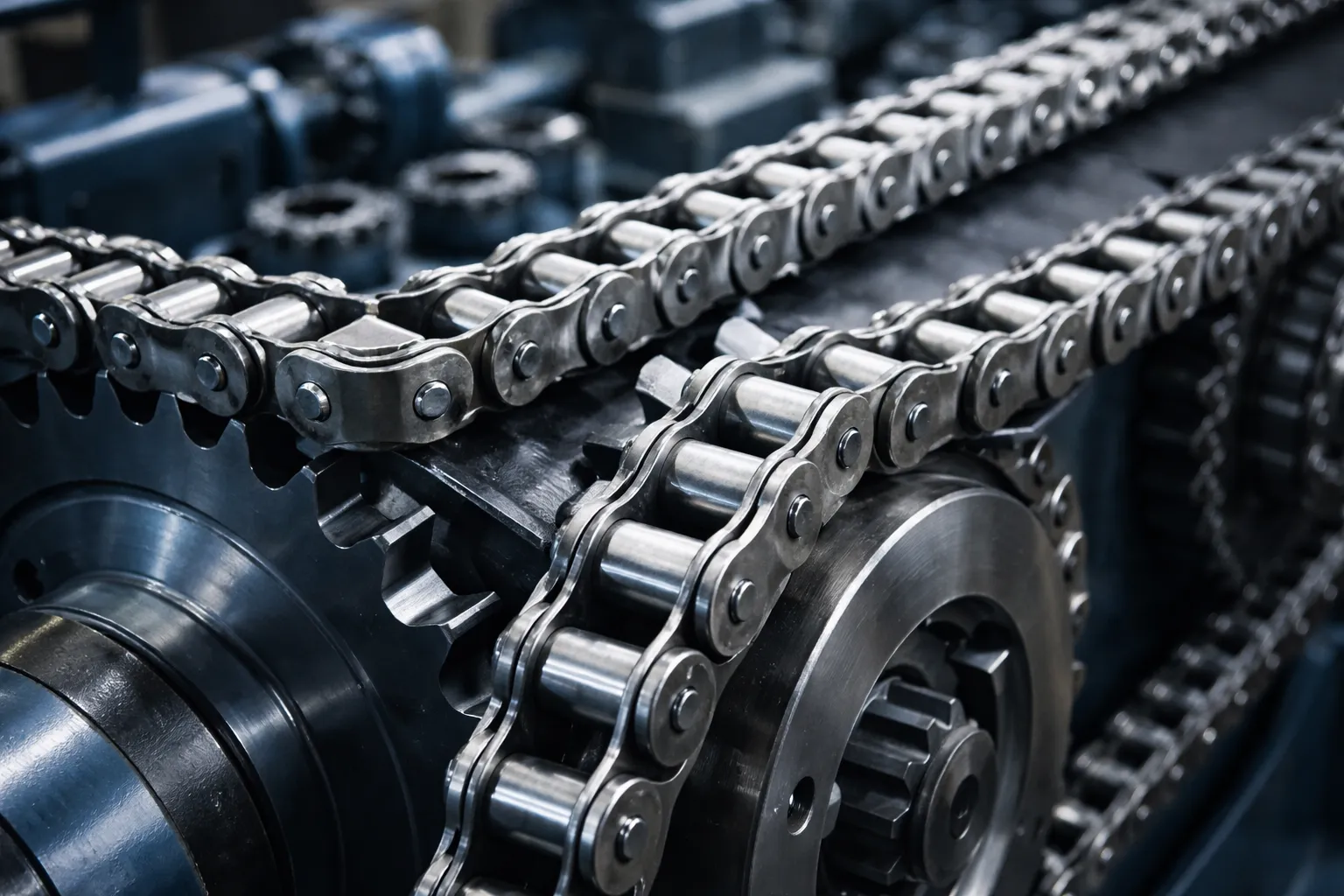
A roller chain is a mechanical device consisting of a series of interconnected components. They are widely used in various industrial fields, especially in systems that require the transmission of power and motion. The basic structure of a roller chain includes several key components: rollers, chain plates, and pins, which work together to drive the machine.
Historical Context and Evolution of Roller Chains
The origins of roller chains can be traced back to the late 19th century, during the Industrial Revolution, when the need for reliable power transmission systems became paramount. Early designs were rudimentary, lacking the precision and durability of modern roller chains. Over the decades, advancements in metallurgy and manufacturing technologies have revolutionized roller chain design, significantly improving their strength, efficiency, and lifespan.
Material Composition
Roller chains are typically made from materials including high-carbon steel, stainless steel, and various alloys. These alloys enhance the chain’s wear resistance, corrosion resistance, and fatigue resistance. The choice of material directly affects the chain’s performance and service life. For example, stainless steel chains are suitable for environments with high humidity and corrosive substances, while high-carbon steel chains are better suited for heavy-duty applications.
Types of Roller Chains
Roller chains come in various types, each designed for a specific application. The most common types include standard roller chains, heavy-duty roller chains, and specialty chains such as double roller chains and silent chains. Standard roller chains are widely used in conveyor systems, while heavy-duty roller chains are designed for industrial machinery subjected to high loads and high stresses.
Components of Roller Chains
Understanding the individual components of a roller chain is crucial for those involved in maintenance or upgrading these systems. Each part plays a specific role in the overall function of the chain.
Chain Links
Chain links are the fundamental building blocks of a roller chain. Each link consists of two plates connected by pins, forming a rigid structure that promotes flexibility and strength. The design of the link plate can vary, influencing the chain’s performance and ability to withstand certain conditions.
Rollers
Rollers are integral to the chain’s operation, facilitating smooth movement over sprockets. They are situated between the link plates and reduce friction during operation, thus enhancing efficiency. The diameter and material of the roller can significantly affect the chain’s performance, particularly in high-speed applications.
Pins
Pins serve as the pivot points for the chain links. They are crucial for maintaining the structural integrity of the chain while allowing for the necessary flexibility. The quality and hardness of the pins can determine the wear rate of the chain, especially in heavy-duty scenarios.
Applications of Roller Chains
Roller chains are ubiquitous across several industries, from manufacturing and agriculture to transportation and automotive sectors. Their versatility and reliability make them indispensable in numerous applications.
Manufacturing and Automation
In manufacturing, roller chains are employed in conveyor systems, where they facilitate the movement of materials and products along production lines. Their ability to handle heavy loads and operate under varying speeds makes them ideal for automated systems.
Agricultural Machinery
In agriculture, roller chains are commonly found in equipment such as tractors and harvesters. They transmit power from the engine to various operational components, ensuring that machinery functions efficiently under demanding conditions.
Transportation Systems
Within transportation systems, roller chains are utilized in various forms, from bicycles to industrial transport machinery. The ability to maintain strength while adapting to different operational speeds makes them a preferred choice for power transmission.
Key Considerations When Upgrading Your Roller Chain Systems
Upgrading roller chain systems requires careful consideration of several factors to ensure optimal performance and longevity.
Load Requirements
When assessing the need for an upgrade, it is essential to evaluate the load requirements of your application. Overloading a chain can lead to premature wear and failure. Understanding the specific load characteristics will guide the selection of the appropriate chain type and size.
Speed and Timing
Speed is another critical aspect; higher operational speeds can increase wear rates and necessitate a more robust chain design. Additionally, timing is important in applications where synchronization with other components is required. Upgrading to a chain that can accommodate these factors will enhance efficiency.
Environmental Conditions
The environment in which the roller chain operates plays a significant role in its performance. Factors such as humidity, temperature, and exposure to chemicals can affect the choice of materials and chain design. Selecting chains specifically designed for harsh conditions will reduce the likelihood of failure.
Maintenance Practices
An often-overlooked aspect of roller chain systems is maintenance. Upgrading may not only involve replacing the chain but also reviewing and enhancing maintenance practices. Regular inspection, lubrication, and adjustments can significantly extend the lifespan of a roller chain.
Cost Considerations
Finally, the cost is a fundamental consideration in any upgrade decision. While high-quality roller chains may have a higher initial cost, their longevity and reduced maintenance needs can lead to lower overall expenditures in the long run. Balancing upfront costs with potential savings is vital for making informed decisions.
Future Trends in Roller Chain Technology
As technology advances, the roller chain industry is poised for several trends that could reshape the landscape.
Smart Chains
The integration of smart technology into roller chains is on the horizon. Sensors that monitor wear, tension, and operational performance could revolutionize maintenance practices. By providing real-time data, these smart chains would allow for proactive maintenance, reducing downtime and improving efficiency.
Advanced Materials
The development of advanced materials will continue to play a pivotal role in enhancing the performance of roller chains. Research into composites and new alloys could lead to chains that are lighter, stronger, and more resistant to environmental challenges, thereby extending their lifespan and effectiveness.
Customization
Customization is also a growing trend. As industries become increasingly specialized, the demand for customized roller chain solutions tailored to specific operational challenges will increase. Manufacturers may offer custom designs to meet the unique needs of different industries.
By gaining a deep understanding of the composition, applications, and considerations for system upgrades of roller chains, businesses can improve operational efficiency and extend equipment lifespan. Staying informed about industry trends and the latest developments is crucial for maintaining a competitive edge.
Key Considerations When Upgrading Your Roller Chain Systems
Introduction to Roller Chain Systems
Roller chains are critical components in various mechanical systems, providing the necessary power transmission between shafts in diverse applications. The reliability and efficiency of these systems hinge on the quality and compatibility of the roller chains used. As industries evolve, the need to upgrade roller chain systems becomes imperative to maintain operational excellence.
Case Study: Upgrading a Manufacturing Facility’s Roller Chain System
Background
A mid-sized manufacturing facility specializing in conveyor systems faced persistent downtime issues attributed to their outdated roller chain systems. The existing chains, which had been in operation for over a decade, exhibited significant wear, leading to frequent replacements and costly maintenance. The facility decided to undertake a comprehensive analysis to evaluate potential upgrades and enhance reliability.
Identifying Areas for Improvement
The first step in the upgrade process involved identifying key areas that could be improved. The facility’s engineering team conducted a detailed analysis of the load requirements, environmental conditions, and operational speeds. They noted that the existing chains were not only outdated but also mismatched for the application’s demands.
Implementation Strategy
Installation Planning
The installation of the new roller chain system required meticulous planning. A detailed timeline was developed to minimize downtime during the transition. The engineering team scheduled the upgrade during a planned maintenance window, ensuring that all necessary components were available and that the installation crew was well-prepared.
Training and Integration
Prior to installation, the team organized training sessions for the maintenance personnel. Understanding the new chain’s specifications, maintenance requirements, and operational parameters was vital for seamless integration. The training emphasized the importance of periodic inspections and the use of advanced lubrication techniques to prolong the chain’s lifespan.
Results Post-Upgrade
Operational Efficiency
Following the installation, the manufacturing facility monitored the performance of the new roller chain system closely. The immediate results were promising. The upgraded chains operated smoothly at the increased speed of 600 RPM, and the load capacity was effectively utilized, enhancing overall productivity.
Maintenance and Downtime Analysis
The upgraded data shows a significant reduction in maintenance frequency. The new roller chain only needs lubrication every two months, compared to weekly previously. This not only saves valuable time but also reduces maintenance-related labor costs.
Furthermore, the failure rate plummeted to below 5% in the first year of operation, and average downtime was drastically reduced to just 5 hours per month. This improvement directly translates into increased productivity and operational efficiency.
Lessons Learned
Importance of Tailored Solutions
One of the critical takeaways from this case study is the importance of customizing roller chain systems to meet specific operational needs. The initial assessment phase proved invaluable in identifying inadequacies in the existing system, allowing for informed decisions regarding the upgrade.
Continuous Monitoring and Evaluation
Post-upgrade, continuous monitoring is essential. The facility implemented a robust tracking system for performance metrics, enabling proactive maintenance strategies and further optimization of the roller chain systems. Such practices ensure ongoing reliability and efficiency.
Future Considerations
As manufacturing plants look to future expansion and potential new applications, considerations for further upgrades remain crucial. Innovations in roller chain technology, such as the introduction of smart sensors for real-time monitoring, are likely to soon play a key role in maintaining operational excellence.
Investing in high-quality roller chains and adopting a strategic upgrade approach can yield significant long-term benefits. By prioritizing customized solutions, continuous evaluation, and proactive adoption of advanced technologies, plants can ensure their roller chain systems meet the demands of an evolving industry environment.
Case Study: Upgrading Roller Chain Systems in a Manufacturing Plant
In the rapidly changing manufacturing environment, operational efficiency is paramount. A prime example illustrates the importance of roller chain systems: a mid-sized automotive parts manufacturer’s existing roller chain system had become a production bottleneck and urgently needed to be addressed. This case study explores the plant’s decision to upgrade its roller chain system and its subsequent outcomes, including a detailed comparison of various performance indicators before and after the new system installation.
Initial Assessment of Existing Roller Chain Systems
The manufacturing plant had been using a standard roller chain system for nearly a decade. During this period, the chains exhibited accelerated wear and frequent breakdowns, resulting in significant downtime. A comprehensive analysis revealed several factors contributing to the inefficiency of the existing setup.
Decision to Upgrade Roller Chain Systems
After thorough discussions and evaluations, the management team decided to invest in heavy-duty roller chains engineered for high performance. The decision was predicated on the need to enhance load capacity, reduce downtime, and improve operational efficiency.
Installation and Implementation Process
The installation process was meticulously planned to minimize disruption to ongoing operations. A dedicated maintenance team was assembled to ensure a smooth transition.
Post-Upgrade Performance Analysis
Following the installation of the new roller chain system, a comprehensive analysis was conducted to assess the impact of the upgrade on operational performance.
Impact on Production and Operational Efficiency
With the new roller chains in place, the manufacturing plant experienced significant enhancements in production output and overall efficiency.
Increased Production Output
The increase in conveyor speed and load capacity translated directly into higher production volumes. The facility reported a 25% increase in output, allowing them to meet growing customer demands without the need for additional shifts or workforce expansion.
Cost Savings and Return on Investment
The reduction in maintenance costs and downtime contributed to substantial cost savings. The facility’s management estimated a return on investment (ROI) of approximately 150% within the first year of upgrading the roller chain system. Savings were observed in areas such as:
– Reduced labor hours spent on maintenance.
– Lower costs associated with emergency repairs and disruptions.
– Enhanced employee productivity due to fewer interruptions in the workflow.
Lessons Learned and Future Considerations
The successful upgrade of the roller chain system served as a valuable learning experience for the manufacturing plant. Key takeaways from the project included:
Importance of Regular Maintenance
While the new roller chains proved to be highly reliable, the experience underscored the necessity of ongoing maintenance practices to extend the lifespan of any roller chain system. Regular inspections and timely lubrication were vital to sustaining optimal performance.
Continuous Performance Monitoring
Implementing a system for continuous performance monitoring was identified as a crucial step for future upgrades. Utilizing sensors and data analytics could provide real-time insights into chain wear and operational efficiency, allowing for proactive maintenance strategies.
Collaboration with Manufacturers
Partnering with roller chain manufacturers to seek customized solutions is crucial. This collaboration ensures that the selected chains meet the specific operational needs of the plant, highlighting the importance of industry cooperation.
This case study illustrates how strategic upgrades to roller chain systems can improve the performance and efficiency of manufacturing environments and significantly reduce costs. By understanding the characteristics of roller chains and their critical role in production, companies can make informed decisions that drive operational success.
Key Considerations When Upgrading Your Roller Chain Systems
Introduction to Roller Chain Systems
Roller chains are critical components in various mechanical systems, providing the necessary power transmission between shafts in diverse applications. The reliability and efficiency of these systems hinge on the quality and compatibility of the roller chains used. As industries evolve, the need to upgrade roller chain systems becomes imperative to maintain operational excellence.
Case Study: Upgrading a Manufacturing Facility’s Roller Chain System
Background
A mid-sized manufacturing facility specializing in conveyor systems faced persistent downtime issues attributed to their outdated roller chain systems. The existing chains, which had been in operation for over a decade, exhibited significant wear, leading to frequent replacements and costly maintenance. The facility decided to undertake a comprehensive analysis to evaluate potential upgrades and enhance reliability.
Data Comparison: Before the Upgrade
Prior to the upgrade, the facility maintained a roller chain system with the following specifications:
- Chain Type: ANSI Standard 40 (1/2 inch pitch)
- Material: Carbon steel with no surface treatment
- Load Capacity: 1,500 lbs
- Operating Speed: 300 RPM
- Maintenance Frequency: Weekly lubrication and inspection
- Failure Rate: 15% every quarter due to elongation and surface wear
This configuration limited the operational efficiency and resulted in an average downtime of 20 hours per month.
Identifying Areas for Improvement
The first step in the upgrade process involved identifying key areas that could be improved. The facility’s engineering team conducted a detailed analysis of the load requirements, environmental conditions, and operational speeds. They noted that the existing chains were not only outdated but also mismatched for the application’s demands.
Upgrading Specifications
After evaluating various options, the team selected a new roller chain system with the following specifications:
- Chain Type: Heavy-duty roller chain with enhanced fatigue resistance
- Material: Alloy steel with heat treatment for surface hardness
- Load Capacity: 3,000 lbs
- Operating Speed: 600 RPM
- Maintenance Frequency: Bi-monthly lubrication and inspection
- Expected Failure Rate: Less than 5% annually due to improved durability
This upgrade aimed to reduce maintenance frequency, lower operational costs, and enhance productivity.
Implementation Strategy
Installation Planning
The installation of the new roller chain system required meticulous planning. A detailed timeline was developed to minimize downtime during the transition. The engineering team scheduled the upgrade during a planned maintenance window, ensuring that all necessary components were available and that the installation crew was well-prepared.
Training and Integration
Prior to installation, the team organized training sessions for the maintenance personnel. Understanding the new chain’s specifications, maintenance requirements, and operational parameters was vital for seamless integration. The training emphasized the importance of periodic inspections and the use of advanced lubrication techniques to prolong the chain’s lifespan.
Results Post-Upgrade
Operational Efficiency
Following the installation, the manufacturing facility monitored the performance of the new roller chain system closely. The immediate results were promising. The upgraded chains operated smoothly at the increased speed of 600 RPM, and the load capacity was effectively utilized, enhancing overall productivity.
Maintenance and Downtime Analysis
The upgraded data shows a significant reduction in maintenance frequency. The new roller chain only needs lubrication every two months, compared to weekly previously. This not only saves valuable time but also reduces maintenance-related labor costs. Furthermore, in the first year of operation, the failure rate plummeted to below 5%, significantly reducing average downtime to just 5 hours per month. This improvement directly translates into increased productivity and operational efficiency.
Lessons Learned
Importance of Tailored Solutions
One of the critical takeaways from this case study is the importance of customizing roller chain systems to meet specific operational needs. The initial assessment phase proved invaluable in identifying inadequacies in the existing system, allowing for informed decisions regarding the upgrade.
Continuous Monitoring and Evaluation
Post-upgrade, continuous monitoring is essential. The facility implemented a robust tracking system for performance metrics, enabling proactive maintenance strategies and further optimization of the roller chain systems. Such practices ensure ongoing reliability and efficiency.
Future Considerations
As manufacturing plants look to future expansion and potential new applications, considerations for further upgrades remain crucial. Innovations in roller chain technology, such as the introduction of smart sensors for real-time monitoring, are likely to soon play a key role in maintaining operational excellence. Investing in high-quality roller chains and adopting a strategic upgrade approach can yield significant long-term benefits. By prioritizing customized solutions, continuously evaluating, and proactively adopting technological advancements, plants can ensure their roller chain systems meet the demands of an evolving industry environment.
Case Study: Upgrading Roller Chain Systems in a Manufacturing Plant
In the dynamic landscape of manufacturing, operational efficiency is paramount. A notable case that exemplifies the importance of roller chain systems involved a medium-sized manufacturing plant specializing in automotive components. The facility faced challenges with its existing roller chain systems, which had become a bottleneck in production. This case study explores the decision to upgrade their roller chains and the subsequent outcomes, including a detailed comparison of performance metrics before and after the installation of new systems.
Initial Assessment of Existing Roller Chain Systems
The manufacturing plant had been using a standard roller chain system for nearly a decade. During this period, the chains exhibited accelerated wear and frequent breakdowns, resulting in significant downtime. A comprehensive analysis revealed several factors contributing to the inefficiency of the existing setup.
Performance Metrics Before Upgrade
Prior to the upgrade, the key performance indicators (KPIs) of the roller chain system were as follows:
– Load Capacity: The existing chains could handle a maximum load of 800 kg.
– Operational Speed: The average speed of the conveyor system was 45 meters per minute.
– Downtime: The chains experienced an average of 12 hours of downtime per month due to maintenance and failures.
– Maintenance Frequency: Maintenance was required every two weeks, consuming labor hours and resources.
The plant managers recognized that these performance metrics were insufficient for meeting production targets, especially given the increasing demand for automotive components.
Decision to Upgrade Roller Chain Systems
After thorough discussions and evaluations, the management team decided to invest in heavy-duty roller chains engineered for high performance. The decision was predicated on the need to enhance load capacity, reduce downtime, and improve operational efficiency.
Choosing the Right Roller Chains
The selection process involved consulting with roller chain manufacturers to identify chains that would cater to the specific requirements of the plant. Key considerations included:
– Material Composition: The new chains were made from high-carbon steel with advanced coatings to resist wear and corrosion.
– Design Features: The new chains incorporated larger rollers and optimized link designs to enhance flexibility and reduce frictional losses.
– Load Rating: The selected chains offered a load capacity of 1,200 kg, providing a significant increase over the existing system.
This decision to switch to a heavy-duty roller chain was based on the expectation of improved durability and performance.
Installation and Implementation Process
The installation process was meticulously planned to minimize disruption to ongoing operations. A dedicated maintenance team was assembled to ensure a smooth transition.
Pre-Installation Preparations
Before the new roller chains were installed, the following preparatory steps were taken:
– System Audit: An in-depth audit of the existing conveyor system was conducted to identify any structural issues that might affect the new chains’ performance.
– Training: The maintenance team received training on the new roller chain specifications and best practices for installation and maintenance.
This careful preparation set the stage for a successful upgrade.
Installation of New Roller Chains
The installation involved the following steps:
1. Removal of Old Chains: The existing roller chains were carefully removed, and all components were inspected for wear and damage.
2. Installation of New Chains: The new heavy-duty roller chains were installed, ensuring proper alignment and tensioning.
3. Testing Phase: A testing phase followed, where the system was run under various load and speed conditions to ensure optimal performance.
The installation process lasted approximately three days, and once completed, the plant was ready to resume full operations.
Post-Upgrade Performance Analysis
Following the installation of the new roller chain system, a comprehensive analysis was conducted to assess the impact of the upgrade on operational performance.
Performance Metrics After Upgrade
The performance metrics following the upgrade presented a stark contrast to the prior figures:
– Load Capacity: The new chains effectively handled loads up to 1,200 kg, allowing for more efficient material movement.
– Operational Speed: The conveyor speed increased to an average of 60 meters per minute, significantly enhancing throughput.
– Downtime: Downtime due to chain-related issues decreased to less than two hours per month, a remarkable improvement.
– Maintenance Frequency: Maintenance intervals extended to once every month, reflecting the reliability of the new chains.
This improvement in performance metrics showcased the tangible benefits of upgrading the roller chain system.
Impact on Production and Operational Efficiency
With the new roller chains in place, the manufacturing plant experienced significant enhancements in production output and overall efficiency.
Increased Production Output
The increase in conveyor speed and load capacity translated directly into higher production volumes. The facility reported a 25% increase in output, allowing them to meet growing customer demands without the need for additional shifts or workforce expansion.
Cost Savings and Return on Investment
The reduction in maintenance costs and downtime contributed to substantial cost savings. The facility’s management estimated a return on investment (ROI) of approximately 150% within the first year of upgrading the roller chain system. Savings were observed in areas such as:
– Reduced labor hours spent on maintenance.
– Lower costs associated with emergency repairs and disruptions.
– Enhanced employee productivity due to fewer interruptions in the workflow.
Lessons Learned and Future Considerations
The successful upgrade of the roller chain system served as a valuable learning experience for the manufacturing plant. Key takeaways from the project included:
Importance of Regular Maintenance
While the new roller chains proved to be highly reliable, the experience underscored the necessity of ongoing maintenance practices to extend the lifespan of any roller chain system. Regular inspections and timely lubrication were vital to sustaining optimal performance.
Continuous Performance Monitoring
Implementing a system for continuous performance monitoring was identified as a crucial step for future upgrades. Utilizing sensors and data analytics could provide real-time insights into chain wear and operational efficiency, allowing for proactive maintenance strategies.
Collaboration with Manufacturers
Partnering with roller chain manufacturers to seek customized solutions is crucial. This collaboration ensures that the selected chains meet the specific operational needs of the plant, highlighting the importance of industry cooperation.
This case study illustrates how strategic upgrades to roller chain systems can improve the performance and efficiency of manufacturing environments and significantly reduce costs. By understanding the characteristics of roller chains and their critical role in production, companies can make informed decisions that drive operational success.
edit by gzl