The Role of Roller Chains in Automated Systems for Precise Operations
What is a Roller Chain?
Roller chains are an indispensable component of mechanical design and engineering, playing a crucial role as the link between power transmission and motion in various automated systems. These chains consist of a series of interconnected cylindrical rollers, designed to facilitate motion and distribute loads across multiple points. The ingenuity of roller chains lies not only in their mechanical design but also in their adaptability to a wide range of applications, making them indispensable in many fields, from manufacturing to the automotive industry.
Structure and Functionality
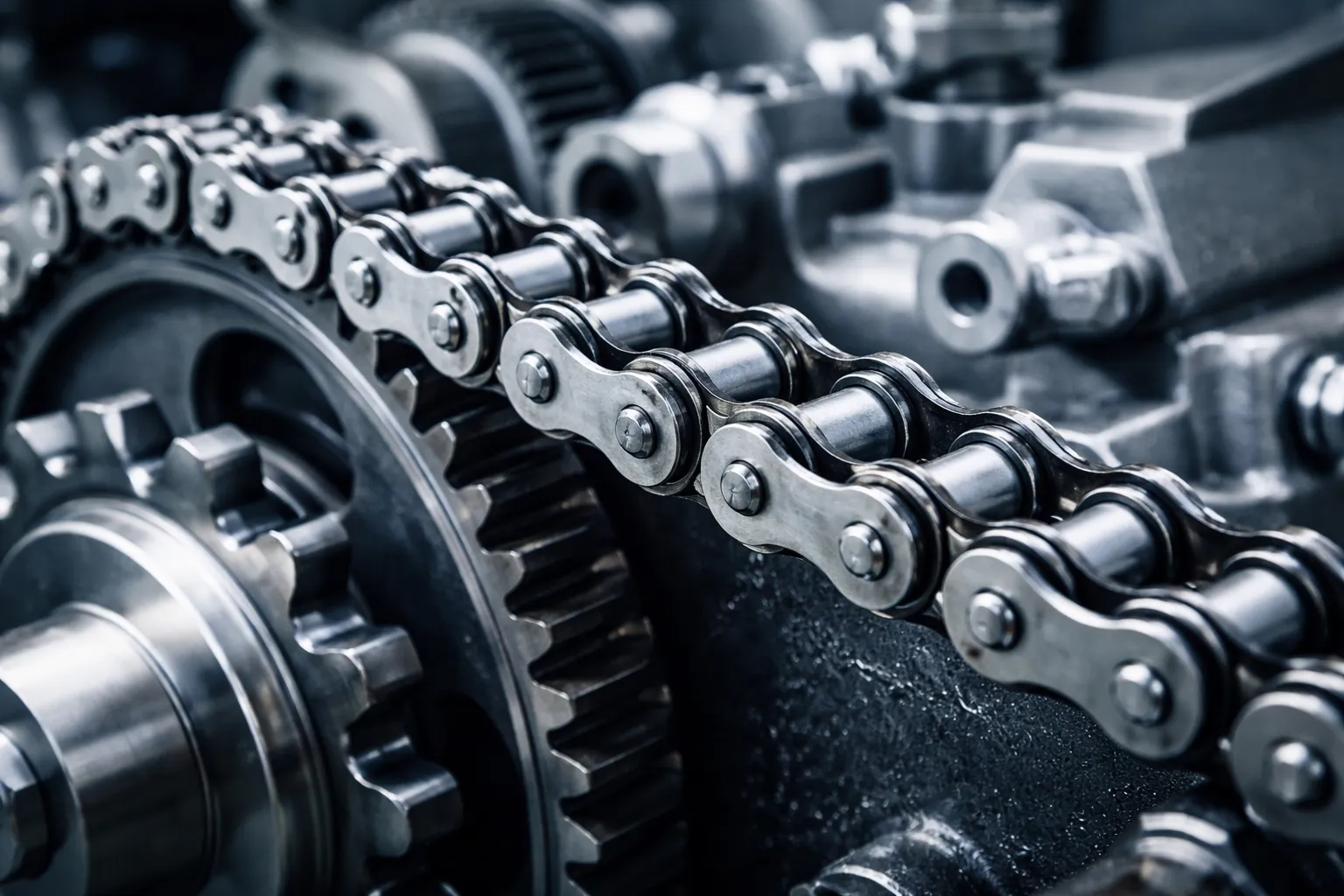
The core of roller chain design lies in its unique structure, typically composed of inner links, outer links, rollers, and bushings. The inner links form the core of the chain, while the outer links provide essential lateral stability. Each roller, positioned between the links, reduces friction and wear, resulting in smooth chain movement on the sprocket. This design facilitates efficient power transmission, converting rotary motion into linear motion with extremely high precision.
The operating principle of roller chains utilizes tension and torque. The tension generated when the chain winds around the sprocket ensures that power is efficiently transmitted from the drive component to the driven component. As the sprocket rotates, it drives the rollers to mesh, creating a continuous cycle in the chain. This dynamic interaction minimizes the energy losses common in traditional belt drives, thereby improving the overall system efficiency.
Varieties of Roller Chains
The versatility of roller chain designs caters to a wide range of specific applications and operational needs. ANSI (American National Standards Institute) chains are common in North America, characterized by standardized roller dimensions and pitch. Due to their robustness and reliability, these chains are frequently used in agricultural equipment, conveyors, and general machinery.
On the other hand, ISO (International Organization for Standardization) chains are more prevalent in Europe and other international markets. Their dimensional standards ensure compatibility between different systems, thus promoting global interoperability. Furthermore, there are specialty chains designed for high-speed applications or corrosive environments, fully demonstrating the versatility of roller chain technology.
Applications in Automated Systems
The deployment of roller chains in automated systems is a testament to their engineering prowess. These chains are pivotal in industries such as manufacturing, where precision and reliability are non-negotiable. Automated assembly lines, conveyor systems, and robotic arms leverage roller chains to facilitate seamless operation, contributing to enhanced productivity and reduced downtime.
Manufacturing and Assembly Lines
In manufacturing, roller chains play a crucial role in conveying heavy components and materials. Conveying systems typically employ roller chains due to their high strength, durability, and ability to transport goods along predetermined paths. Products maintain synchronized movement throughout all stages of production, enabling efficient assembly and minimizing human intervention.
Assembly lines demand unparalleled precision. Any abnormal movement or delay can lead to significant production bottlenecks. Roller chains maintain tension and alignment, mitigating such risks and allowing manufacturers to adhere strictly to production schedules. Furthermore, the long service life and low maintenance costs of roller chains further enhance their advantages in automated systems.
Robotic Applications
The application of roller chains in robotics marks a significant advancement in automated operations. Robotic arms equipped with roller chains exhibit greater flexibility and precision in tasks such as welding, painting, and material handling. The shock resistance and load adaptability of roller chains contribute to improved stability and reliability of robotic systems.
Furthermore, the adaptability of roller chains allows them to be used in complex motion paths. In scenarios requiring multi-axis motion, roller chains can be configured to specific design requirements, providing the necessary flexibility without compromising performance. This level of customization is particularly important for industries where precision machining and assembly are critical.
Advantages of Using Roller Chains
The advantages of roller chains extend beyond mere functionality; they encompass aspects of efficiency, cost-effectiveness, and sustainability. The inherent design of roller chains promotes smooth operation, reducing friction and wear, which ultimately leads to longer service life. Additionally, their capacity to transmit high loads over extended distances without significant energy loss positions them as a preferred choice in power transmission applications.
Energy Efficiency
One of the standout features of roller chains is their energy efficiency. By minimizing friction through the use of rollers, these chains require less power to operate compared to traditional drive systems. This efficiency translates into reduced energy consumption, fostering not only cost savings but also a lower environmental impact. As industries increasingly prioritize sustainability, the adoption of energy-efficient technologies like roller chains becomes paramount.
Cost-Effectiveness
From a financial perspective, roller chains offer a highly attractive return on investment. Their durability and abrasion resistance extend their service life, reducing the need for frequent replacements. In environments where equipment uptime is critical, such as manufacturing and processing plants, roller chains provide a reliable solution that minimizes operational disruptions.
Furthermore, roller chains can withstand harsh environments—whether extreme temperatures, corrosive substances, or heavy loads—enhancing their appeal across a wide range of applications. This resilience ensures that businesses can rely on the stable performance of roller chains even in demanding environments.
Challenges and Considerations
Despite their numerous advantages, the implementation of roller chains is not without challenges. Precision engineering is required to ensure that chains are correctly sized and tensioned to avoid issues such as slippage or misalignment. Regular maintenance and monitoring of roller chains are essential to prevent premature wear and maintain optimal performance.
Maintenance Practices
To prolong the lifespan of roller chains, adhering to proper maintenance practices is crucial. This includes regular lubrication to reduce friction, periodic inspections for signs of wear or damage, and ensuring that the chain is adequately tensioned. Implementing a proactive maintenance schedule can significantly extend the operational life of roller chains, minimizing unexpected failures and associated costs.
Future Trends in Roller Chain Technology
As industries evolve, the technology surrounding roller chains continues to advance. Material innovations, such as the development of corrosion-resistant coatings or lightweight composite materials, are on the horizon. These advancements aim to improve the performance and lifespan of roller chains while meeting the growing demands of modern automation systems.
In the future, intelligent technologies may also be integrated into roller chain systems. Sensors monitoring tension, wear, and overall performance can provide operators with real-time data, enabling predictive maintenance and further reducing downtime. This shift towards automation and data-driven decision-making will redefine the role of roller chains in automation systems.
Roller chains remain a cornerstone of modern engineering, seamlessly integrating into automation systems for precise operation. Their robust design, efficient energy utilization, and adaptability ensure that roller chains will continue to play a crucial role across industries for years to come. As technology advances and industries evolve, roller chains will undoubtedly adapt, maintaining their position as a vital component of future machinery.
The Role of Roller Chains in Automated Systems for Precise Operations
Introduction
Roller chains have long served as a cornerstone in mechanical transmission systems, facilitating efficient power transfer across various automated applications. As industries lean towards automation to enhance productivity and precision, understanding the intricacies of roller chain systems is paramount. This article delves into a specific case study highlighting the effectiveness of roller chains in automated environments.
Case Study: Automated Assembly Line in the Automotive Sector
Background
In a prominent automotive manufacturing facility, an initiative was taken to revamp the assembly line to increase throughput and reduce operational inefficiencies. The existing system employed a traditional belt-driven mechanism, which presented several challenges, including slippage, wear, and maintenance concerns. The management opted for a roller chain-based system, anticipating improvements in performance metrics.
Operational Advantages of Roller Chains
Durability and Longevity
Roller chains are renowned for their robustness and resilience. The fatigue resistance achieved through proper material selection and manufacturing processes ensures a lifespan that often surpasses that of traditional systems. In the automotive case, the anticipated lifespan of the roller chains was projected at 10 years, compared to the 3-5 years of the previous belt system.
Reduced Maintenance Intervals
One of the most significant advantages realized was the reduction in maintenance requirements. The automatic lubrication feature significantly decreased the frequency of manual checks and lubrication intervals. This not only optimized operational efficiency but also reduced labor costs associated with maintenance.
Precision in Power Transmission
The accuracy of power transmission in roller chain systems is pivotal, especially in applications where timing is crucial. The consistent engagement with sprockets ensures synchronized operations, which is vital in high-speed assembly lines. The automotive assembly line benefited from this precision, leading to a reduction in component misalignment and associated defects.
Challenges and Considerations
Installation Challenges
While the transition to roller chains offered numerous benefits, it was not without challenges. The installation phase required recalibrating existing machinery to ensure alignment with the new sprocket systems. This undertaking necessitated skilled labor to avoid misalignment, which could lead to premature wear.
Operational Environment Factors
The working environment also plays a significant role in roller chain performance. Factors such as temperature fluctuations, humidity, and exposure to contaminants can impact the integrity of the chains. Therefore, the facility implemented protective measures, including guards and regular environment assessments, to mitigate these risks.
Future Implications for Automated Systems
The successful implementation of roller chains in this automotive assembly line offers a glimpse into the future of automated systems. As industries evolve, the demand for precision and efficiency will only grow. Roller chains, with their impressive load capacity and operational efficiency, are poised to meet these demands head-on.
Technological Advancements
Emerging technologies such as the Internet of Things (IoT) and predictive maintenance systems will further enhance the performance of roller chains. By integrating sensors into the system, real-time data can be collected, allowing for insights into wear patterns and potential problems before failures occur.
In summary, roller chains have proven invaluable in automation systems, especially in high-risk environments such as automotive manufacturing. The case studies outlined in this article demonstrate that roller chains not only improve operational efficiency and reliability but also pave the way for the future development of automation technologies. The transition from traditional systems to roller chains not only delivers immediate benefits but also sets a precedent for continued innovation in this field.
Case Study: Enhancing Production Efficiency with Roller Chains in a Food Processing Plant
Introduction
In the competitive landscape of food processing, maintaining production efficiency is paramount. A mid-sized food processing plant specializing in packaged snacks faced significant challenges in its production line. Frequent downtimes, inconsistent product quality, and high maintenance costs plagued the operation. A comprehensive overhaul of the power transmission system became imperative. This case study delves into how the implementation of high-quality roller chains revolutionized the plant’s operational efficiency.
Operational Advantages of Roller Chains
The advantages observed extended beyond statistical improvements. Several operational factors contributed to the overall success of the roller chain system.
Enhanced Load Distribution
The design of roller chains allowed for efficient load distribution across multiple points, significantly reducing stress on individual components. This feature minimized wear and tear, resulting in fewer breakdowns and extended intervals between maintenance.
Reduced Friction and Energy Loss
The incorporation of rollers within the chain directly addressed the friction issues present in the previous belt system. As a result, the operational energy requirements diminished, leading to a decrease in overall energy costs. The plant’s commitment to sustainability was further supported by this reduction in energy consumption.
Real-world Application Scenarios
To illustrate the versatility of roller chains, various scenarios were analyzed where roller chains significantly improved operations.
High-Speed Packaging Systems
In the packaging department, where precision and speed are critical, roller chains enabled synchronized motion between conveyors and packaging machines. This synchronization eliminated bottlenecks, ensuring a continuous flow of products. As a result, the plant was able to increase production volume without compromising quality.
Adaptability in Harsh Environments
The food processing industry often presents unique challenges, including exposure to moisture and cleaning agents. The roller chains’ anti-corrosive coating provided the necessary durability, allowing them to withstand the harsh conditions without degrading performance. This adaptability led to increased reliability in all operational facets.
Maintenance and Longevity of Roller Chains
Post-installation, a systematic maintenance schedule was established to ensure the longevity of the roller chain system.
Routine Inspections
Regular inspections were implemented to monitor chain tension, wear patterns, and lubrication levels. Such proactive measures allowed for timely adjustments, preventing any potential issues from escalating into major failures.
Training and Awareness
Staff training emphasized the importance of maintenance practices, fostering a culture of care and vigilance among operators. This shift in mindset contributed to an overall increase in operational efficiency and a sense of ownership in maintaining the production line.
Future Considerations and Innovations
As food processing plants continue to evolve, further improvements are on the agenda. Future plans include:
– Smart Monitoring Technology: Exploring the integration of IoT devices into roller chains to monitor their performance metrics in real time. This technology provides in-depth insights into wear and operational efficiency, enabling the development of predictive maintenance strategies.
– Materials Innovation: Researching the application of composite materials in roller chains to achieve lighter weight and higher strength, thereby further improving energy efficiency.
– Expanding Roller Chain Applications: Exploring dedicated roller chains suitable for other processes, such as freeze-drying, to fully leverage their robustness across the entire production line.
This case study clearly demonstrates the crucial role of roller chains in revolutionizing automation systems in the food processing industry. Roller chains have achieved significant improvements in efficiency, energy consumption, and maintenance costs, becoming an indispensable and valuable asset in modern manufacturing practices. Advanced engineering and superior adaptability make roller chains the preferred choice for industries seeking to enhance operational capabilities.
The Role of Roller Chains in Automated Systems for Precise Operations
Introduction
Roller chains have long served as a cornerstone in mechanical transmission systems, facilitating efficient power transfer across various automated applications. As industries lean towards automation to enhance productivity and precision, understanding the intricacies of roller chain systems is paramount. This article delves into a specific case study highlighting the effectiveness of roller chains in automated environments.
Case Study: Automated Assembly Line in the Automotive Sector
Background
In a prominent automotive manufacturing facility, an initiative was taken to revamp the assembly line to increase throughput and reduce operational inefficiencies. The existing system employed a traditional belt-driven mechanism, which presented several challenges, including slippage, wear, and maintenance concerns. The management opted for a roller chain-based system, anticipating improvements in performance metrics.
Pre-Implementation Data Analysis
Prior to the transition, a comprehensive analysis of the existing system was undertaken. Key performance indicators were established, focusing on speed, torque, and overall energy consumption:
– Speed: The average operational speed recorded was 15 meters per minute.
– Torque: The belt-driven system struggled with a torque output of 120 Nm, insufficient for the heavy components being maneuvered.
– Energy Consumption: The system consumed approximately 25 kWh per shift, primarily due to frictional losses.
These preliminary metrics set the stage for a comparative evaluation post-implementation.
Transitioning to Roller Chains
The new system incorporated high-grade roller chains designed specifically for heavy-duty applications. The specifications included:
– Material: Alloy steel with superior tensile strength.
– Pitch: 12.7 mm to ensure compatibility with existing sprockets.
– Lubrication: Automatic lubrication systems to minimize wear and prolong lifespan.
Installation of roller chains involved meticulous planning. The assembly line was briefly halted while the transition took place, ensuring minimal operational disruption.
Post-Implementation Performance Metrics
After the installation of the roller chain system, an extensive performance review was conducted to gauge improvements:
– Speed: The operational speed surged to 25 meters per minute, a 66% increase, allowing for greater throughput.
– Torque: The enhanced torque output reached 180 Nm, providing the necessary strength to handle heavier components without slipping.
– Energy Consumption: Surprisingly, the shift energy consumption dropped to approximately 18 kWh, translating to a 28% reduction in energy costs.
These metrics illustrate the tangible benefits roller chains brought to the automated assembly line.
Operational Advantages of Roller Chains
Durability and Longevity
Roller chains are renowned for their robustness and resilience. The fatigue resistance achieved through proper material selection and manufacturing processes ensures a lifespan that often surpasses that of traditional systems. In the automotive case, the anticipated lifespan of the roller chains was projected at 10 years, compared to the 3-5 years of the previous belt system.
Reduced Maintenance Intervals
One of the most significant advantages realized was the reduction in maintenance requirements. The automatic lubrication feature significantly decreased the frequency of manual checks and lubrication intervals. This not only optimized operational efficiency but also reduced labor costs associated with maintenance.
Precision in Power Transmission
The accuracy of power transmission in roller chain systems is pivotal, especially in applications where timing is crucial. The consistent engagement with sprockets ensures synchronized operations, which is vital in high-speed assembly lines. The automotive assembly line benefited from this precision, leading to a reduction in component misalignment and associated defects.
Challenges and Considerations
Installation Challenges
While the transition to roller chains offered numerous benefits, it was not without challenges. The installation phase required recalibrating existing machinery to ensure alignment with the new sprocket systems. This undertaking necessitated skilled labor to avoid misalignment, which could lead to premature wear.
Operational Environment Factors
The working environment also plays a significant role in roller chain performance. Factors such as temperature fluctuations, humidity, and exposure to contaminants can impact the integrity of the chains. Therefore, the facility implemented protective measures, including guards and regular environment assessments, to mitigate these risks.
Future Implications for Automated Systems
The successful implementation of roller chains in this automotive assembly line offers a glimpse into the future of automated systems. As industries evolve, the demand for precision and efficiency will only grow. Roller chains, with their impressive load capacity and operational efficiency, are poised to meet these demands head-on.
Technological Advancements
Emerging technologies such as the Internet of Things (IoT) and predictive maintenance systems will further enhance the performance of roller chains. By integrating sensors into the system, real-time data can be collected, enabling insights into wear patterns and potential problems before failures occur.
The application of roller chains in automated systems marks a significant shift in manufacturing processes. As case studies demonstrate, adopting these mechanical innovations is not merely about increasing speed and efficiency, but about building a more sustainable and reliable future in industrial operations. The integration of roller chains symbolizes a commitment to high-quality engineering, driving standards up in the automotive industry and beyond. Through meticulous analysis and strategic implementation, manufacturers can fully realize the potential of roller chains, paving the way for a new era of automated systems that balance precision and durability. Emerging technologies such as the Internet of Things (IoT) and predictive maintenance systems will further enhance the performance of roller chains. By integrating sensors into the system, real-time data can be collected, enabling insights into wear patterns and potential problems before failures occur.
The evolution of roller chains in automated systems marks a significant shift in manufacturing processes. As case studies demonstrate, adopting these mechanical innovations is not merely about increasing speed and efficiency, but about laying the foundation for a sustainable and reliable future in industrial operations. The integration of roller chains embodies a commitment to high-quality engineering, driving standards up in the automotive industry and beyond. Through meticulous analysis and strategic implementation, manufacturers can fully realize the potential of roller chains, paving the way for a new era of automated systems that balance precision and durability.
Case Study: Enhancing Production Efficiency with Roller Chains in a Food Processing Plant
Introduction
In the competitive landscape of food processing, maintaining production efficiency is paramount. A mid-sized food processing plant specializing in packaged snacks faced significant challenges in its production line. Frequent downtimes, inconsistent product quality, and high maintenance costs plagued the operation. A comprehensive overhaul of the power transmission system became imperative. This case study delves into how the implementation of high-quality roller chains revolutionized the plant’s operational efficiency.
Initial Assessment and Data Analysis
Before the installation of roller chains, the plant relied on a traditional belt drive system. An extensive analysis was conducted over three months to gather baseline data on operational performance. Key performance indicators included:
– Downtime Instances: 15 occurrences per month due to belt slippage and maintenance.
– Production Speed: Averaged 250 units per hour, impacted by inconsistent motion.
– Energy Consumption: Recorded at 250 kWh per day, largely due to frictional losses.
– Maintenance Costs: Approximately $5,000 per month due to frequent belt replacements and repairs.
The findings underscored the need for a more efficient solution, leading the plant management to seek alternatives that could enhance reliability and reduce operational costs.
Selection of Roller Chains
After thorough research, the decision was made to implement ANSI-standard roller chains known for their robust design and efficiency. The selected chains were manufactured with advanced materials that provided superior wear resistance and energy efficiency. The specifications included:
– Chain Type: ANSI 40 roller chain
– Pitch Size: 1 inch
– Material: High-carbon steel with an anti-corrosive coating
– Load Capacity: Designed to handle up to 800 kg
The installation of roller chains was projected to improve not only the production speed but also the longevity of the power transmission system.
Implementation Process
The installation process took place over a weekend to minimize disruption. The old belt drive system was dismantled, and the new roller chains were meticulously installed along with corresponding sprockets. The installation involved:
– Alignment Checks: Ensuring sprockets were aligned with precision to prevent misalignment issues.
– Tension Adjustment: Proper tensioning of the roller chains was critical to facilitate smooth operations.
– Lubrication Application: The chains were lubricated with high-performance oil to reduce friction from the outset.
Training sessions for the operational staff were conducted to familiarize them with the new system, focusing on monitoring tension and periodic maintenance.
Performance Metrics Post-Installation
Once operational, the new roller chain system demonstrated remarkable improvements. Over the subsequent three months, the following data was collected:
– Downtime Instances: Reduced to 2 occurrences per month, attributed to improved reliability.
– Production Speed: Increased to 350 units per hour, showcasing the enhanced efficiency of the roller chains.
– Energy Consumption: Dropped to 190 kWh per day, indicating a significant reduction in frictional losses.
– Maintenance Costs: Decreased to $1,200 per month as fewer replacements and repairs were required.
The data highlighted a transformative impact on the plant’s operations, validating the decision to implement roller chains.
Operational Advantages of Roller Chains
The advantages observed extended beyond statistical improvements. Several operational factors contributed to the overall success of the roller chain system.
Enhanced Load Distribution
The design of roller chains allowed for efficient load distribution across multiple points, significantly reducing stress on individual components. This feature minimized wear and tear, resulting in fewer breakdowns and extended intervals between maintenance.
Reduced Friction and Energy Loss
The incorporation of rollers within the chain directly addressed the friction issues present in the previous belt system. As a result, the operational energy requirements diminished, leading to a decrease in overall energy costs. The plant’s commitment to sustainability was further supported by this reduction in energy consumption.
Real-world Application Scenarios
To illustrate the versatility of roller chains, various scenarios were analyzed where roller chains significantly improved operations.
High-Speed Packaging Systems
In the packaging department, where precision and speed are critical, roller chains enabled synchronized motion between conveyors and packaging machines. This synchronization eliminated bottlenecks, ensuring a continuous flow of products. As a result, the plant was able to increase production volume without compromising quality.
Adaptability in Harsh Environments
The food processing industry often presents unique challenges, including exposure to moisture and cleaning agents. The roller chains’ anti-corrosive coating provided the necessary durability, allowing them to withstand the harsh conditions without degrading performance. This adaptability led to increased reliability in all operational facets.
Maintenance and Longevity of Roller Chains
Post-installation, a systematic maintenance schedule was established to ensure the longevity of the roller chain system.
Routine Inspections
Regular inspections were implemented to monitor chain tension, wear patterns, and lubrication levels. Such proactive measures allowed for timely adjustments, preventing any potential issues from escalating into major failures.
Training and Awareness
Staff training emphasized the importance of maintenance practices, fostering a culture of care and vigilance among operators. This shift in mindset contributed to an overall increase in operational efficiency and a sense of ownership in maintaining the production line.
Future Considerations and Innovations
As food processing plants continue to evolve, further improvements are on the agenda. Future plans include:
– Smart Monitoring Technology: Exploring the integration of IoT devices to monitor roller chain performance metrics in real time. This technology provides in-depth insights into wear and operational efficiency, enabling the development of predictive maintenance strategies.
– Materials Innovation: Researching the application of composite materials in roller chains to achieve lighter weight and higher strength, thereby further improving energy efficiency.
– Expanding Roller Chain Applications: Exploring dedicated roller chains suitable for other processes, such as freeze-drying, to fully leverage their robustness across the entire production line.
This case study clearly demonstrates the crucial role of roller chains in revolutionizing automation systems in the food processing industry. Roller chains have achieved significant improvements in efficiency, energy consumption, and maintenance costs, becoming an indispensable and valuable asset in modern manufacturing practices. Advanced engineering and superior adaptability make roller chains the preferred choice for industries seeking to enhance operational capabilities.
edit by gzl