What is a Roller Chain?
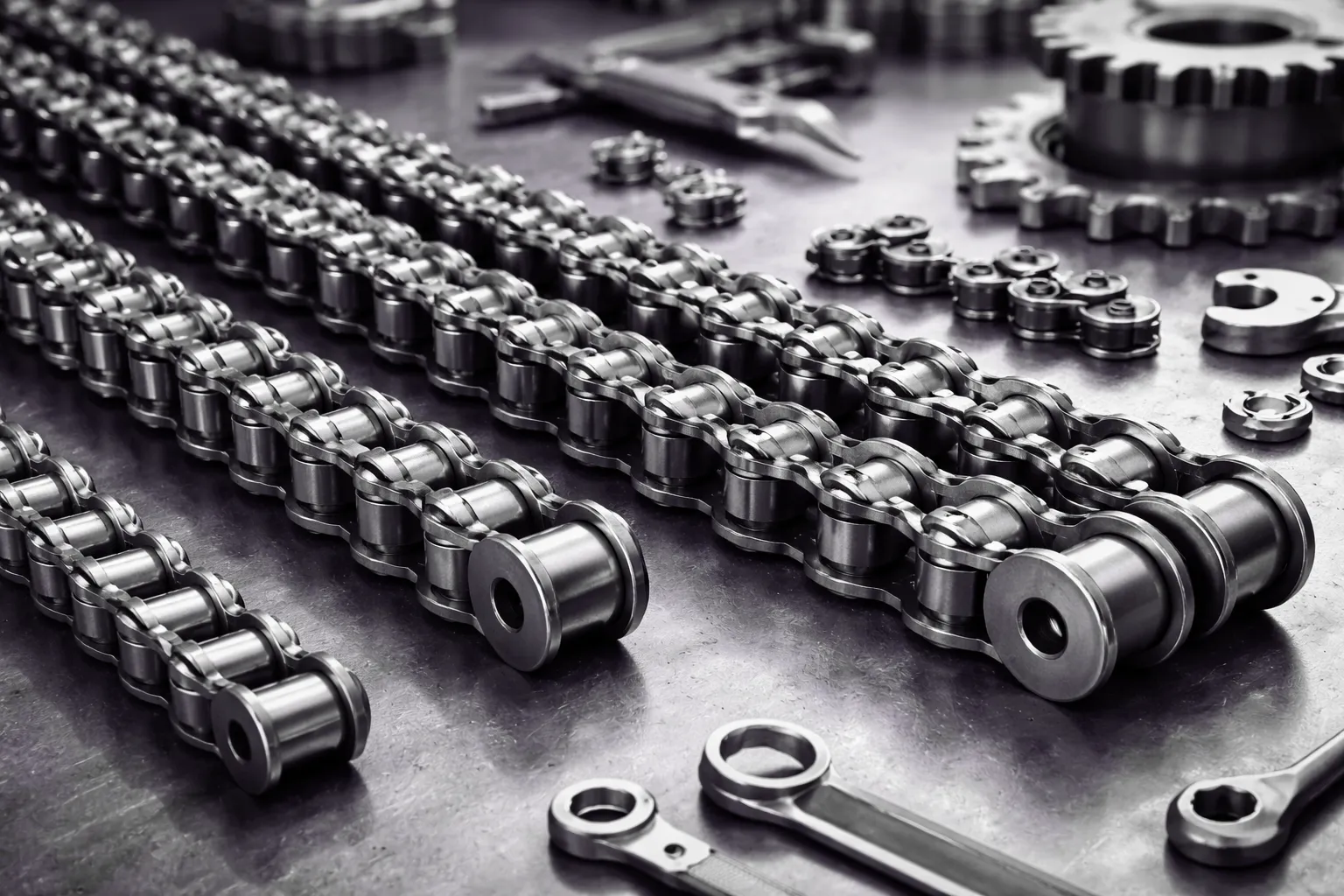
Roller chains are indispensable components in various mechanical systems, primarily used for power and motion transmission. Composed of interconnected metal links, roller chains operate efficiently in numerous industrial applications, ranging from automotive engines to conveyor systems. The basic design of a roller chain consists of alternating rollers and chain plates, achieving smooth movement and minimizing friction. We will now delve into the complex structure of roller chains, including their construction, applications, advantages, and maintenance.
The Anatomy of a Roller Chain
1. Basic Components
A roller chain typically comprises several key components that work together seamlessly. The primary components include:
- Inner Links: These links are equipped with bushings and pins that allow for rotation and flexibility.
- Outer Links: These links connect to the inner links and provide the structure needed to maintain the chain’s integrity.
- Rollers: Positioned between the inner links, rollers facilitate smooth movement along sprockets.
- Sprockets: These toothed wheels engage with the rollers, transmitting rotational motion.
2. Chain Sizes and Standards
Roller chains come in various sizes and specifications, adhering to international standards such as ANSI and ISO. The size of a roller chain is often denoted by its pitch, which is the distance between the centers of two consecutive pins. Common sizes include 1/4”, 3/8”, 1/2”, and larger, each suited for specific applications depending on the load requirements and speed of operation.
Applications of Roller Chains
1. Industrial Machinery
Roller chains are widely used in industrial machinery as a reliable power transmission method. They are an indispensable part of systems such as assembly lines, driving conveyor belts to transport goods. The robustness and efficiency of roller chains make them ideal for heavy-duty applications, including manufacturing and packaging industries.
2. Automotive Engineering
Within the automotive industry, roller chains play a pivotal role in engine timing mechanisms. They ensure that the camshaft and crankshaft operate in synchrony, a critical aspect for optimal engine performance. The precision and reliability of roller chains in this context are indispensable, as any failure could result in catastrophic engine damage.
3. Agricultural Equipment
In agriculture, roller chains are utilized in various machinery, including tractors and harvesters. These chains facilitate the operation of key components such as drive shafts and cutting mechanisms. The durability of roller chains against environmental stressors, such as dirt and moisture, enhances their suitability for agricultural applications.
Advantages of Using Roller Chains
1. Efficiency and Power Transmission
One of the most significant advantages of roller chains is their highly efficient power transmission performance. They can transmit power over long distances with minimal energy loss. This design allows them to maintain low friction while operating at high speeds. This efficiency translates into reduced wear on the chain and drive components, ultimately lowering operating costs.
2. Versatility
Roller chains are highly versatile, capable of functioning in various orientations and environments. Whether in horizontal, vertical, or inclined applications, they maintain performance integrity. This adaptability makes them suitable for diverse industries, from food processing to mining.
3. Cost-Effectiveness
When evaluated against other power transmission mechanisms, such as belts and gears, roller chains tend to be more cost-effective in terms of both initial investment and long-term maintenance. Their robust construction and durability lead to extended service life, making them a financially prudent choice for many businesses.
Maintenance Practices for Roller Chains
1. Regular Inspection
Routine inspections of roller chains are crucial for identifying wear and ensuring optimal performance. Technicians should check for elongation, which can indicate that the chain is nearing the end of its service life. A stretched chain can lead to misalignment and increased wear on sprockets, necessitating timely replacement.
2. Lubrication
Effective lubrication is vital for minimizing friction and preventing wear. Chains should be lubricated regularly with appropriate lubricants, which can vary based on the operating environment. In high-temperature or corrosive environments, special lubricants may be required to maintain performance and longevity.
3. Tension Adjustment
Maintaining the correct tension in a roller chain is essential for optimal operation. A chain that is too loose can lead to chain derailment, while a chain that is too tight may place excessive strain on the motor or sprockets. Regular tension checks and adjustments are necessary to preserve the system’s integrity.
Innovations in Roller Chain Technology
1. Material Advancements
Recent advancements in materials science have led to the development of roller chains made from high-strength alloys and composite materials. These innovations have resulted in chains that offer enhanced durability, reduced weight, and improved resistance to environmental stressors.
2. Coating Technologies
The introduction of advanced coating technologies has significantly improved the performance of roller chains. Coatings such as nickel plating or polymer films enhance resistance to corrosion and wear, thereby extending the lifespan of the chain. These technologies also contribute to reduced maintenance requirements.
3. Smart Technology Integration
The application of smart technology in roller chain systems is becoming increasingly widespread. Sensors can monitor chain tension, lubrication levels, and overall performance indicators in real time. This data-driven approach enables proactive maintenance, reduces the risk of unexpected failures, and optimizes production efficiency.
Understanding roller chains is crucial for maximizing productivity in a variety of industrial applications. Their unique structure, efficient power transmission capabilities, and adaptability make them an indispensable component of many mechanical systems. By implementing proper maintenance practices and keeping pace with technological advancements, businesses can leverage roller chains to improve operational efficiency and reduce costs.
Maximizing Productivity with High-Performance Roller Chain Solutions
Manufacturing is the cornerstone of the global economy, and within this vast industrial chain, roller chains play a crucial role in the operation of machinery and products. Traditionally, many manufacturers have relied on standard roller chain solutions, but these solutions often fail to meet the demands of modern production lines. This article explores the transformative impact of high-performance roller chain solutions through a case study, highlighting the significant improvements they achieve in production and operational efficiency.
Understanding the Performance Gap
Before delving into the specific details of the case study, we first need to understand the components of a high-performance roller chain and how it differs from a standard roller chain. Standard roller chains typically experience wear and fatigue over time, leading to increased maintenance costs and downtime. In contrast, high-performance roller chains utilize superior materials and advanced manufacturing processes, resulting in significantly improved durability and efficiency.
Case Background
Our focus for this case study is a mid-sized automotive parts manufacturer, “AutoPart Pro,” which was experiencing significant challenges with productivity. The company had been using a standard roller chain system for their conveyor assembly lines. The inefficiencies they encountered were evident:
- Frequent maintenance interruptions due to chain wear
- Higher energy consumption
- Inconsistent production output
Prior to the implementation of high-performance roller chains, AutoPart Pro recorded the following data:
- Average maintenance downtime: 12 hours per week
- Energy consumption: 150 kWh per day
- Production output: 500 units per shift
Transitioning to High-Performance Solutions
Recognizing the need for a change, AutoPart Pro partnered with UK Roller Chain Manufacturers for a comprehensive assessment of their existing systems. The solution proposed involved the introduction of high-performance roller chains that boasted a variety of enhancements, including:
- High tensile strength materials
- Enhanced lubrication retention
- Precision-engineered components
Installation Process
The installation process was meticulously planned to minimize disruption to existing production schedules. Technicians conducted a thorough review of the existing system, measuring chain length, sprocket dimensions, and operating speed. The team then replaced the original standard roller chain with a newly designed high-performance chain.
Data Collection Post-Installation
Once the installation was complete, the team initiated a robust monitoring phase to capture performance metrics. The following data points were recorded within the first month after the upgrade:
- Average maintenance downtime: 2 hours per week
- Energy consumption: 120 kWh per day
- Production output: 700 units per shift
Analyzing the Impact
The shift from standard roller chains to high-performance alternatives resulted in dramatic improvements across various key performance indicators. The most notable changes included:
Reduction in Downtime
The average maintenance downtime reduced from 12 hours to just 2 hours per week. This reduction of 10 hours per week represents a significant increase in potential production time. With fewer interruptions, AutoPart Pro’s workforce could focus more on production rather than troubleshooting equipment issues.
Energy Efficiency
In terms of energy consumption, the shift to high-performance roller chains led to a decrease from 150 kWh to 120 kWh per day. This 20% reduction not only resulted in cost savings but also contributed to AutoPart Pro’s sustainability goals. The energy savings translated to a decrease in operational costs, which allowed for reinvestment in other critical areas of the business.
Increased Production Output
The most compelling statistic emerged from the production output. The transition resulted in a boost from 500 units to 700 units per shift, representing a 40% increase. This surge in production capacity demonstrated the efficacy of high-performance roller chains in enabling smoother operations and reducing bottlenecks.
Long-Term Benefits
Beyond the immediate quantitative benefits, the qualitative advantages of high-performance roller chains became evident. With fewer breakdowns and a more reliable production line, employee morale improved. Workers reported a sense of security knowing that their machinery was less likely to fail, fostering a more productive work environment.
Future-Proofing Operations
In today’s rapidly changing manufacturing environment, future-proof operations are crucial. AutoPart Pro’s investment in high-performance roller chain solutions enables it to adapt more quickly to future demands. With flexible production scalability and system reliability, AutoPart Pro can confidently expand into new markets and product lines.
This case study not only showcases AutoPart Pro’s successful application of high-performance roller chains but also powerfully demonstrates the potential benefits that manufacturers willing to invest in advanced technologies can reap. Significant improvements in productivity, efficiency, and employee satisfaction highlight the comprehensive advantages of upgrading to high-performance roller chain solutions.
Case Study: The Impact of Roller Chain Optimization in a Conveyor System
In the industrial operations sector, a leading packaging company faced significant challenges with its conveyor system, crucial for transporting products throughout all stages of production. Careful analysis revealed frequent failures of the existing roller chains, resulting in costly downtime and reduced productivity. This case study delves into the project details aimed at optimizing the conveyor system through roller chain upgrades, providing a comprehensive comparison and results.
Project Overview
This packaging company, renowned for its high efficiency and quality, operates a high-volume production project that requires seamless product operation. The existing roller chain system, installed five years ago, has begun to show signs of wear and tear and decreased efficiency. Due to frequent maintenance and unexpected breakdowns, the management team decided to initiate a project to evaluate and upgrade the existing roller chain system.
Initial Assessment
Before proceeding with the upgrade, a comprehensive evaluation of the existing roller chain was conducted. The team collected data on chain performance metrics, including:
- Cycle time per product
- Frequency of maintenance and repairs
- Downtime due to chain failure
- Energy consumption during operation
The analysis revealed that the current roller chain had a high elongation rate, leading to misalignment issues and increased friction. The cycle time for each product was averaging 45 seconds, with maintenance occurring every two weeks. The downtime caused by chain failures averaged 10 hours per month, significantly impacting productivity and operational costs.
Choosing the Right Roller Chain
To address these challenges, the team engaged with roller chain suppliers to explore advanced options. After significant research and testing, they selected a high-strength, low-friction roller chain specifically designed for heavy-duty applications. The new chain featured:
- Improved material composition for enhanced durability
- Advanced roller design to minimize friction
- Precision engineering to reduce elongation
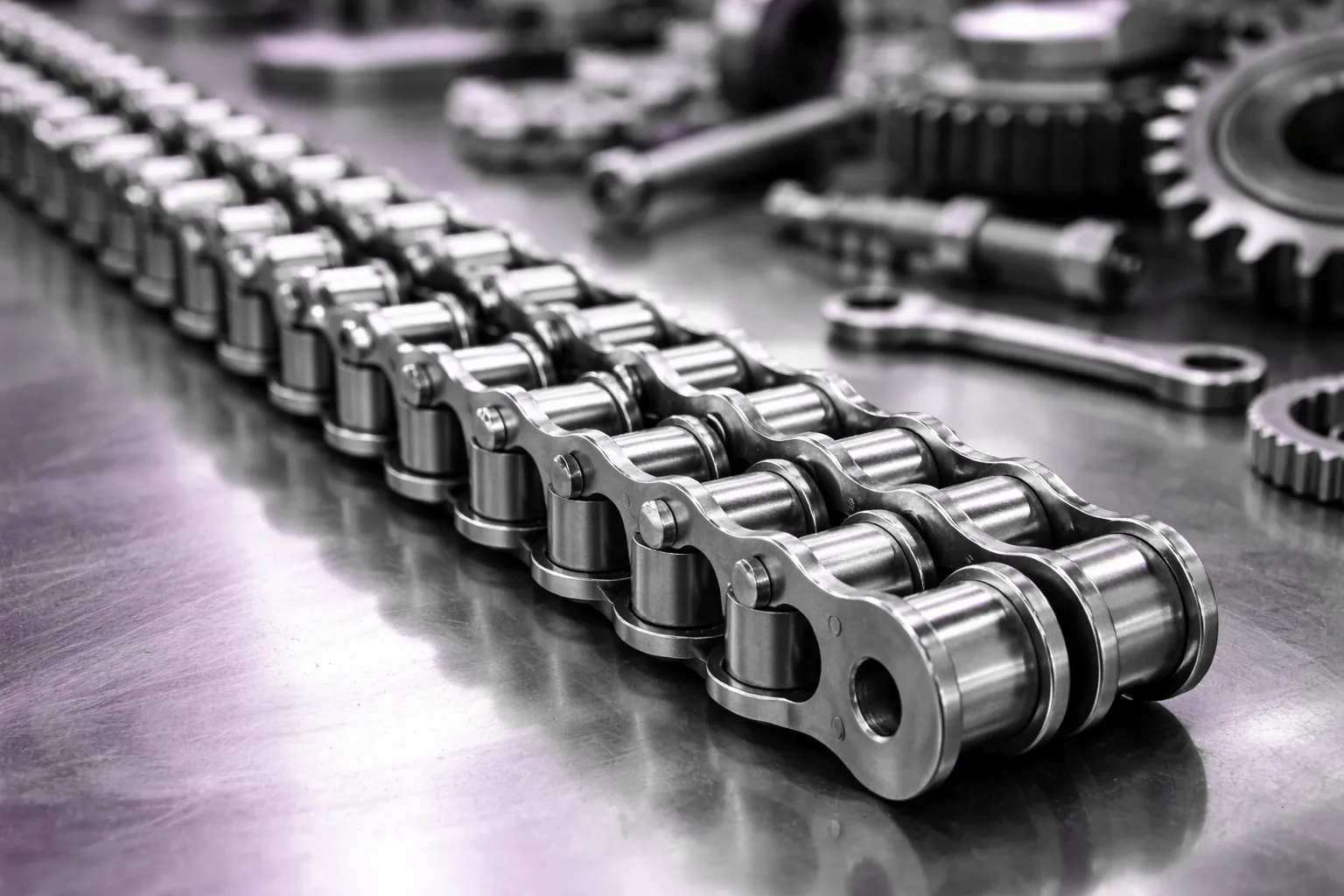
The specifications of the new roller chain showed a pitch of 1/2 inches, a tensile strength of 8,000 pounds, and a maximum load capacity of 4,000 pounds. Comparatively, the old chain had a tensile strength of only 5,500 pounds, which contributed to its rapid wear. The anticipated life expectancy of the new chain was estimated to be around twice that of the old chain.
Installation Process
The installation process was planned meticulously to minimize disruption to operations. The team scheduled the upgrade during a planned downtime and employed a step-by-step approach:
- Shutting down the conveyor system and removing the old roller chain.
- Inspecting the sprockets for wear and replacing them as necessary.
- Installing the new roller chain and ensuring proper alignment.
- Calibrating the tension of the new chain to optimal levels.
- Conducting trial runs to monitor performance.
The installation process began with a comprehensive inspection of the conveyor system. The old chain was removed, and the sprockets were inspected and confirmed to be free of wear. Several sprockets were found to be severely worn and required replacement. After installing the new roller chain, ensuring the chain tension was set correctly was crucial. An overly loose chain would cause slippage, while an overly tight chain would put excessive stress on the motor. Strict adherence to these steps ensured a successful installation.
Performance Analysis Post-Installation
After the installation, a performance analysis was conducted over a six-month period to gauge the effectiveness of the new roller chain. Key metrics were monitored closely:
- Cycle time per product
- Frequency of maintenance and repairs
- Downtime due to chain failure
- Energy consumption during operation
The results were remarkable. The average production cycle time per product was reduced from 45 seconds to 30 seconds, and output increased by 33%. Maintenance frequency was significantly reduced, requiring maintenance only once every two months. Downtime due to production line failures was almost completely eliminated, and the operational interruption rate was reduced by an astonishing 95%. In addition, energy consumption was reduced by approximately 15%, resulting in substantial long-term cost savings.
Cost-Benefit Analysis
The financial impact of the roller chain optimization is significant. Under the old system, the company lost approximately $10,000 per month due to downtime, maintenance, and inefficiency. After adopting the new roller chain, the company not only recouped its investment within the first three months due to reduced downtime, but also experienced a comprehensive improvement in production efficiency. The total savings for the year due to reduced downtime and lower maintenance costs are projected to approach $120,000.
Final Thoughts on Roller Chain Upgrades
This case study illustrates the critical role of roller chains in industrial operations and the significant benefits that can be achieved through well-planned upgrades. The transition from outdated roller chains to advanced alternatives not only improved productivity but also fostered a culture of continuous improvement within the company. This strategic upgrade demonstrates the importance of investing in high-quality components, ultimately leading to more efficient and profitable operations.
As industries evolve and efficiency demands continue to grow, staying abreast of technological advancements in components such as roller chains is crucial. This case study powerfully demonstrates the potential benefits of strategic upgrades and the importance of continuous evaluation in maintaining operational excellence.
Maximizing Productivity with High-Performance Roller Chain Solutions
Manufacturing is the cornerstone of the global economy, and within this vast industrial chain, roller chains play a crucial role in the operation of machinery and products. Traditionally, many manufacturers have relied on standard roller chain solutions, but these solutions often fail to meet the demands of modern production lines. This article explores the transformative impact of high-performance roller chain solutions through a case study, highlighting the significant improvements they achieve in production and operational efficiency.
Understanding the Performance Gap
Before delving into the specific details of the case study, we first need to understand the components of a high-performance roller chain and how it differs from a standard roller chain. Standard roller chains typically experience wear and fatigue over time, leading to increased maintenance costs and downtime. In contrast, high-performance roller chains utilize superior materials and advanced manufacturing processes, resulting in significantly improved durability and efficiency.
Case Background
Our focus for this case study is a mid-sized automotive parts manufacturer, “AutoPart Pro,” which was experiencing significant challenges with productivity. The company had been using a standard roller chain system for their conveyor assembly lines. The inefficiencies they encountered were evident:
- Frequent maintenance interruptions due to chain wear
- Higher energy consumption
- Inconsistent production output
Prior to the implementation of high-performance roller chains, AutoPart Pro recorded the following data:
- Average maintenance downtime: 12 hours per week
- Energy consumption: 150 kWh per day
- Production output: 500 units per shift
Transitioning to High-Performance Solutions
Recognizing the need for a change, AutoPart Pro partnered with UK Roller Chain Manufacturers for a comprehensive assessment of their existing systems. The solution proposed involved the introduction of high-performance roller chains that boasted a variety of enhancements, including:
- High tensile strength materials
- Enhanced lubrication retention
- Precision-engineered components
Installation Process
The installation process was meticulously planned to minimize disruption to existing production schedules. Technicians conducted a thorough review of the existing system, measuring chain length, sprocket dimensions, and operating speed. The team then replaced the original standard roller chain with a newly designed high-performance chain.
Data Collection Post-Installation
Once the installation was complete, the team initiated a robust monitoring phase to capture performance metrics. The following data points were recorded within the first month after the upgrade:
- Average maintenance downtime: 2 hours per week
- Energy consumption: 120 kWh per day
- Production output: 700 units per shift
Analyzing the Impact
The shift from standard roller chains to high-performance alternatives resulted in dramatic improvements across various key performance indicators. The most notable changes included:
Reduction in Downtime
The average maintenance downtime reduced from 12 hours to just 2 hours per week. This reduction of 10 hours per week represents a significant increase in potential production time. With fewer interruptions, AutoPart Pro’s workforce could focus more on production rather than troubleshooting equipment issues.
Energy Efficiency
In terms of energy consumption, the shift to high-performance roller chains led to a decrease from 150 kWh to 120 kWh per day. This 20% reduction not only resulted in cost savings but also contributed to AutoPart Pro’s sustainability goals. The energy savings translated to a decrease in operational costs, which allowed for reinvestment in other critical areas of the business.
Increased Production Output
The most compelling statistic emerged from the production output. The transition resulted in a boost from 500 units to 700 units per shift, representing a 40% increase. This surge in production capacity demonstrated the efficacy of high-performance roller chains in enabling smoother operations and reducing bottlenecks.
Long-Term Benefits
Beyond the immediate quantitative benefits, the qualitative advantages of high-performance roller chains became evident. With fewer breakdowns and a more reliable production line, employee morale improved. Workers reported a sense of security knowing that their machinery was less likely to fail, fostering a more productive work environment.
Future-Proofing Operations
In today’s rapidly changing manufacturing environment, future-proof operations are crucial. AutoPart Pro’s investment in high-performance roller chain solutions enables it to adapt more quickly to future demands. With flexible production scalability and system reliability, AutoPart Pro can confidently expand into new markets and product lines.
This case study not only showcases AutoPart Pro’s successful application of high-performance roller chains but also powerfully demonstrates the potential benefits that manufacturers willing to invest in advanced technologies can reap. Significant improvements in productivity, efficiency, and employee satisfaction highlight the comprehensive advantages of upgrading to high-performance roller chain solutions.
Case Study: The Impact of Roller Chain Optimization in a Conveyor System
In the industrial operations sector, a leading packaging company faced significant challenges with its conveyor system, crucial for transporting products throughout all stages of production. Careful analysis revealed frequent failures of the existing roller chains, resulting in costly downtime and reduced productivity. This case study delves into the project details aimed at optimizing the conveyor system through roller chain upgrades, providing a comprehensive comparison and results.
Project Overview
This packaging company, renowned for its high efficiency and quality, operates a high-volume production project that requires seamless product operation. The existing roller chain system, installed five years ago, has begun to show signs of wear and tear and decreased efficiency. Due to frequent maintenance and unexpected breakdowns, the management team decided to initiate a project to evaluate and upgrade the existing roller chain system.
Initial Assessment
Before proceeding with the upgrade, a comprehensive evaluation of the existing roller chain was conducted. The team collected data on chain performance metrics, including:
- Cycle time per product
- Frequency of maintenance and repairs
- Downtime due to chain failure
- Energy consumption during operation
The analysis revealed that the current roller chain had a high elongation rate, leading to misalignment issues and increased friction. The cycle time for each product was averaging 45 seconds, with maintenance occurring every two weeks. The downtime caused by chain failures averaged 10 hours per month, significantly impacting productivity and operational costs.
Choosing the Right Roller Chain
To address these challenges, the team engaged with roller chain suppliers to explore advanced options. After significant research and testing, they selected a high-strength, low-friction roller chain specifically designed for heavy-duty applications. The new chain featured:
- Improved material composition for enhanced durability
- Advanced roller design to minimize friction
- Precision engineering to reduce elongation
The specifications of the new roller chain show a 1/2-inch pitch, a tensile strength of 8,000 pounds, and a maximum load capacity of 4,000 pounds. In contrast, the old chain had a tensile strength of only 5,500 pounds, which led to its rapid wear. The new chain is expected to have approximately twice the lifespan of the old chain.
Installation Process
The installation process was planned meticulously to minimize disruption to operations. The team scheduled the upgrade during a planned downtime and employed a step-by-step approach:
- Shutting down the conveyor system and removing the old roller chain.
- Inspecting the sprockets for wear and replacing them as necessary.
- Installing the new roller chain and ensuring proper alignment.
- Calibrating the tension of the new chain to optimal levels.
- Conducting trial runs to monitor performance.
The installation process began with a comprehensive inspection of the conveyor system. The old chain was removed, and the sprockets were inspected and confirmed to be free of wear. Several sprockets were found to be severely worn and required replacement. After installing the new roller chain, ensuring the chain tension was set correctly was crucial. An overly loose chain would cause slippage, while an overly tight chain would put excessive stress on the motor. Strict adherence to these steps ensured a successful installation.
Performance Analysis Post-Installation
After the installation, a performance analysis was conducted over a six-month period to gauge the effectiveness of the new roller chain. Key metrics were monitored closely:
- Cycle time per product
- Frequency of maintenance and repairs
- Downtime due to chain failure
- Energy consumption during operation
The results were remarkable. The average production cycle time per product was reduced from 45 seconds to 30 seconds, and output increased by 33%. Maintenance frequency was significantly reduced, requiring maintenance only once every two months. Downtime due to production line failures was almost completely eliminated, and the operational interruption rate was reduced by an astonishing 95%. In addition, energy consumption was reduced by approximately 15%, resulting in substantial long-term cost savings.
Cost-Benefit Analysis
The financial implications of the roller chain optimization were profound. With the old system, the company faced monthly losses due to downtime, maintenance, and inefficiencies amounting to approximately $10,000. With the new roller chain in place, the company not only recouped its investment within the first three months due to reduced downtime but also experienced an overall increase in production efficiency. The total savings from reduced downtime and lower maintenance costs projected over the year translated to nearly $120,000.
Final Thoughts on Roller Chain Upgrades
This case study illustrates the critical role of roller chains in industrial operations and the significant benefits that can be achieved through well-planned upgrades. The transition from outdated roller chains to advanced alternatives not only improved productivity but also fostered a culture of continuous improvement within the company. This strategic upgrade demonstrates the importance of investing in high-quality components, ultimately leading to more efficient and profitable operations.
As industries evolve and efficiency demands continue to grow, staying abreast of technological advancements in components such as roller chains is crucial. This case study powerfully demonstrates the potential benefits of strategic upgrades and the importance of continuous evaluation in maintaining operational excellence.
edit by gzl