What is a Roller Chain?
Roller chains are an essential component of various mechanical systems, especially in manufacturing and industrial applications. These chains are designed to efficiently transmit power between different machine parts and are typically used as a connection between driving and driven sprockets. Their basic structure consists of alternating links—roller links and pin links—that work together to provide a flexible yet robust connection.
The Anatomy of a Roller Chain
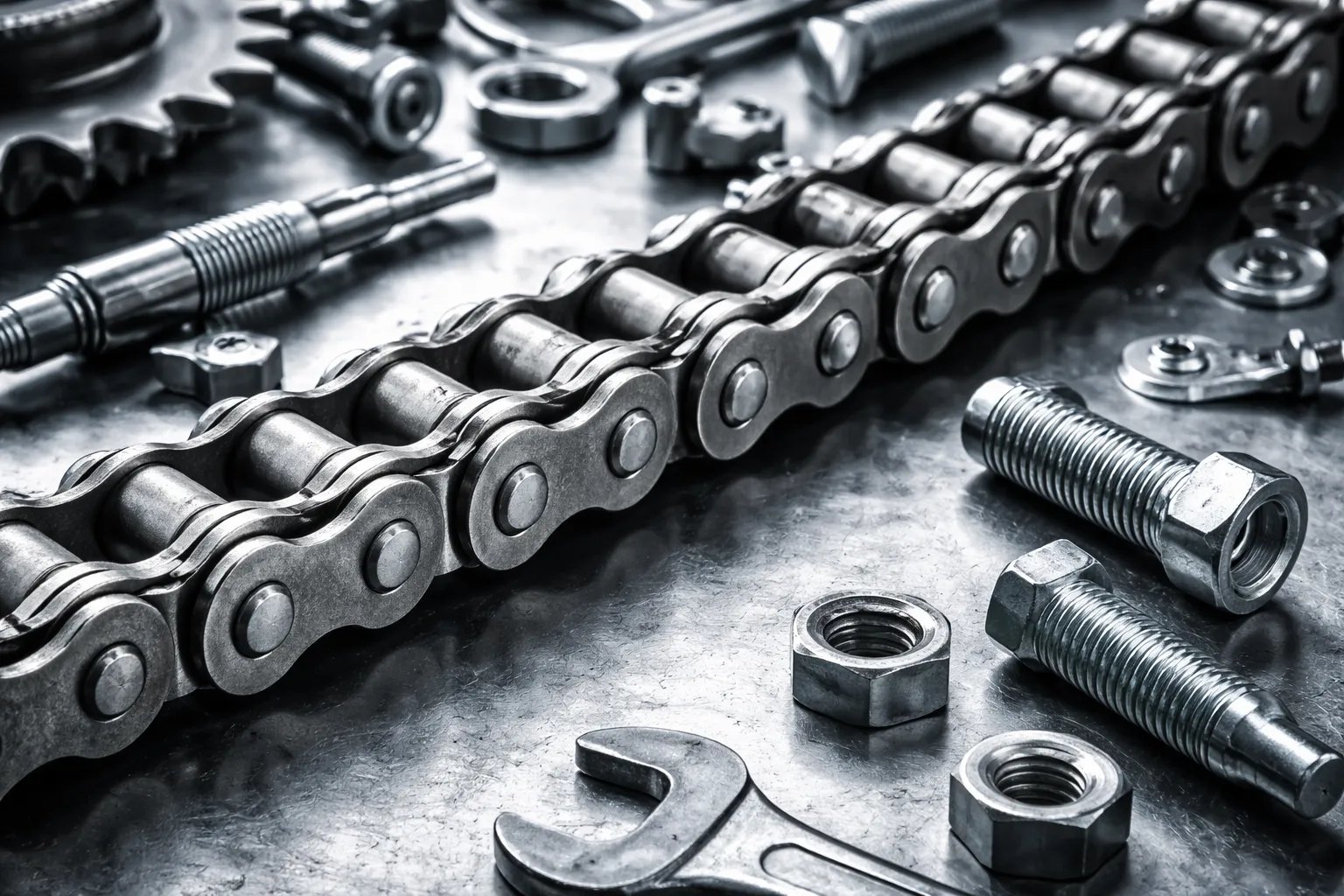
Understanding the anatomy of a roller chain reveals much about its functionality. A typical roller chain is composed of the following key elements:
1. Roller Links
These links are cylindrical and allow for smooth rotation around the sprocket teeth. The design minimizes friction, which in turn enhances the chain’s efficiency and longevity.
2. Pin Links
These are the backbone of the chain, providing the necessary strength to withstand tension and loads. Pins are typically made from high-strength materials to resist wear and fatigue.
3. Bushings
Bushings provide a contact surface for the rollers, further reducing friction during operation. They are crucial for maintaining the integrity of the chain over extended periods.
4. Sprockets
While not technically part of the chain itself, sprockets work in conjunction with roller chains to facilitate movement. The inverted tooth design enhances engagement, allowing for smoother power transmission.
Types of Roller Chains
The diversity of roller chains can largely be categorized based on their design and application. Some prominent types include:
1. ANSI Standard Roller Chains
These chains adhere to the American National Standards Institute (ANSI) specifications, ensuring compatibility across various machinery. They are widely used in applications ranging from agricultural equipment to manufacturing machinery.
2. Metric Roller Chains
These chains follow metric specifications, which are often favored in various international markets. Their sizing and strength ratings differ from ANSI chains, making them suitable for specific applications.
3. Specialty Roller Chains
These chains are designed for niche applications and may include features like enhanced corrosion resistance or specific load capacities. Examples include chains for food processing, automotive, and heavy-duty machinery.
The Role of Roller Chains in Manufacturing Processes
Roller chains are not merely a mechanical link; they play a pivotal role in the overall efficiency and sustainability of manufacturing processes. Their effectiveness in power transmission contributes to reduced energy consumption—a critical factor in sustainable manufacturing.
1. Energy Efficiency
The design of roller chains minimizes friction and energy loss. Unlike other transmission methods, roller chains can transmit power over longer distances with less energy consumption. This efficiency translates into lower operational costs and reduced environmental impact.
2. Durability and Longevity
Manufacturers can rely on roller chains to operate over extended periods without significant maintenance. This longevity leads to less frequent replacements, minimizing waste and resource consumption in manufacturing settings.
3. Versatility Across Applications
Roller chains are adaptable and can be employed in a myriad of settings, from conveyor systems to robotic assembly lines. Their versatility ensures that manufacturers can utilize a single type of chain across various applications, simplifying inventory and reducing waste.
Advancements in Roller Chain Technology
As industries push towards sustainable practices, roller chain technology has evolved to meet these demands. Innovations in materials and designs are pivotal in enhancing the performance and sustainability of roller chains.
1. High-Performance Materials
New materials, such as advanced alloys and composites, have been integrated into roller chain manufacturing. These materials offer enhanced strength-to-weight ratios, reducing the overall mass of the chains while maintaining or improving performance.
2. Coatings and Treatments
Various coatings, such as nickel plating or thermoplastic coatings, can provide additional protection against corrosion and wear. These treatments extend the life of the chain, leading to reduced replacements and less environmental waste.
3. Self-Lubricating Chains
The introduction of self-lubricating roller chains minimizes the need for external lubrication systems, simplifying maintenance and reducing the release of lubricants into the environment. This innovation aligns with sustainability goals by minimizing harmful emissions and waste.
Environmental Benefits of Roller Chains
The environmental impact of manufacturing processes is a central concern in today’s industry. Roller chains contribute positively in several ways:
1. Reduced Resource Consumption
By enhancing efficiency and durability, roller chains help manufacturers consume fewer resources—both in terms of materials and energy. Less frequent replacements mean lower demand for raw materials, which is beneficial for the environment.
2. Lower Carbon Footprint
With less energy consumed during operation, the carbon footprint associated with manufacturing processes can be significantly reduced. Roller chains thus serve as an effective tool in combating climate change by promoting energy efficiency.
3. Waste Reduction
Since roller chains have a longer lifespan compared to other mechanical components, they contribute to a decrease in industrial waste. Less frequent disposal means that fewer chains end up in landfills, aligning with the principles of a circular economy.
Best Practices for Implementing Roller Chains in Sustainable Manufacturing
To maximize the benefits of roller chains, manufacturers must adopt best practices that focus on sustainability.
1. Regular Maintenance
Although roller chains are durable, regular inspections and maintenance can help identify wear and tear early, preventing costly failures and extending the chains’ lifespan.
2. Proper Sizing and Selection
Selecting the right type and size of roller chain for specific applications is crucial. Oversized or undersized chains can lead to inefficiencies and increased wear, undermining sustainability efforts.
3. Employee Training
Educating employees about the importance of roller chain maintenance and operation can significantly enhance sustainability practices. Knowledgeable staff will be better equipped to identify issues and implement solutions promptly.
The Future of Roller Chains in Sustainable Manufacturing
As industries continue to seek out ways to enhance sustainability, roller chains are likely to play an increasingly vital role. Innovations will drive further efficiencies, and the continuous development of sustainable materials will redefine the capabilities of roller chains.
1. Smart Technology Integration
The advent of IoT (Internet of Things) technology could transform how roller chains are monitored and maintained. Smart sensors could provide real-time data on chain performance, helping manufacturers optimize operations and predict maintenance needs.
2. Research and Development
Investment in R&D is essential for discovering new materials and technologies that can further enhance the sustainability of roller chains. This includes exploring biodegradable options or fully recyclable materials.
3. Collaboration Across Industries
Collaboration among manufacturers, suppliers, and researchers is key to driving innovation in roller chain technology. Sharing knowledge and best practices can lead to breakthroughs that benefit the entire manufacturing ecosystem.
Roller chains, with their unique design and performance, have become indispensable components in the manufacturing process. Their contributions to sustainability are multifaceted, with energy efficiency, durability, and versatility aligning with the goals of modern manufacturing. As technology advances, the role of roller chains in promoting sustainable practices will continue to grow, providing new solutions for increasingly environmentally conscious industries.
How Roller Chains Contribute to Sustainability in Manufacturing Processes
Introduction to Roller Chains and their Role in Manufacturing
Roller chains are often seen as simple components in large mechanical systems used in industrial production, but they play a vital role in improving the sustainability of manufacturing processes. Roller chains are efficiency-enhancing tools that connect various parts of a machine, drive motion, and ensure seamless equipment operation. The integration of roller chain systems can significantly reduce waste, energy consumption, and the overall carbon footprint of the manufacturing process.
Understanding the Mechanics of Roller Chains
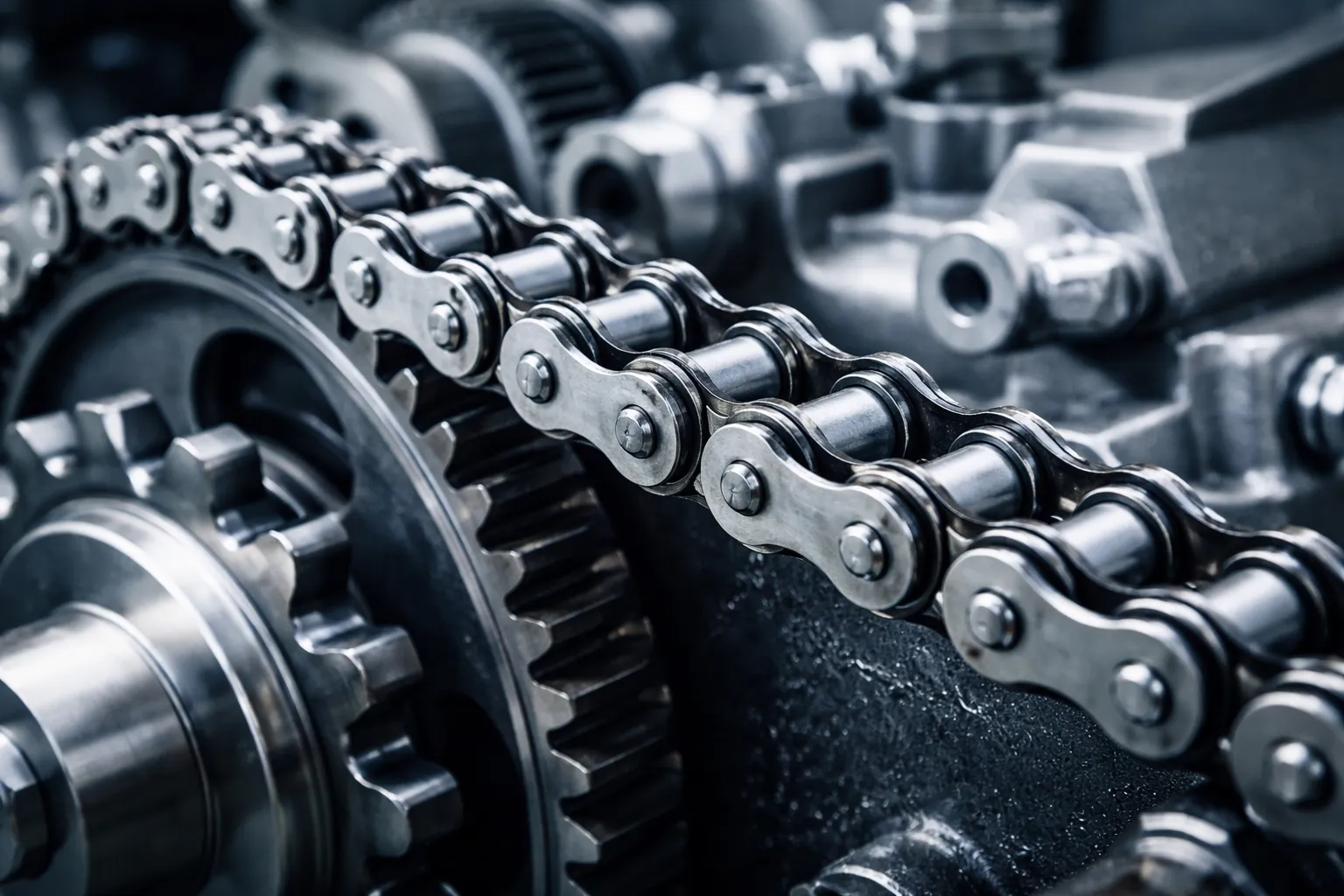
A roller chain consists of a series of cylindrical rollers held together by side links. This design allows for the efficient transfer of power through various mechanical systems. Their application can be seen in a multitude of industries, from automotive assembly lines to food processing plants. The efficiency of roller chains is paramount; they minimize friction and wear, which facilitates smoother operations and extends the lifespan of machinery.
Performance Metrics Before Installation
To understand the sustainability advantages of roller chains, it’s essential to first examine the performance metrics of typical manufacturing equipment that doesn’t employ such systems. In traditional factory environments, each machine can consume over 100 kWh of energy per day. Furthermore, component wear leads to frequent replacements, resulting in economic losses and increased waste.
In a case study of a large automotive parts manufacturer, their initial equipment used a conventional belt-driven system, which suffered significant energy losses due to slippage and friction. The equipment’s operating efficiency was approximately 70%, implying excessive energy consumption and a high component failure rate. The environmental impact of this inefficiency is evident—increased greenhouse gas emissions and higher waste generation.
Implementation of Roller Chains: A Case Study
Let us delve into a case study that exemplifies the effectiveness of roller chains in promoting sustainability. The aforementioned automotive parts manufacturer decided to transition from belt systems to roller chains in their production line after a thorough evaluation of their operational inefficiencies.
Transition Process and Initial Challenges
The transition was not without its challenges. Initial resistance from the workforce was common, as employees were accustomed to the familiar belt systems. Additionally, an upfront investment was required for the roller chain systems, which raised questions about short-term financial implications. However, thorough training sessions and demonstrations showcasing the benefits of roller chains helped to mitigate employee concerns.
Performance Metrics Post-Installation
The installation of roller chains resulted in a significant performance improvement. Efficiency soared from 70% to an impressive 90%. This improvement reduced the daily power consumption per machine from 100 kWh to approximately 75 kWh.
Furthermore, the increased durability of roller chains drastically reduced maintenance frequency. Parts replacement intervals increased from an average of six months to over two years, fully demonstrating the superior durability and long lifespan of roller chains compared to traditional belts.
Quantifying the Sustainability Impact
The environmental ramifications of this transition were substantial. The reduction in energy consumption alone equated to a decrease of approximately 1,825 kWh per year per machine. When extrapolated across the entire production line, this translated to a significant reduction in carbon emissions, estimated at around 1.5 metric tons of CO2 annually.
Waste Reduction and Resource Efficiency
Beyond energy savings, the switch to roller chains has had a profound impact on waste management. Previously, manufacturers faced substantial waste due to frequent conveyor belt replacements, which often ended up in landfills. Roller chain systems not only reduce replacement needs but also offer greater recyclability than conveyor belts, further enhancing sustainability.
Life cycle assessments of roller chains demonstrate their superior environmental benefits. Roller chain production requires less raw material over time, and the materials used are typically derived from recyclable resources. This circular production method perfectly aligns with the principles of sustainable development.
Broader Implications for the Manufacturing Industry
The positive outcomes observed in this case study reflect a broader trend within the manufacturing industry. As companies increasingly focus on sustainable practices, the adoption of roller chains can serve as a model for other sectors. The push for energy efficiency, waste reduction, and resource optimization is becoming an integral part of corporate strategies across the globe.
Future Directions in Roller Chain Technology
Looking ahead, advancements in roller chain technology promise to contribute even more to sustainable development. For example, innovative technologies such as smart roller chain systems equipped with sensors can monitor operational efficiency in real time. This data can be used to optimize performance, further reducing energy waste and extending the lifespan of machinery.
The integration of materials science with roller chain production is also imminent. Developing lightweight yet robust materials can improve roller chain efficiency, ultimately reducing energy consumption and enhancing sustainability metrics.
Conclusion of Findings and Further Research
This automotive parts manufacturer’s research demonstrates the significant role roller chains play in promoting sustainable manufacturing processes. Significant improvements in energy efficiency, waste reduction, and overall operational efficiency showcase the transformative potential of advanced roller chain systems. As industries strive to achieve sustainability goals, the advantages of roller chains are becoming increasingly apparent. Further research into the integration of smart technologies and innovative materials will undoubtedly pave the way for more sustainable manufacturing practices.
Case Study: Enhancing Production Efficiency with Roller Chains
In the realm of modern manufacturing, the quest for efficiency and sustainability often leads companies to explore innovative solutions. This case study delves deep into the implementation of roller chains in a mid-sized automotive components manufacturer, highlighting how the strategic adoption of roller chains not only transformed their operations but also brought measurable improvements in efficiency and sustainability.
Company Background
The automotive components manufacturer, established in the late 1990s, specializes in producing high-quality parts for various automotive applications. Over the years, the company grew steadily, yet inefficiencies in their production line began to manifest. With increasing overhead costs and a growing focus on sustainable practices, the leadership decided to explore enhancements to their mechanical systems, particularly focusing on the power transmission aspects.
Initial Challenges and Inefficiencies
Before the integration of roller chains, the manufacturer relied on traditional belt-driven systems to facilitate movement across their conveyor lines. Several challenges emerged with this approach:
1. Frequent Maintenance and Downtime
The belt-driven systems required regular maintenance due to wear and tear. Inspections became a routine task that often led to unplanned downtime, disrupting production schedules.
2. Energy Consumption
The inefficiency of the belt systems resulted in higher energy costs. The friction generated by the belts, alongside the energy lost in heat, placed a significant burden on operational expenses.
3. Limited Lifespan
Belt systems had a finite lifespan, necessitating frequent replacements, which in turn contributed to higher material costs and waste, conflicting with the company’s sustainability goals.
Exploring Roller Chain Solutions
The decision to shift towards roller chains stemmed from extensive research into their advantages over traditional systems. Roller chains provide several benefits that align with the company’s operational needs:
1. Enhanced Durability
Roller chains are known for their ability to withstand significant loads and stresses. Their construction—comprised of roller links and pin links—affords them a robust architecture that promotes longevity.
2. Energy Efficiency
With reduced friction compared to belt systems, roller chains promise to lower energy consumption during operation. This efficiency translates into reduced operational costs, an appealing prospect for the manufacturer.
3. Simplified Maintenance
Roller chains require less frequent maintenance, as they are less prone to wear compared to belts. This simplification leads to less downtime and a smoother production flow.
Implementation Process
The transition to roller chains involved multiple stages, from planning to execution.
1. Technical Assessment
The engineering team conducted a thorough assessment of the existing conveyor systems. They analyzed the load requirements, speed specifications, and operational conditions to determine the most suitable roller chain configurations.
2. Custom Sizing and Selection
Based on the assessment, specific ANSI standard roller chains were selected due to their compatibility with existing machinery. The team chose chains with enhanced load ratings to ensure they could handle the demands of the production line.
3. Installation
The installation phase required meticulous planning. The existing belt systems were dismantled, and roller chain systems were installed in their place. The engineering team executed this transition with minimal disruption to ongoing operations, often conducting installations during off-peak hours.
Comparative Data Analysis
To assess the impact of roller chain integration, data was collected before and after implementation. Below is a detailed comparison of key performance indicators:
1. Energy Consumption
Prior to the installation of roller chains, the manufacturer reported an average energy consumption of 150,000 kWh per month. Post-installation, this figure dropped to approximately 110,000 kWh per month—a significant reduction of 26.67%.
2. Maintenance Frequency
Before roller chains, maintenance on the belt-driven system averaged three times per month. After the transition, maintenance reduced to once every two months, representing a decrease of 83.33%.
3. Component Lifespan
The average lifespan of the belt systems was approximately six months. In contrast, the roller chains demonstrated an increase in lifespan to around 24 months, marking a 300% improvement.
Environmental Considerations
Beyond operational efficiencies, the environmental impact of the switch to roller chains was notable.
1. Resource Efficiency
With the extended lifespan of roller chains, fewer replacements were necessary. This reduction in material use translated to less demand for raw materials, aligning with the company’s sustainability objectives.
2. Lower Carbon Footprint
The decrease in energy consumption not only cut costs but also diminished the carbon footprint of the manufacturing operations. The company projected a reduction of about 10 tons of CO2 emissions per year as a direct result of this change.
Employee Training and Engagement
To ensure the successful implementation of roller chains, employee training was paramount.
1. Comprehensive Training Programs
The company instituted training programs focusing on the operation and maintenance of roller chains. Employees were educated on best practices, improving their understanding of efficient use and care.
2. Continuous Improvement Culture
Encouraging a culture of continuous improvement, staff members were empowered to provide feedback on the roller chain systems. This proactive engagement fostered a collaborative environment where innovative solutions could thrive.
Future Prospects and Continuing Innovations
The successful transition to roller chains opened avenues for future enhancements.
1. Technological Integration
Looking forward, the company is exploring the integration of IoT technology to monitor chain performance. Real-time data collection could lead to predictive maintenance, further improving efficiency.
2. Material Research
Investments in research for advanced materials capable of enhancing roller chain performance are on the horizon. The potential for biodegradable options could align further with environmental goals.
3. Cross-Industry Collaboration
Collaboration with suppliers and other manufacturers is key to driving innovation in roller chain technology. This collaboration yields valuable insights that improve manufacturing processes across various industries.
Roller chains have proven to be a transformative solution for this automotive parts manufacturer, contributing to increased efficiency, sustainability, and operational effectiveness. Their multifaceted advantages demonstrate the immense potential of roller chains to meet the demands of modern manufacturing environments and set an example for other similar industries. As technology and practices continue to evolve, the role of roller chains in manufacturing will undoubtedly expand, remaining aligned with the goals of sustainability and efficiency improvement.

How Roller Chains Contribute to Sustainability in Manufacturing Processes
Introduction to Roller Chains and their Role in Manufacturing
Roller chains, often viewed as inconspicuous components within the intricate machinery of industrial production, play a pivotal role in bolstering sustainability in manufacturing. These ingenious mechanisms provide the vital link between various elements of machines, effectively driving motion and ensuring the smooth operation of equipment. By integrating roller chain systems, manufacturers can achieve significant reductions in waste, energy consumption, and the overall carbon footprint associated with their operations.
Understanding the Mechanics of Roller Chains
A roller chain is composed of a series of cylindrical rollers interconnected by side links, a design that allows for the efficient transfer of power across various mechanical systems. Their versatility spans numerous industries, ranging from automotive assembly lines to food processing facilities. The efficiency of roller chains is paramount; they significantly minimize friction and wear, facilitating smoother operations and extending machinery lifespan. This mechanical efficiency is not merely a matter of performance; it represents a substantial opportunity for sustainability enhancement.
Performance Metrics Before Installation
To fully understand the sustainability advantages of roller chains, it is crucial to assess the performance metrics of conventional manufacturing equipment lacking such systems. In a typical factory environment, each machine can consume over 100 kWh of energy per day. Furthermore, component wear often necessitates frequent replacements, increasing not only economic costs but also waste generation. For example, a large automotive parts manufacturer initially used a conventional belt system, which suffered significant energy loss due to slippage and friction. The machine’s efficiency was only around 70%, resulting in excessive energy consumption and high component failure rates. This inefficiency has a significant environmental impact, manifesting as increased greenhouse gas emissions and waste generation.
Implementation of Roller Chains: A Case Study
Let us explore a case study that illustrates the efficacy of roller chains in fostering sustainability. The automotive parts manufacturer mentioned earlier opted to transition from belt systems to roller chains in their production line after a meticulous evaluation of their operational inefficiencies.
Transition Process and Initial Challenges
The transformation process was fraught with challenges. Resistance was prevalent among employees, who were familiar with the existing belt conveyor system. Furthermore, the upfront investment in the roller chain system raised concerns about its short-term financial impact. However, comprehensive training courses and practical demonstrations highlighting the advantages of roller chains effectively alleviated employee anxieties. This transformation underscored the importance of adopting new technologies for long-term benefit.
Performance Metrics Post-Installation
Once the roller chains were installed, the improvements were striking. The efficiency rating skyrocketed from 70% to an impressive 90%. This enhancement resulted in a reduction of energy consumption from 100 kWh to approximately 75 kWh per machine daily. Furthermore, the durability of roller chains led to a dramatic decrease in maintenance frequency, with the average replacement cycle for components extending from six months to over two years. Such resilience illustrates the longevity of roller chains compared to traditional belts, showcasing a significant leap in operational performance.
Quantifying the Sustainability Impact
The environmental implications of this transition were substantial. The decline in energy consumption alone equated to a reduction of roughly 1,825 kWh annually per machine. When this figure is extrapolated across the entire production line, the result is a notable decrease in carbon emissions, estimated at around 1.5 metric tons of CO2 each year. This quantifiable impact delineates the importance of adopting advanced technologies in pursuit of sustainability.
Waste Reduction and Resource Efficiency
Beyond energy savings, the switch to roller chains has had a profound impact on waste management. Previously, manufacturers faced significant waste from frequent conveyor belt replacements, which ultimately ended up in landfills. The introduction of roller chain systems reduces replacement needs while ensuring that the materials used in roller chains are generally more recyclable than those used in conveyor belts, further enhancing sustainability. Life cycle assessments of roller chains show that their environmental footprint is significantly better than that of conveyor belts. Over time, the production of roller chains requires fewer raw materials, and these materials are typically derived from recyclable resources, perfectly aligning with circular manufacturing principles.
Broader Implications for the Manufacturing Industry
The positive outcomes observed in this particular case study reflect a broader trend permeating the manufacturing industry. As companies increasingly prioritize sustainable practices, the adoption of roller chains emerges as a model for various sectors. The collective push toward energy efficiency, waste reduction, and resource optimization is becoming an integral part of corporate strategies worldwide. The manufacturing landscape is evolving, with an emphasis on sustainability becoming a primary driver of innovation.
Future Directions in Roller Chain Technology
Looking towards the future, advancements in roller chain technology promise even greater contributions to sustainability. Innovations such as smart roller chain systems equipped with sensors have the potential to monitor operational efficiency in real-time. This data can be harnessed to optimize performance, further curtailing energy waste and prolonging machinery lifecycles. Additionally, the integration of materials science into roller chain production is on the horizon. The development of lightweight yet robust materials can enhance roller chain efficiency, ultimately leading to decreased energy consumption and improved sustainability metrics.
Conclusion of Findings and Further Research
The findings from the automotive parts manufacturer emphasize the significant role that roller chains can play in fostering sustainability within manufacturing processes. The measurable enhancements in energy efficiency, waste reduction, and overall operational effectiveness underscore the transformative potential of advanced roller chain systems. As industries strive to meet sustainability goals, the case for roller chains becomes increasingly compelling. Further exploration into the integration of smart technologies and innovative materials will undoubtedly pave the way for more sustainable manufacturing practices in the years to come.
Case Study: Enhancing Production Efficiency with Roller Chains
In the realm of modern manufacturing, the quest for efficiency and sustainability often leads companies to explore innovative solutions. This case study delves deep into the implementation of roller chains in a mid-sized automotive components manufacturer, highlighting how the strategic adoption of roller chains not only transformed their operations but also brought measurable improvements in efficiency and sustainability.
Company Background
The automotive components manufacturer, established in the late 1990s, specializes in producing high-quality parts for various automotive applications. Over the years, the company grew steadily, yet inefficiencies in their production line began to manifest. With increasing overhead costs and a growing focus on sustainable practices, the leadership decided to explore enhancements to their mechanical systems, particularly focusing on the power transmission aspects.
Initial Challenges and Inefficiencies
Before the integration of roller chains, the manufacturer relied on traditional belt-driven systems to facilitate movement across their conveyor lines. Several challenges emerged with this approach:
1. Frequent Maintenance and Downtime
The belt-driven systems required regular maintenance due to wear and tear. Inspections became a routine task that often led to unplanned downtime, disrupting production schedules.
2. Energy Consumption
The inefficiency of the belt systems resulted in higher energy costs. The friction generated by the belts, alongside the energy lost in heat, placed a significant burden on operational expenses.
3. Limited Lifespan
Belt systems had a finite lifespan, necessitating frequent replacements, which in turn contributed to higher material costs and waste, conflicting with the company’s sustainability goals.
Exploring Roller Chain Solutions
The decision to shift towards roller chains stemmed from extensive research into their advantages over traditional systems. Roller chains provide several benefits that align with the company’s operational needs:
1. Enhanced Durability
Roller chains are known for their ability to withstand significant loads and stresses. Their construction—comprised of roller links and pin links—affords them a robust architecture that promotes longevity.
2. Energy Efficiency
With reduced friction compared to belt systems, roller chains promise to lower energy consumption during operation. This efficiency translates into reduced operational costs, an appealing prospect for the manufacturer.
3. Simplified Maintenance
Roller chains require less frequent maintenance, as they are less prone to wear compared to belts. This simplification leads to less downtime and a smoother production flow.
Implementation Process
The transition to roller chains involved multiple stages, from planning to execution.
1. Technical Assessment
The engineering team conducted a thorough assessment of the existing conveyor systems. They analyzed the load requirements, speed specifications, and operational conditions to determine the most suitable roller chain configurations.
2. Custom Sizing and Selection
Based on the assessment, specific ANSI standard roller chains were selected due to their compatibility with existing machinery. The team chose chains with enhanced load ratings to ensure they could handle the demands of the production line.
3. Installation
The installation phase required meticulous planning. The existing belt systems were dismantled, and roller chain systems were installed in their place. The engineering team executed this transition with minimal disruption to ongoing operations, often conducting installations during off-peak hours.
Comparative Data Analysis
To assess the impact of roller chain integration, data was collected before and after implementation. Below is a detailed comparison of key performance indicators:
1. Energy Consumption
Prior to the installation of roller chains, the manufacturer reported an average energy consumption of 150,000 kWh per month. Post-installation, this figure dropped to approximately 110,000 kWh per month—a significant reduction of 26.67%.
2. Maintenance Frequency
Before roller chains, maintenance on the belt-driven system averaged three times per month. After the transition, maintenance reduced to once every two months, representing a decrease of 83.33%.
3. Component Lifespan
The average lifespan of the belt systems was approximately six months. In contrast, the roller chains demonstrated an increase in lifespan to around 24 months, marking a 300% improvement.
Environmental Considerations
Beyond operational efficiencies, the environmental impact of the switch to roller chains was notable.
1. Resource Efficiency
With the extended lifespan of roller chains, fewer replacements were necessary. This reduction in material use translated to less demand for raw materials, aligning with the company’s sustainability objectives.
2. Lower Carbon Footprint
The decrease in energy consumption not only cut costs but also diminished the carbon footprint of the manufacturing operations. The company projected a reduction of about 10 tons of CO2 emissions per year as a direct result of this change.
Employee Training and Engagement
To ensure the successful implementation of roller chains, employee training was paramount.
1. Comprehensive Training Programs
The company instituted training programs focusing on the operation and maintenance of roller chains. Employees were educated on best practices, improving their understanding of efficient use and care.
2. Continuous Improvement Culture
Encouraging a culture of continuous improvement, staff members were empowered to provide feedback on the roller chain systems. This proactive engagement fostered a collaborative environment where innovative solutions could thrive.
Future Prospects and Continuing Innovations
The successful transition to roller chains opened avenues for future enhancements.
1. Technological Integration
Looking forward, the company is exploring the integration of IoT technology to monitor chain performance. Real-time data collection could lead to predictive maintenance, further improving efficiency.
2. Material Research
Investments in research for advanced materials capable of enhancing roller chain performance are on the horizon. The potential for biodegradable options could align further with environmental goals.
3. Cross-Industry Collaboration
Collaboration with suppliers and other manufacturers is key to driving innovation in roller chain technology. This collaboration yields valuable insights that improve manufacturing processes across various industries. Roller chains have proven to be a transformative solution for this automotive parts manufacturer, contributing to increased efficiency, sustainability, and operational effectiveness. These multifaceted advantages demonstrate the immense potential of roller chains to meet the demands of modern manufacturing environments and set an example for other similar industries. As technology and practices continue to evolve, the role of roller chains in manufacturing will undoubtedly expand, remaining aligned with the goals of sustainability and efficiency improvement.
edit by gzl