Hvordan fungerer en rullekæde? Forklaring af mekanisme og komponenter
A deep-dive into roller chain engineering — for UK manufacturing professionals, plant engineers, and B2B procurement specialists.
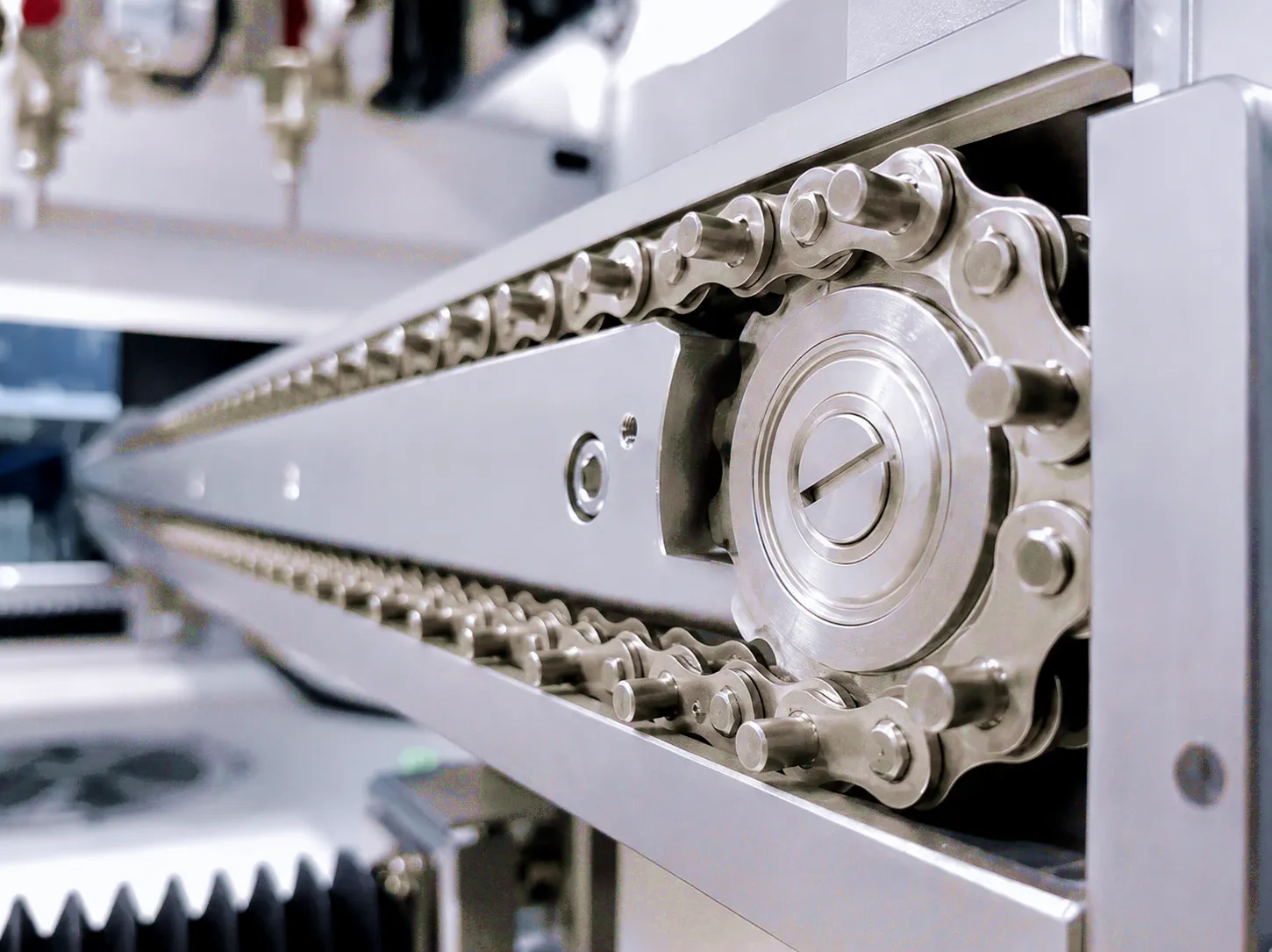
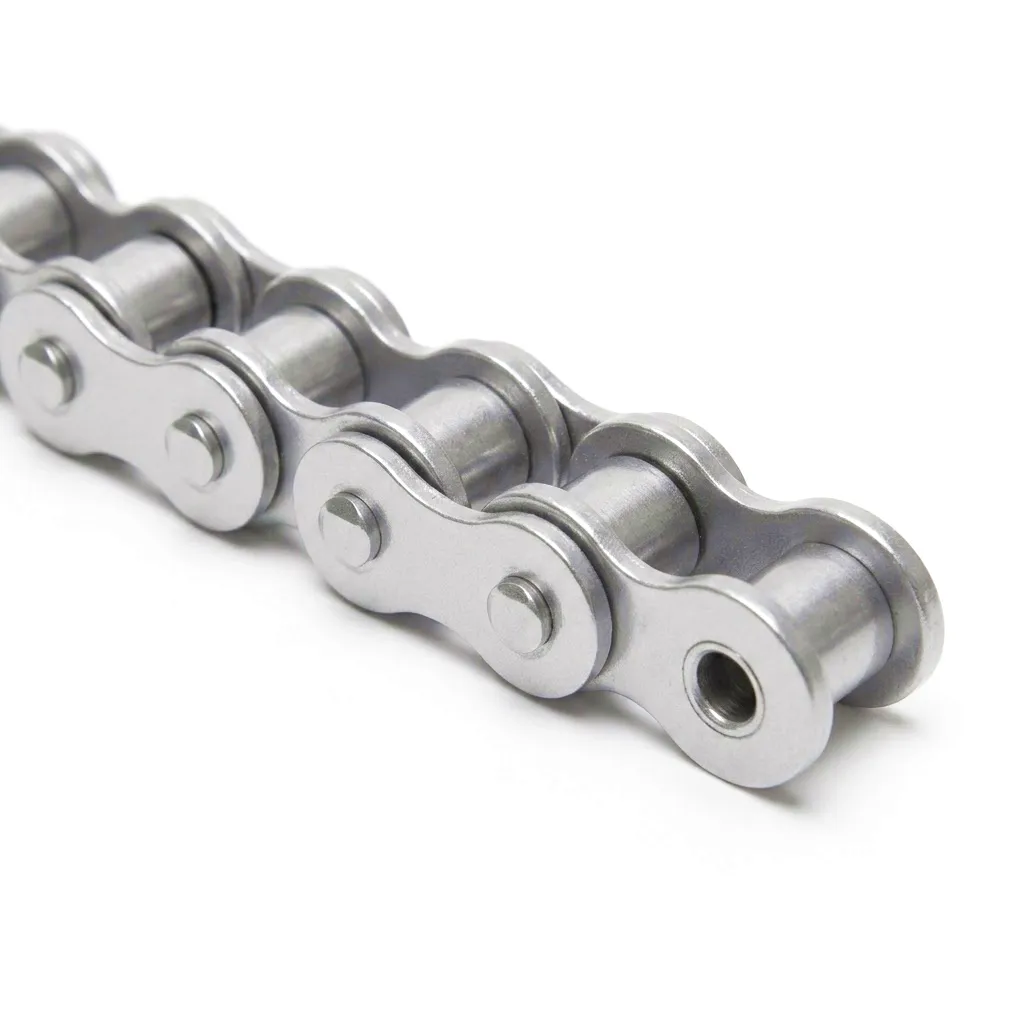 Walk into any operating production floor in Birmingham or Sheffield and you will almost certainly encounter a roller chain doing its job quietly and reliably in the background. The device is deceptively simple in appearance — an articulated series of links connected by pins — yet the engineering packed into each component determines whether an entire conveyor line, agricultural machine, or industrial drive system runs smoothly for years or fails within weeks. Roller chains transfer rotary motion and mechanical power between sprockets with extraordinarily high efficiency, routinely exceeding 98%, and they do so across speed ranges and torque loads that alternative drive systems like belts or gears struggle to match without significant cost and complexity penalties. Understanding exactly how a roller chain achieves this performance starts with appreciating the mechanical elegance of its internal geometry and the precision manufacturing behind every individual component.
The Working Principle: How Roller Chain Transmits Power
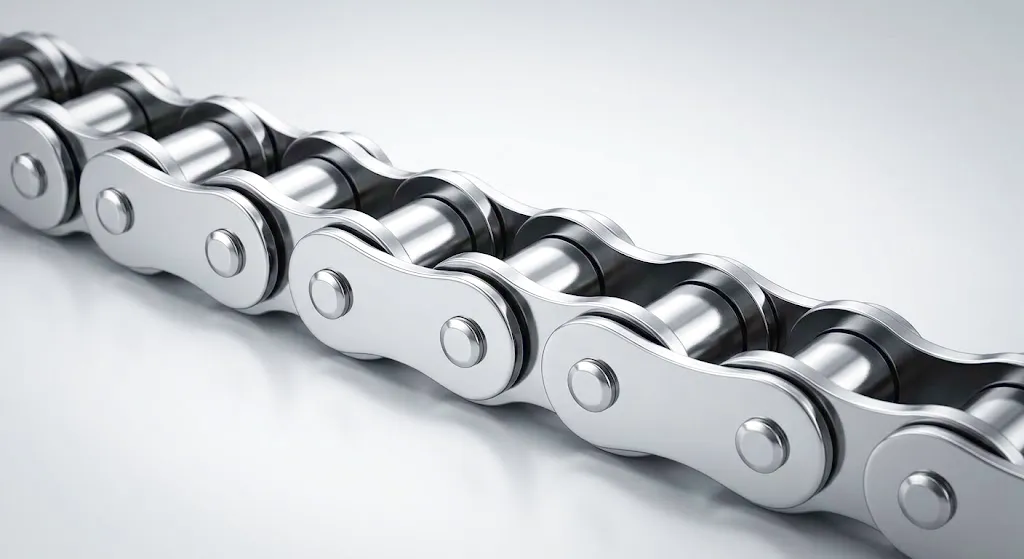
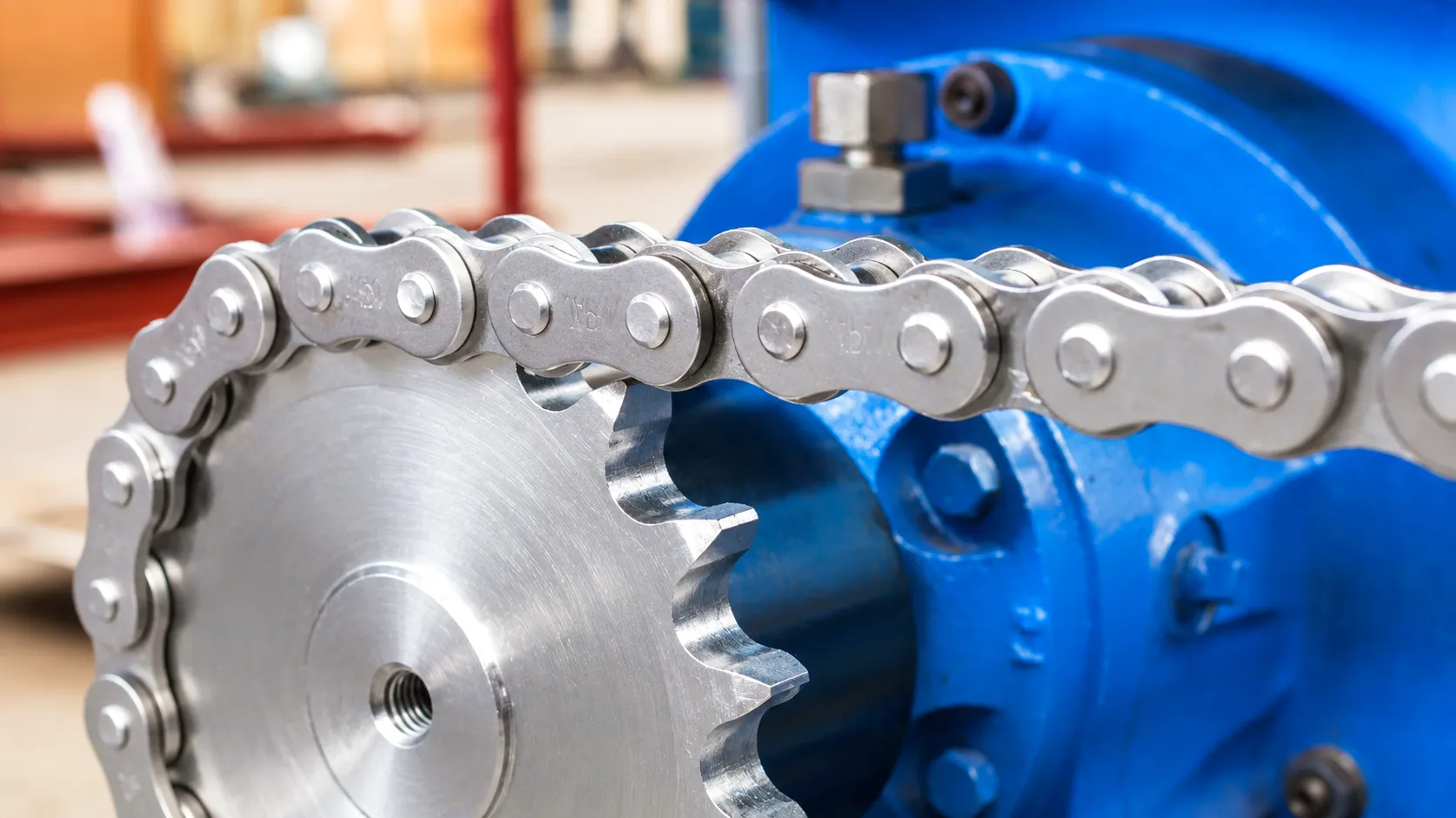
At its core, a roller chain operates on the principle of toothed engagement. The chain wraps around two or more sprockets — the driving sprocket connected to a power source such as an electric motor, and the driven sprocket connected to the load — and mechanical energy is transferred through the meshing of the chain’s rollers into the precisely machined teeth of the sprocket. Each roller, seated within a pair of inner plates and held by a bushing around a pin, rotates freely as it engages and disengages from the sprocket tooth, reducing the sliding friction at the contact point to near-negligible rolling friction. This distinction between rolling and sliding friction is the primary reason roller chains outperform many alternative transmission methods in terms of energy efficiency and component longevity.
As the driving sprocket rotates, it draws the chain links over its teeth in sequence. The chain moves in a straight-line segment — called the tight side — under tension, while the returning segment — the slack side — travels back with minimal load. The velocity ratio between driving and driven sprockets is determined entirely by the ratio of their tooth counts, a relationship that remains constant and does not degrade with wear in the way a belt’s slip factor changes over time. This positive, non-slip character makes the roller chain an instrument of precision as much as an instrument of power. In multi-sprocket systems, such as those found in the textile machinery clusters around Blackburn or the heavy press lines in the West Midlands, a single roller chain can simultaneously drive multiple auxiliary shafts from a single power source, rationalising the mechanical architecture of an entire production machine.
Anatomy of a Roller Chain: Components and Their Functions
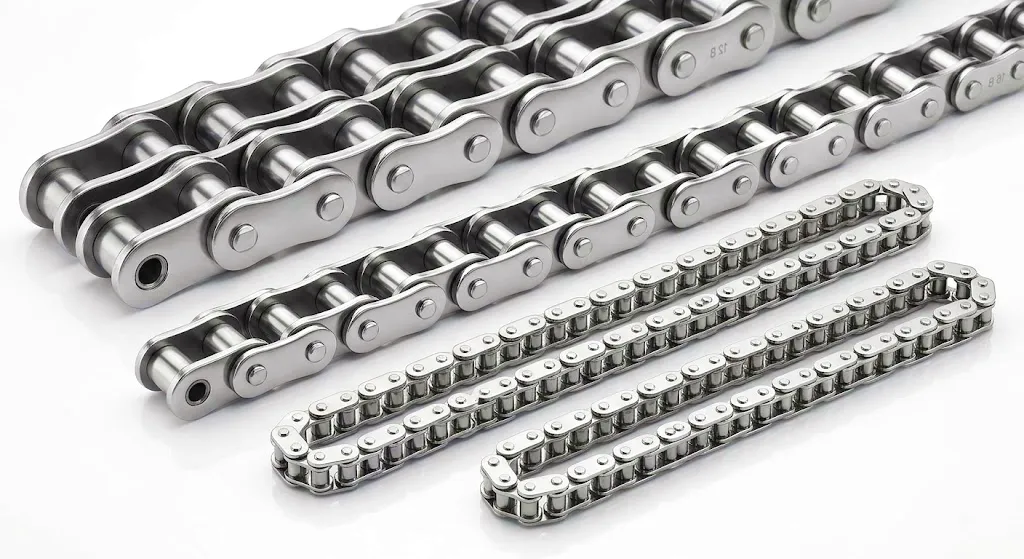
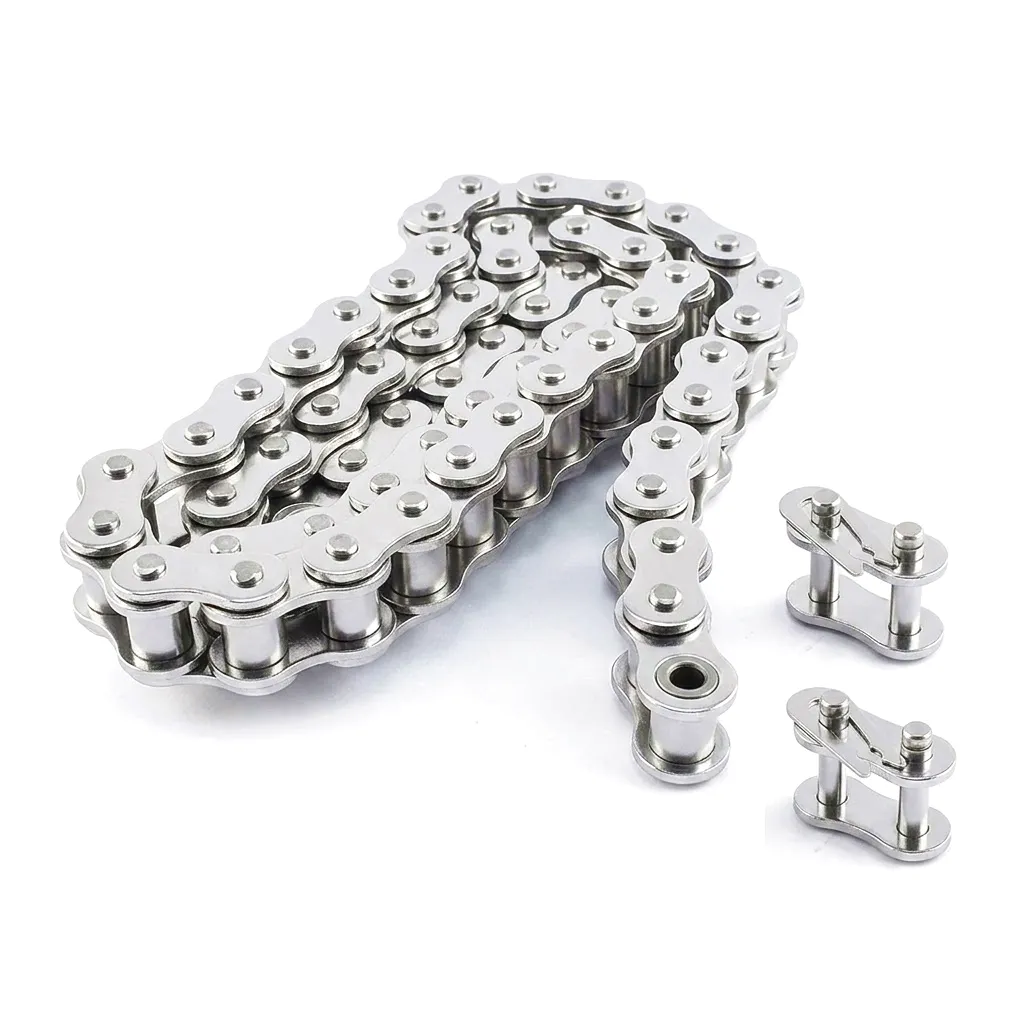
Every roller chain is an assembly of repeating link units, and each unit contains multiple precisely machined components working in concert. The manufacturing quality of each part determines the chain’s load capacity, speed rating, fatigue life, and noise behaviour. Understanding these components is not merely academic — it directly informs the procurement decisions that determine total cost of ownership for any mechanical drive installation.
Nåle
The pin is the load-bearing spine of the chain link. It passes through the inner and outer link plates and the bushings, transmitting the tensile forces that power the drive. Manufactured from high-carbon or alloy steel, pins are typically case-hardened to resist shear and wear while maintaining a tough, shock-absorbent core. In premium roller chains, pins may receive additional surface treatments such as phosphating or zinc-nickel plating to enhance corrosion resistance — a consideration of particular importance in the damp, coastal operating environments found across much of northern England.
Bøsninger
The bushing is a cylindrical sleeve pressed into the inner plates through which the pin passes. Its inner surface articulates against the pin during chain flexing at the sprocket engagement zone, making it one of the highest wear points in the assembly. High-quality bushings are sintered from powdered metals or machined from seamless steel tube and oil-impregnated during production, enabling self-lubrication over extended service intervals. The dimensional accuracy of the bushing bore relative to the pin diameter — typically maintained to tolerances of a few microns — has a direct and measurable effect on the chain’s fatigue life and pitch elongation rate under load.
Ruller
The roller is what gives the roller chain its name and its critical mechanical advantage over earlier plain-link chains. Seated over the bushing, the roller rotates freely when it comes into contact with the sprocket tooth, converting what would otherwise be sliding friction into rolling friction. This transformation reduces the coefficient of friction at the sprocket engagement point by a factor of up to ten compared with a bushed chain without rollers, which translates directly into lower heat generation, reduced wear on both chain and sprocket, and the exceptionally high power transmission efficiency the roller chain is known for.
Linkplader
Each chain link incorporates two sets of steel plates: inner plates and outer plates. The inner plates carry the bushings; the outer plates carry the pins. Both are stamped from high-quality cold-rolled steel and then heat-treated to develop the tensile and fatigue strength needed to withstand cyclic loading over millions of chain revolutions. The plate profile — whether straight-sided (standard) or waisted (in some ISO roller chain designs) — affects the chain’s dynamic strength and its resistance to shock loading. Plates are typically shot-peened after heat treatment to introduce beneficial compressive residual stresses at the surface, which substantially extends fatigue life under high-cycle conditions.
Kernematerialer i fremstilling af rullekæder
The material selection for roller chain components is not a matter of choosing a single steel grade — it is a precisely engineered balance between hardness, toughness, machinability, and corrosion resistance, adjusted for the specific operating environment the chain will face. Standard roller chains intended for general industrial use are fabricated from carbon steels in the 1045 to 1060 range, selected for their combination of achievable surface hardness through heat treatment and adequate core toughness to absorb dynamic shock loads. The case-hardening process — typically carbonitriding or carburising followed by quenching and tempering — produces a surface layer hard enough to resist abrasion while retaining a softer, more ductile core that prevents brittle fracture under impact.
Alloy Steel (Cr-Mo)
Used for heavy-duty and high-speed applications. Chromium-molybdenum grades deliver superior tensile strength, superior hardenability, and excellent performance at elevated temperatures.
Stainless Steel (304/316)
Specified for food processing, pharmaceutical, and marine applications where corrosion resistance is non-negotiable. Grade 316 offers superior chloride resistance for coastal or washdown environments.
Engineered Plastics / Nylon
Polymer components (rollers, guide plates) offer low noise, chemical inertness, and self-lubrication — increasingly deployed in electronics assembly and medical device manufacturing environments.
Sintered Powder Metal
Bushings formed from oil-impregnated sintered metal alloys provide self-lubrication, extended service intervals, and consistent dimensional tolerances at high production volumes.
Why Roller Chains Remain the Preferred Drive Solution
The continued dominance of the roller chain in industrial power transmission is not a matter of tradition — it is a consequence of performance characteristics that alternative technologies have consistently failed to surpass across the full range of operating conditions encountered in real manufacturing environments. The following advantages explain why engineers across the UK’s automotive, food production, and materials-handling sectors continue to specify roller chains as the drive solution of choice.
Exceptional Transmission Efficiency
Properly lubricated roller chains typically achieve 98–99% power transmission efficiency — a figure that very few alternative drive technologies can match. This translates directly into lower motor energy consumption and reduced running costs across multi-shift operations.
Positive Non-Slip Drive
The positive meshing engagement of chain and sprocket ensures that the velocity ratio between shafts remains constant regardless of load variation. There is no creep, no slip, and no speed variance of the type that limits timing belt applications in precision motion systems.
Høj lasteevne
Roller chains are engineered to handle substantial tensile and shock loads that would destroy equivalent-size belt drives. Heavy-duty series chains are capable of transmitting tens of kilonewtons of tensile load, accommodating the sudden torque spikes common in press machinery, conveyors, and earthmoving equipment.
Wide Operating Temperature Range
Standard carbon steel roller chains operate reliably from approximately -30°C up to +150°C, with specialised variants extending this range significantly. This versatility covers the full spectrum from cold-room logistics operations to high-temperature industrial ovens and dryers.
Simple Centre Distance Adjustment
Unlike synchronous belt drives, which require precise centre distance management and tensioning tools, roller chains can be adjusted by adding or removing individual links. This simplifies machine redesign and field maintenance considerably, reducing unplanned downtime in production environments where every minute of stoppage carries direct cost.
Cost-Effective Lifecycle Value
When total cost of ownership is calculated — including initial purchase price, energy consumption, maintenance labour, and replacement frequency — the roller chain consistently outperforms alternatives across medium-to-heavy duty applications in UK manufacturing contexts.
Featured Product Range: Rubber Top Roller Chains
For conveying applications requiring non-slip product contact surfaces — common in packaging lines across the East Midlands and food processing facilities throughout Yorkshire — rubber top roller chains offer the mechanical precision of standard chain transmission combined with a vulcanised rubber attachment that protects delicate products and improves grip across inclined or declined conveyor runs.
Heavy-duty rubber top chain in the 24B series, engineered for demanding conveying applications requiring high tensile strength combined with a grippy, product-protective rubber surface. Ideal for steep incline conveyors in logistics and packaging operations.
The 20B-G1 series combines the reliability of a standard ISO B-series chain pitch with a high-quality rubber top plate. Well-suited for medium-duty conveying of bottled goods, cartons, and components in production lines across sectors from automotive to food and beverage.
Tekniske ydeevneparametre
The table below provides representative technical and performance parameters for the ISO standard roller chain series most commonly specified in UK industrial applications. Values represent typical figures for high-quality steel chains under standard operating conditions with adequate lubrication.
| ISO Chain No. | Hældning (mm) | Rullediameter (mm) | Indvendig bredde (mm) | Brudstyrke (kN) | Maksimal hastighed (m/s) | Vægt (kg/m²) | Typisk anvendelse |
|---|---|---|---|---|---|---|---|
| 08B-1 | 12.70 | 8.51 | 7.75 | 18.0 | 16 | 0.67 | Small machinery, light conveyor |
| 10B-1 | 15.875 | 10.16 | 9.65 | 22.0 | 14 | 1.02 | Agricultural equipment, general drive |
| 12B-1 | 19.05 | 12.07 | 11.68 | 29.0 | 12 | 1.60 | Packaging lines, automation |
| 16B-1 | 25.40 | 15.88 | 17.02 | 60.0 | 10 | 2.66 | Heavy conveying, steel plant |
| 20B-1 | 31.75 | 19.05 | 19.56 | 95.0 | 8 | 4.10 | Mining, aggregate, energy sector |
| 24B-1 | 38.10 | 25.40 | 25.40 | 160.0 | 6 | 7.00 | Heavy industrial drives, offshore |
Industrial Application Scenarios in the UK Market
The range of industries relying on roller chains across the United Kingdom is broader than many engineers initially appreciate. The following scenarios reflect the environments where roller chains are routinely specified, maintained, and replaced by operations teams across England, Scotland, and Wales.
Ever Power — Precision Roller Chain Manufacturing & Custom Solutions
Ever Power operates from a modern manufacturing campus equipped with precision stamping presses, automated heat-treatment furnaces, and coordinate measuring machines capable of verifying component geometry to tolerances measured in micrometres. The manufacturing process is built around ISO 606 standards for roller chain dimensions, complemented by internal quality protocols that exceed minimum standard requirements across critical performance parameters including fatigue life, tensile strength, and pitch accuracy.
What separates Ever Power from catalogue-only distributors is a genuine engineering capability in customisation. Where a standard chain series does not adequately address the operating conditions of a specific application — whether that means an unusual pitch, a modified attachment plate configuration, a special material grade, or a bespoke surface treatment — the Ever Power technical team works directly with customers’ engineers to develop, prototype, and validate a chain variant that delivers precisely the required performance. This service has made Ever Power a trusted supply chain partner for UK OEMs and end-user operations teams alike, with consistent delivery performance through established freight forwarding relationships that typically achieve door-to-door transit from factory to UK delivery address in ten to fourteen working days.
240+
SKUs Available
ISO 606
Certified Standard
50+
Countries Supplied
Custom
Engineering Service
Customer Success Story: Sheffield Forgemasters Supply Chain Rationalisation
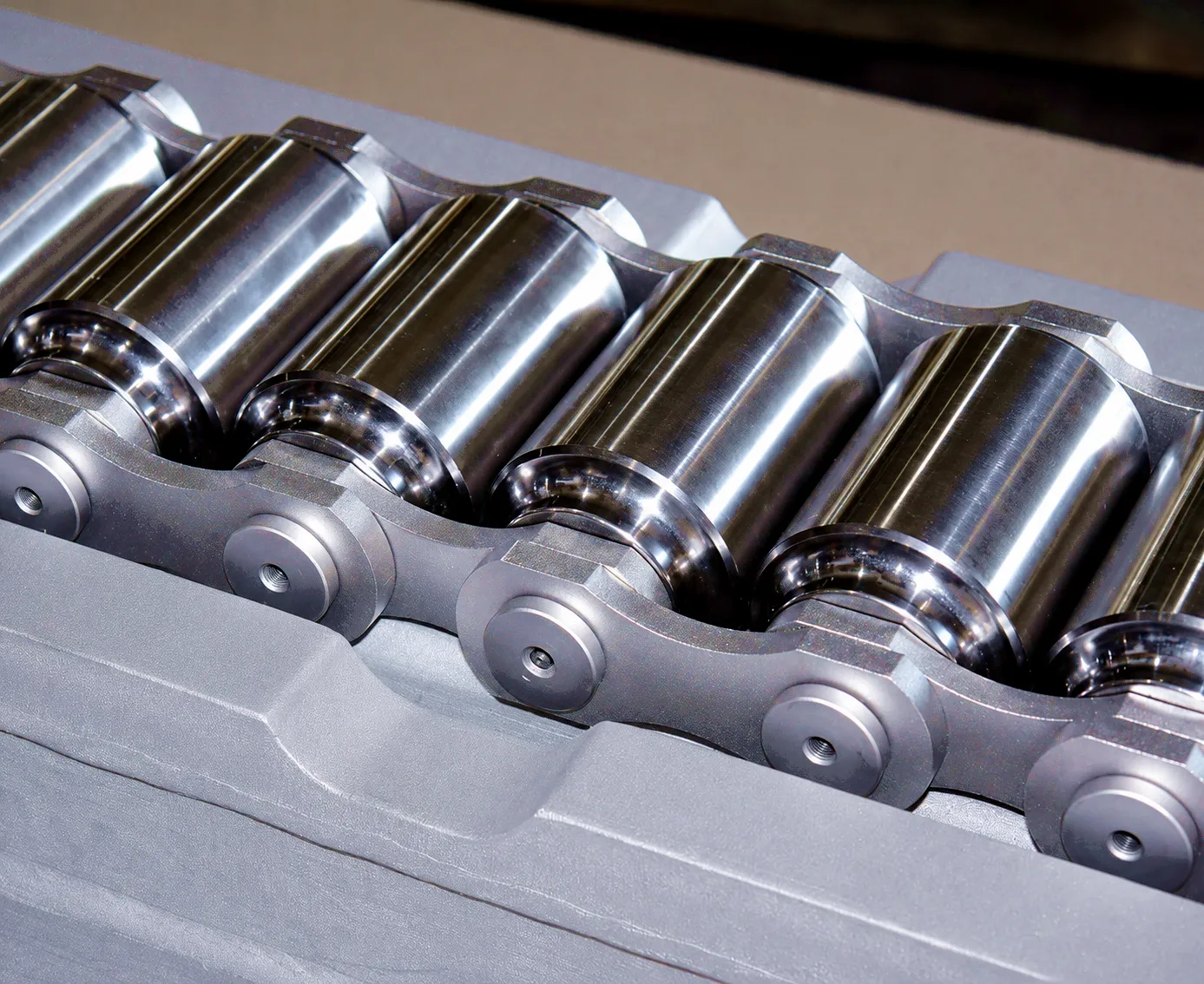
 A specialist heavy forging operation in Sheffield — producing close-tolerance alloy steel forgings for the aerospace and defence sectors — approached Ever Power following repeated premature failure of the roller chains driving their furnace charging conveyor systems. The environment was challenging in the extreme: ambient temperatures near the furnace inlets regularly exceeded 120°C, scale and metal particulate contamination was a constant presence, and the conveyor’s start-stop duty cycle generated shock loads that standard chain specifications were not designed to accommodate. Previous suppliers had recommended chain replacement intervals of twelve weeks, creating unacceptable maintenance costs and production disruptions during planned stoppages.
Ever Power’s technical team conducted a detailed application review, including analysis of load profiles, sprocket geometry, lubrication access, and thermal cycling patterns. The outcome was a recommendation for a custom-specification 20B heavy-duty chain in alloy steel with elevated case hardness on both pins and rollers, extended-pitch options at critical articulation points to reduce the frequency of engagement events, and a high-temperature grease-filled sealed joint design to maintain lubrication between the extended maintenance intervals the customer required. Prototype chains were tested over eight weeks under monitored site conditions before full conversion was approved.
The result was a measured service life extension from twelve weeks to over forty weeks per chain set — a reduction in annual chain-related maintenance cost of approximately 68%, and a complete elimination of unplanned stoppages attributable to chain failure over the twelve months following full conversion. The operations maintenance manager described the outcome as among the most straightforward high-return improvements his team had implemented in a decade of maintenance management at the site.
What UK Customers Say About Ever Power Roller Chains
“We switched our conveyor line to Ever Power 16B-1 chains after two years of frustration with another supplier. The dimensional consistency across the batch was noticeably better — our chain tensioning system hasn’t needed adjustment in five months of continuous production. The technical response time from the Ever Power team was also genuinely impressive.”
— James Hargreaves, Maintenance Manager
Packaging Equipment Manufacturer, Leeds
“Our stainless steel chain requirement for a washdown-intensive poultry processing line was non-standard — Ever Power’s customisation service handled it without issue. They provided material certificates, dimension reports, and tensile test data with each delivery. For a regulated food environment, that documentation matters enormously. Lead times to our facility in Lincolnshire have been consistent throughout our two-year supply relationship.”
— Rachel Thornton, Procurement Director
Food Processing Systems Integrator, Boston, Lincolnshire
“We specified Ever Power heavy-duty roller chains for the primary drive on a new recycling line we commissioned in Manchester last year. The chains have run through twelve-hour daily shifts without any measurable pitch elongation — we checked at the six-month mark and were genuinely surprised. The quote process was straightforward, pricing was competitive against the European alternatives we considered, and shipment tracking was clear throughout. We’ll be specifying Ever Power again on our next installation.”
— David Ashworth, Engineering Director
Waste Processing Equipment, Greater Manchester
Ofte stillede spørgsmål
Ready to Source High-Performance Roller Chains?
Contact Ever Power for standard stock enquiries, custom engineering projects, or technical consultations tailored to your UK application.
redigeret af gzl