Why Corrosion-Resistant Roller Chain Matters in Harsh Industrial Environments
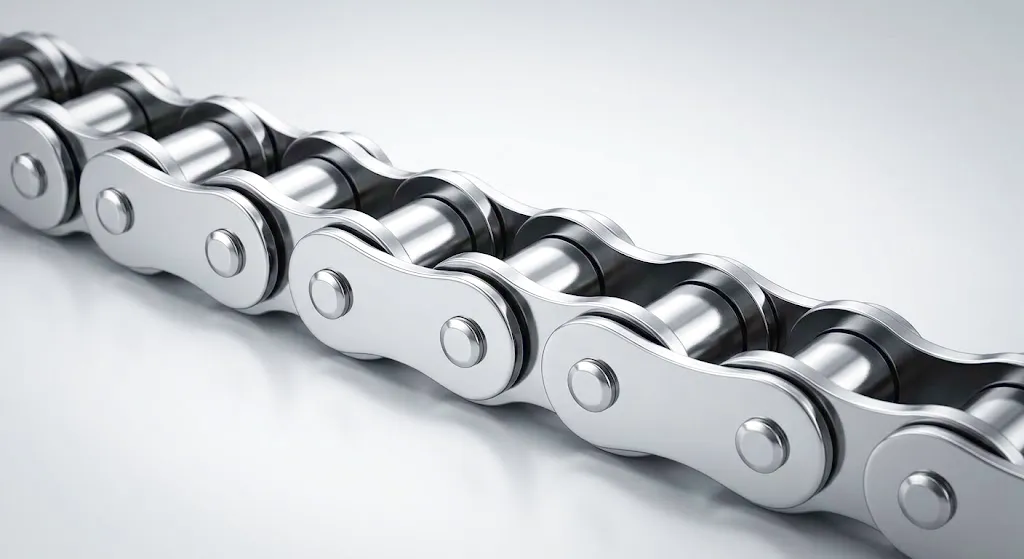
Across the United Kingdom’s chemical processing plants, offshore platforms, and coastal manufacturing facilities, the demand for mechanically reliable, corrosion-resistant roller chain has never been greater. Standard carbon steel chains deteriorate rapidly when exposed to salt spray, acidic media, chlorinated wash-down fluids, and persistent humidity — conditions that are simply unavoidable in sectors like water treatment, food-grade processing, shipbuilding, and petroleum refining. When a roller chain corrodes prematurely, the consequences are not merely mechanical: unplanned downtime in a Sheffield chemical plant or a Teesside petrochemical facility translates directly into production losses, safety risks, and significant maintenance expenditure. The decision to invest in purpose-engineered corrosion-resistant roller chain is therefore not a discretionary upgrade but a strategic operational necessity for any serious industrial buyer operating in demanding environments.
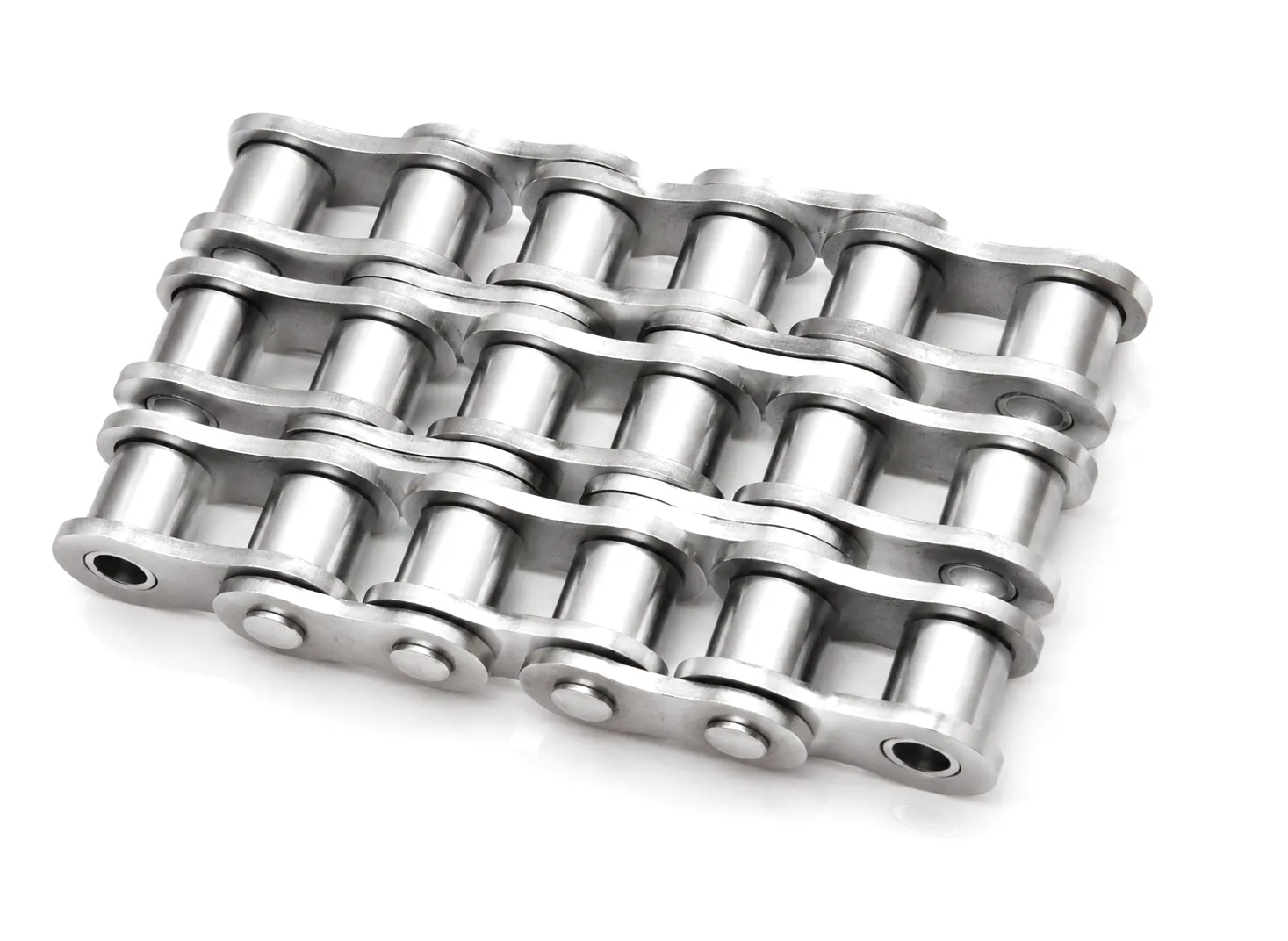
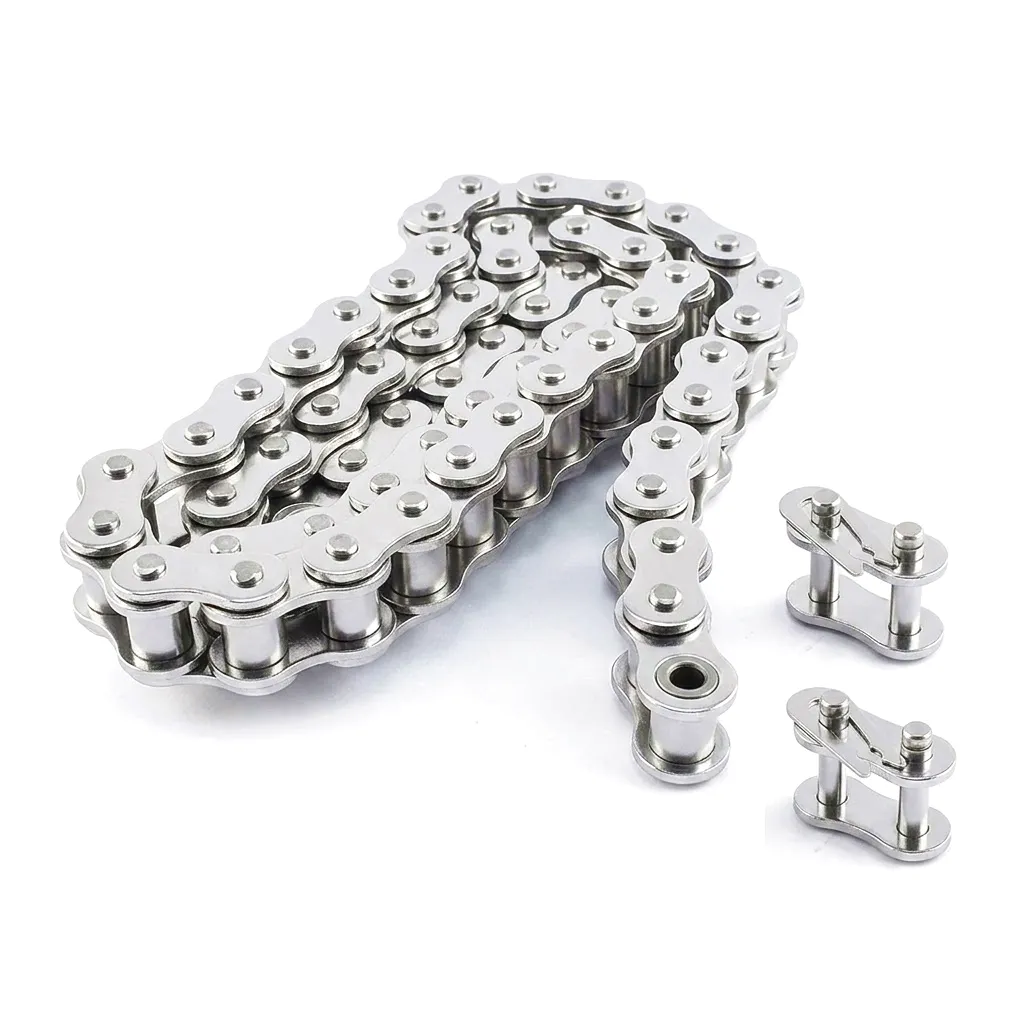
Corrosion-resistant roller chains are purpose-built transmission components designed to maintain structural integrity, load-bearing capacity, and smooth engagement with sprockets even under prolonged exposure to chemicals, brine, humidity, and temperature fluctuations. Unlike coated or plated versions of standard chains — which eventually suffer coating failure at wear points — genuine corrosion-resistant roller chains are constructed from inherently resistant materials throughout every component: inner plates, outer plates, pins, bushings, and rollers. This systemic approach to material selection ensures that the chain’s resistance is not surface-dependent but intrinsic to its metallurgical composition, making it the preferred specification for long-service applications where replacement access is difficult or costly.
Looking for corrosion-resistant roller chain tailored to your application? Get a fast, competitive quotation from our engineering team.
📧 Get a Quote Now
How Corrosion-Resistant Roller Chain Works: Engineering Principles Explained
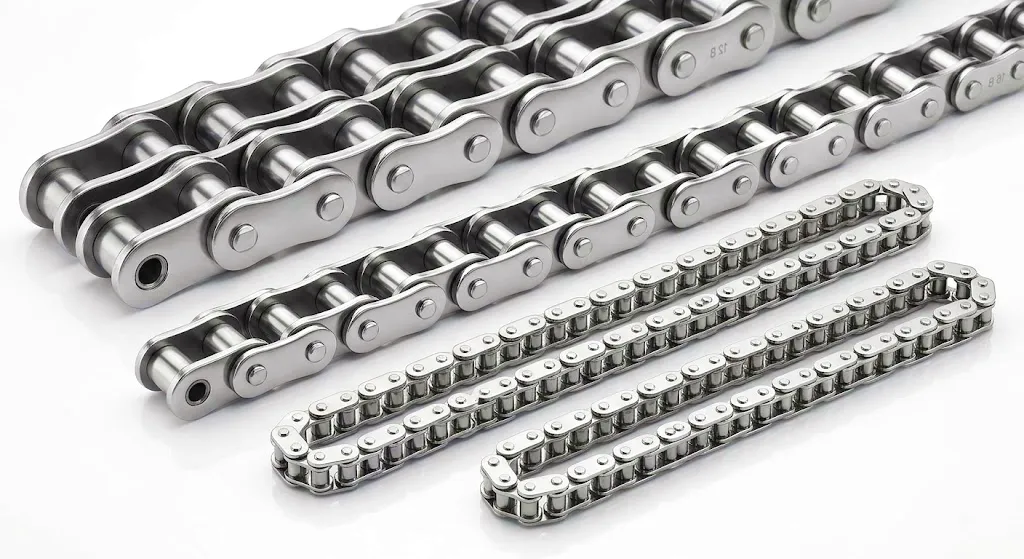
The fundamental operating principle of a roller chain remains consistent regardless of its material grade: as the driving sprocket rotates, its teeth engage sequentially with the chain’s hollow cylindrical rollers. Each roller is free to rotate independently on its bushing, converting the sliding friction that would otherwise occur at the sprocket tooth contact point into rolling friction. This mechanical distinction is crucial — rolling contact dramatically reduces both wear rate and the energy required to transmit power. The chain links articulate at their pin-bushing joints, allowing the chain to wrap smoothly around sprockets and follow its designated path through the drive assembly, whether that involves a straight run, an inclined conveyor, or a tensioner guide system.
Where corrosion-resistant roller chain diverges from standard specification is in the materials assigned to each of these functional components. In a chemically aggressive or marine environment, the pin-bushing interface is particularly vulnerable, since the relative oscillating motion at this joint creates micro-gaps through which corrosive media can penetrate and accelerate metal dissolution. Corrosion-resistant variants address this by specifying austenitic stainless steel, nickel alloy, or specially treated materials for these contact surfaces, while the plates — which bear the tensile load — are selected from alloys or stainless grades offering both mechanical strength and electrochemical stability in the anticipated service medium. The net result is a drive system capable of sustained performance across service life spans that conventional carbon steel chains cannot approach under the same conditions.
⚙
Rolling Contact Mechanics
Free-rotating rollers engage sprocket teeth to convert sliding friction into efficient rolling motion, reducing wear and energy consumption across the drive system.
🔒
Joint Articulation Sealing
Pin-bushing interfaces in corrosion-resistant grades use precision-fit tolerances and corrosion-stable alloys to prevent aggressive media ingress during oscillating motion.
🌌
Electrochemical Stability
Stainless and nickel alloy grades resist galvanic corrosion by maintaining stable electrode potentials in saline, acidic, and alkaline operating media.
Core Materials in Corrosion-Resistant Roller Chain Construction
Material selection is the defining factor that separates a genuinely corrosion-resistant roller chain from a merely coated one. The engineering challenge is to balance corrosion resistance, tensile strength, fatigue life, and machinability within the constraints of pitch accuracy and weight. Across the UK’s chemical, offshore, and coastal processing sectors, four principal material categories dominate specification sheets, each with distinct performance profiles that determine their fitness for a given service environment.
● AISI 304 Stainless Steel
The most widely specified grade in food-grade processing and light chemical handling. Offers excellent resistance to oxidising acids, mild alkalis, and most organic compounds. Contains 18% chromium and 8% nickel, forming a self-regenerating passive oxide layer. Well-suited to UK water treatment and dairy industry applications. Cost-effective for environments below moderate chloride concentrations.
● AISI 316 Stainless Steel
The preferred specification for marine and coastal industrial applications, as well as chloride-rich chemical processing. The addition of 2–3% molybdenum significantly enhances resistance to pitting and crevice corrosion compared with 304 grade. Widely used across Scottish North Sea supply chain facilities, south-coast shipbuilding yards, and Humber estuary chemical terminals. Provides reliable performance in seawater splash zones and CIP-cleaned production lines.
● Nickel-Plated & Nickel Alloy
Nickel plating over carbon steel provides a moderate corrosion barrier at lower cost, appropriate for intermittent exposure conditions. Solid nickel alloy chains, while premium-priced, offer superior resistance to reducing acids and certain high-temperature corrosive media encountered in speciality chemical manufacturing. Where budget constraints preclude full stainless specification, nickel-plated roller chain represents a validated intermediate solution for humid UK warehouse and packaging environments.
● Plastic & PTFE-Coated Components
For ultra-light-load pharmaceutical and electronics assembly applications where even trace metallic contamination is unacceptable, engineered plastic rollers or PTFE-coated pins eliminate metallic contact with the product stream entirely. These hybrid construction approaches can be incorporated into stainless link plates to produce a fully non-metallic contact surface while retaining the structural characteristics of the stainless frame. Increasingly specified in UK pharmaceutical manufacturing hubs such as those around Macclesfield and Sandwich.
Product Technical & Performance Specifications
The table below provides reference performance parameters for corrosion-resistant roller chain across standard pitch designations. Actual values vary according to grade selection, operating temperature, and lubrication regime. Contact our engineering team for application-specific calculations.
| Designación de cadena |
Paso (mm) |
Carga mínima de rotura (kN) |
Material Grade |
Plate Width (mm) |
Diámetro del pasador (mm) |
Velocidad máxima (m/s) |
Temp. Range (°C) |
| SS08B-1 |
12.7 |
17.8 |
AISI 316 |
7.75 |
4.45 |
7.5 |
-40 to +300 |
| SS10B-1 |
15.875 |
22.2 |
AISI 316 |
9.65 |
5.08 |
6.8 |
-40 to +300 |
| SS12B-1 |
19.05 |
28.9 |
AISI 316 / 304 |
11.68 |
5.72 |
6.0 |
-40 to +300 |
| SS16B-1 |
25.4 |
60.0 |
AISI 316 |
17.02 |
8.28 |
5.2 |
-40 to +300 |
| SS20B-1 |
31.75 |
95.0 |
AISI 316 |
19.56 |
10.19 |
4.8 |
-40 to +300 |
| SS24B-1 |
38.1 |
160.0 |
AISI 316 |
25.40 |
14.63 |
4.2 |
-40 to +300 |
* All values are indicative reference data. Confirm with Ever Power engineering for your specific application load, speed, and chemical exposure profile.
High-Strength Roller Chain Products
For heavy-duty and extreme-load applications — including construction equipment, quarrying machinery, and large-scale industrial drives — our high-strength roller chain range delivers exceptional tensile performance alongside targeted corrosion protection. These products are engineered to meet the demanding specifications of OEM and aftermarket requirements in the Caterpillar equipment segment, where reliability under sustained mechanical stress is non-negotiable.
Caterpillar OEM Spec
Cadena de rodillos de alta resistencia 120HSP-00
Engineered to exceed OEM specifications for Caterpillar machinery, the 120HSP-00 delivers superior fatigue resistance and pitch-precise construction. Its enhanced plate geometry and premium heat treatment deliver consistent performance in high-cyclic, high-load drive systems encountered across UK quarrying, civil engineering, and infrastructure sectors. Available with stainless component upgrades for operations in wet or corrosive environments.
View Product Details ›
Caterpillar OEM Spec
Cadena de rodillos de alta resistencia C100HSP-00
The C100HSP-00 is the go-to specification for Caterpillar C-series equipment operating in demanding load cycles. Manufactured with precision-controlled pitch tolerances and high-alloy link plates, it provides the tensile capacity and wear resistance needed for continuous-duty applications in UK mining, port handling, and aggregate processing facilities. Custom material upgrades are available through Ever Power’s specialist engineering team to address specific corrosion exposure requirements.
View Product Details ›
Industrial Application Scenarios: Where Corrosion-Resistant Roller Chain Performs
Application: Offshore Marine & Subsea Equipment (Aberdeen, Scotland)
Scotland’s northeast coast, centred on Aberdeen, is home to one of Europe’s most significant offshore energy supply chain ecosystems. Roller chains used in deck machinery, anchor handling systems, subsea remotely operated vehicles, and marine crane slewing mechanisms are subjected to continuous salt-spray exposure, full seawater immersion, and wide temperature cycling as equipment moves between surface and seabed environments. AISI 316L stainless roller chain is the baseline specification for these applications, with duplex stainless grades increasingly specified for highest-exposure positions. Chain assemblies destined for subsea use are typically subject to 100% batch inspection and certified to DNV or Lloyd’s Register quality requirements, both of which Ever Power can accommodate. The reliability of the chain drive in ROV tether management systems and wellhead intervention equipment is safety-critical, making chain grade selection a matter that engages both engineering and HSE compliance teams simultaneously.
Application: Chemical & Petrochemical Processing Plants (Teesside & South Yorkshire)
The concentration of chemical manufacturing along the Tees Valley — encompassing sites at Wilton, Seal Sands, and Billingham — creates a consistent, high-volume demand for corrosion-resistant roller chain in conveying, agitator drive, and reactor loading systems. Chains in these environments face exposure to chlorine compounds, sulphur dioxide, ammonia derivatives, hydrochloric acid vapour, and pressurised steam. The selection challenge is compounded by the need for chains to operate reliably both in process areas where acid vapours are present and in outdoor storage and logistics zones where winter salt gritting of roadways raises ambient chloride levels. Specifying AISI 316 roller chain as a site-wide standard simplifies maintenance planning and eliminates the risk of inadvertent installation of standard carbon steel chain during emergency repair situations. Sheffield’s speciality steels manufacturing sector similarly relies on roller chain in furnace charging and heat treatment conveyor systems where elevated temperatures compound corrosion challenges.
Application: Food & Beverage Production Lines (Yorkshire, Lincolnshire, East Anglia)
The east of England and Yorkshire are home to some of the UK’s largest food processing and packaging facilities, supplying supermarket chains, food service operators, and export markets across Europe. Production lines in poultry processing, ready-meal manufacture, dairy packaging, and beverage filling are subject to aggressive CIP cleaning cycles using sodium hydroxide, peracetic acid, and hypochlorite solutions at elevated temperatures. Standard carbon steel chains cannot survive these cleaning regimes without rapid rust formation, and nickel-plating solutions eventually fail at articulation points. Stainless roller chain — typically 304 for dry zones and 316 for wet zones — is now an effectively mandatory specification for UK food production facilities seeking compliance with BRC Global Standards for Food Safety, which many major retailers require as a supplier qualification. Beyond hygiene compliance, the smooth surface finish of stainless chain also reduces noise levels on continuous production lines, contributing to improved operator working conditions under the Control of Noise at Work Regulations.
Application: Municipal Water Treatment Infrastructure (Birmingham, Manchester, Bristol)
Large-scale water treatment works operated by utility companies serving Birmingham, Greater Manchester, and the Bristol Water supply area routinely specify corrosion-resistant roller chain in sludge conveyor drives, aeration mechanism actuators, screen rake drives, and clarifier skimmer mechanisms. These applications are characterised by continuous low-speed operation in an environment combining high ambient humidity, chlorine-dosed process water, and biological contamination. Chains operating in sludge treatment zones face particularly aggressive attack from hydrogen sulphide gas generated by anaerobic digestion processes. Extended service intervals are especially valuable in water treatment applications, since planned access to chain drives often requires partial process shutdown and confined-space entry certification. Stainless roller chain in 316 grade, properly tensioned and correctly lubricated with a water-resistant food-grade grease, can achieve maintenance intervals several times those achievable with carbon steel chain in equivalent conditions, representing substantial operational savings over the 25–40 year asset life of a water treatment facility.
Application: Shipbuilding Yards & Port Handling Equipment (Southampton, Newcastle, Belfast)
Britain’s remaining shipbuilding and ship repair yards — located at Southampton, on the River Clyde, in Newcastle upon Tyne, and at the significant naval complex in Belfast — operate heavy lifting and positioning equipment that operates in direct salt-air exposure throughout its service life. Roll-on roll-off ferry ramp mechanism drives, drydock flooding gate actuators, floating dock mooring winch drives, and ship-launching cradle release systems all rely on roller chain assemblies that may operate infrequently but must perform without failure when required. In these safety-critical applications, the ability to inspect a chain and confirm that its integrity is uncompromised by surface corrosion is as operationally important as its mechanical performance specification. Similarly, the UK’s major container ports at Felixstowe, Southampton, and London Gateway operate stacker crane and automated guided vehicle systems where roller chain in the drive systems encounters the full range of coastal environmental challenges compounded by heavy grease contamination from dock machinery.
Fabricación de energía Ever
Precision Manufacturing & Custom Corrosion-Resistant Chain Solutions
Ever Power has built its reputation on a manufacturing philosophy that places precision engineering, verified material traceability, and responsive customer engineering support at the centre of every production run. Unlike volume commodity chain producers, Ever Power operates purpose-configured production lines for corrosion-resistant roller chain, ensuring that stainless and alloy grade chains are processed entirely separately from carbon steel production to eliminate any risk of cross-contamination or inadvertent substitution. This segregated production approach is supported by an in-house metallurgical laboratory that performs incoming material certification, dimensional inspection, tensile testing, and hardness verification on every production batch before despatch.
Ever Power’s customisation capability spans the full parameter range that UK industrial buyers require. Pitch from 4mm to 76.2mm, single and multiple strand configurations, attachment plate modifications for conveyor applications, special roller materials including nylon and stainless, extended pin options for side-flexing attachments, and bespoke connector link designs are all achievable within normal production scheduling. For OEM customers requiring volume continuity, Ever Power maintains dedicated buffer stock programmes with guaranteed despatch lead times that support UK just-in-time production systems. Material certifications to EN 10204 3.1 or 3.2, as required by downstream inspection authorities or insurance surveyors, are available as standard on corrosion-resistant grades.
🏭
Segregated Production Lines
Zero cross-contamination between carbon steel and stainless grade manufacturing
📋
Full Material Traceability
EN 10204 3.1 / 3.2 certification available; heat number traced to original mill certificate
⚙
Custom Pitch & Attachment Options
4mm to 76.2mm pitch; A1/A2/K1/K2 attachments; extended pins; hollow pins on request
🚚
UK-Aligned Logistics
DDP UK delivery; dedicated account manager; emergency replacement despatch programme available
Ready to specify a corrosion-resistant roller chain solution for your UK facility? Our engineering team provides no-obligation technical consultation and fast quotation turnaround.
📧 Request a Custom Quote
Customer Success Story: Tees Valley Chemical Processing Facility
Case Study: Teesside, North East England
Speciality Inorganic Chemical Plant — Conveyor Drive System Overhaul
A speciality inorganic chemicals manufacturer operating a large production facility on the Tees Valley industrial corridor approached Ever Power following a period of escalating maintenance expenditure on their raw material conveyor drive systems. The facility processes mineral acid derivatives and produces inorganic salts used across the pharmaceutical and electronics manufacturing sectors. Their existing drive chains — a mix of zinc-plated carbon steel and coated standard chains — were requiring complete replacement every four to six months, with corrosion-driven pin seizure causing two to three unplanned stoppages per chain per replacement cycle. Each unplanned stoppage required a two-hour recovery operation and carried a production loss value in excess of £3,500.
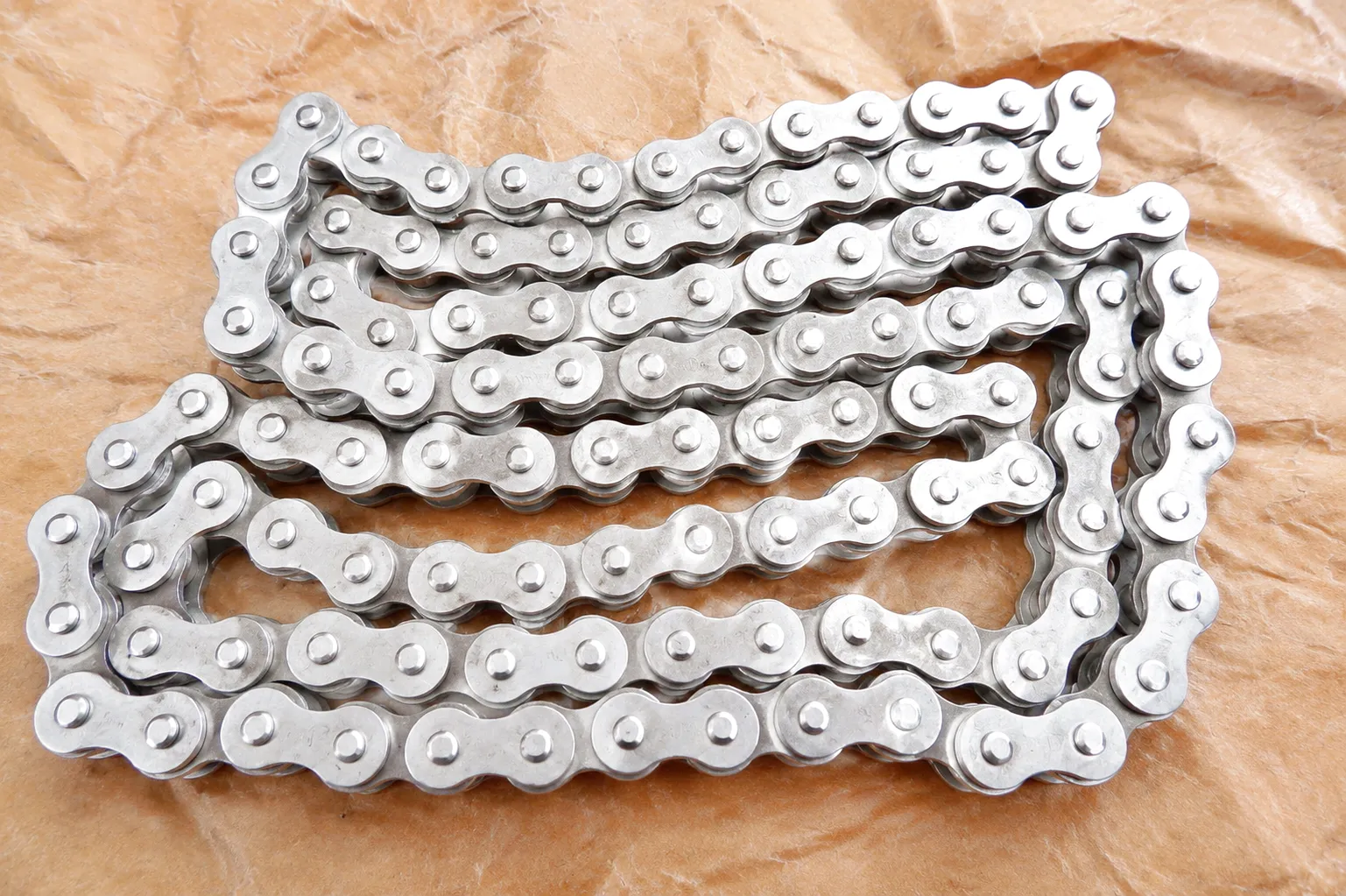
Ever Power’s technical sales engineering team conducted an on-site assessment, reviewing the chain drive geometry, load calculations, operating speed, and chemical exposure profile across eight separate conveyor drive positions. Based on this analysis, Ever Power specified a custom-length AISI 316 stainless roller chain in 12B-1 pitch with extended inner plate height to accommodate the existing attachment brackets, supplied with EN 10204 3.1 material certification and 100% dimensional inspection on the first production batch. The chain was delivered duty-paid to the facility’s stores department, accompanied by a detailed installation guide and recommended tensioning procedure prepared by Ever Power’s applications engineers.
Following installation across all eight drive positions, the facility tracked chain condition over a 24-month period. No replacement was required on any of the eight drives within the first twenty months of service. The two chains in the highest-acid-exposure positions showed measurable but non-critical elongation at 20 months and were replaced at the facility’s next planned annual shutdown as a precautionary measure — within specification and without triggering any unplanned stoppage events. The total maintenance cost for chain drives across the facility’s 24-month review period was reduced by 68% compared with the equivalent period under the previous standard-chain specification, and unplanned stoppage events attributable to chain failure dropped from an average of 18 per year to zero. The procurement team has since standardised the Ever Power stainless roller chain specification across all conveyor and elevator drives site-wide.
Lo que dicen nuestros clientes
★★★★★
“We had written off our conveyor drive systems as an uncontrollable maintenance cost. Ever Power’s 316 stainless chains have been running in our acid conveyor positions for 22 months without a single failure. The EN 10204 certification made our quality audit simple, and the matched material specification across all eight positions simplified our spares holding enormously. This is what proper engineering support from a supplier looks like.”
— Engineering Manager
Speciality Inorganic Chemicals, Teesside
★★★★★
“The custom extended inner plate specification Ever Power provided for our conveyor attachments was exactly right first time. No back-and-forth, no substitution, no surprise lead time extensions. The chain sits perfectly on our existing sprockets and the pitch accuracy is excellent. For a food-grade facility where chain appearance during customer audits matters, the stainless finish is professional and convincing. We’ve since moved all four of our production line chains to Ever Power supply.”
— Maintenance Director
Ready Meals Manufacturer, Yorkshire
★★★★★
“We operate deck machinery on a ship repair berth on the Solent. The saltwater exposure is relentless and our previous chain supplier’s product was down to replacement every three months. Ever Power’s marine-grade stainless roller chain has now been in service for 14 months with only scheduled lubrication maintenance. The 3.1 material certs were accepted by our classification surveyor without question. Pricing was competitive, delivery was DDP to our yard, and the account manager responded to technical queries within the hour. This is exactly the supply relationship we need.”
— Fleet Maintenance Superintendent
Ship Repair Yard, Southampton