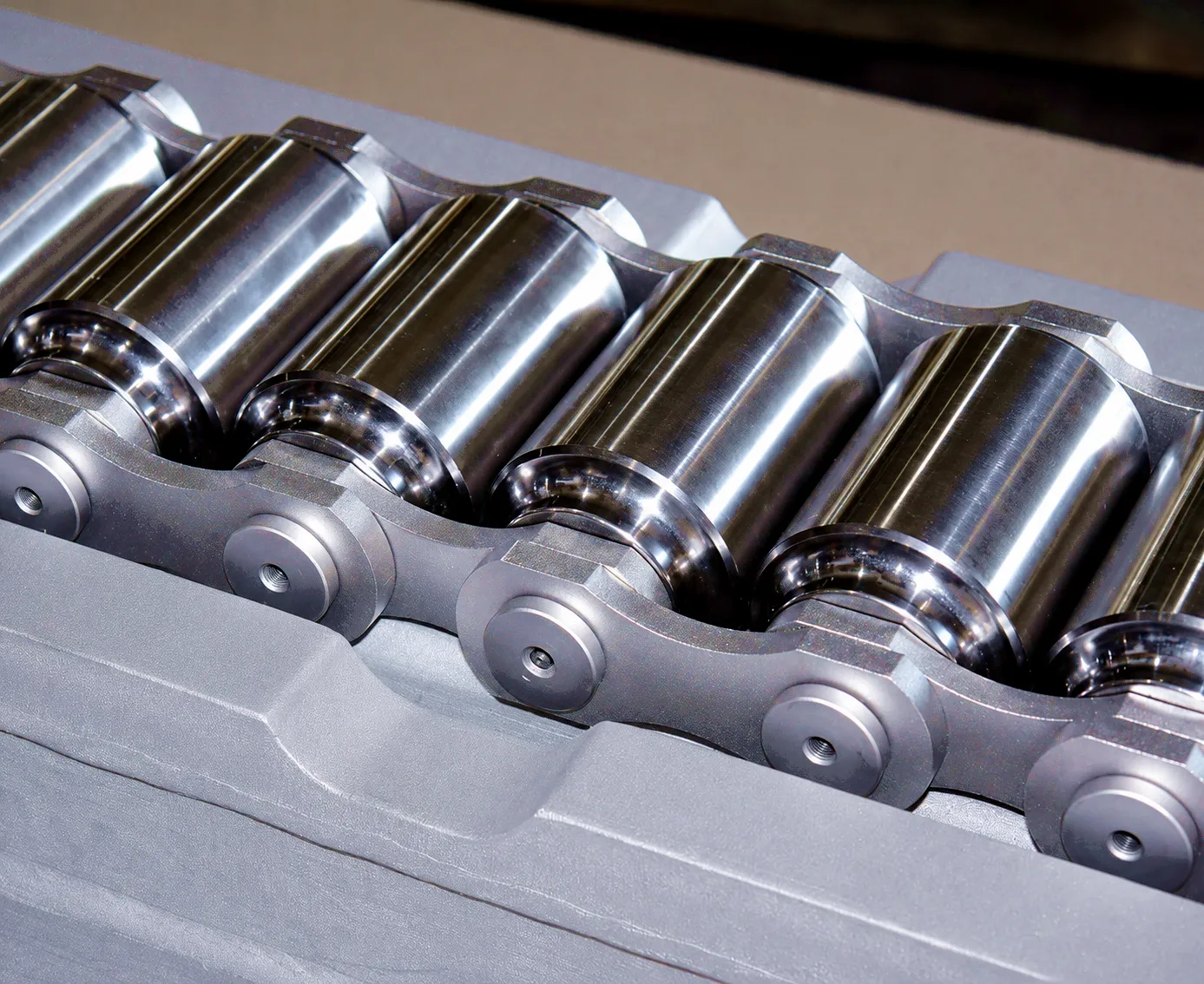
 Walk through any substantial manufacturing facility in Birmingham, Coventry, or Sheffield, and you will almost certainly encounter roller chain in active operation — wrapped around sprockets, transferring torque, and keeping production lines moving with quiet mechanical precision. It is one of the most widely used power transmission components in the world, yet many engineers and procurement professionals who rely on it daily have never had a thorough introduction to what it actually is, how it works, or why it performs so reliably across such a vast range of operating conditions. This guide sets out to change that.
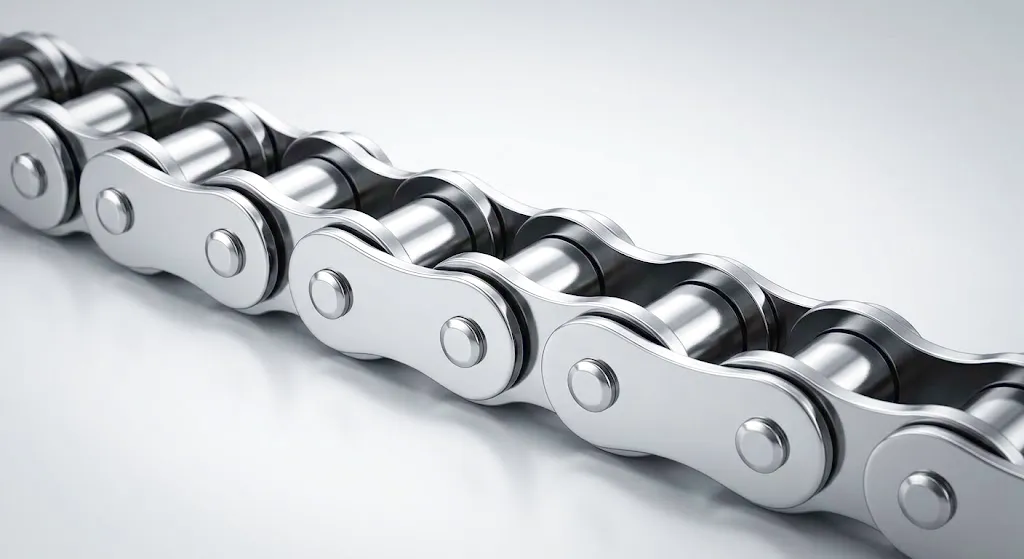
A roller chain is a mechanical assembly of interlinked metal components designed to transmit rotary motion and torque between two or more sprockets. The chain engages with the sprocket teeth in a precise, positive-drive relationship, meaning there is no slippage between the chain and the sprocket — unlike belt drives, which can creep or slip under high load. This positive engagement is what makes roller chain the preferred solution in applications where exact speed ratios and high load capacity are non-negotiable requirements. Whether you are specifying a drive for a conveyor system, an agricultural machine, or an industrial press, understanding the fundamentals of roller chain will allow you to make better engineering decisions from the outset.
Funktionsprinzip
How a Roller Chain Transmits Power
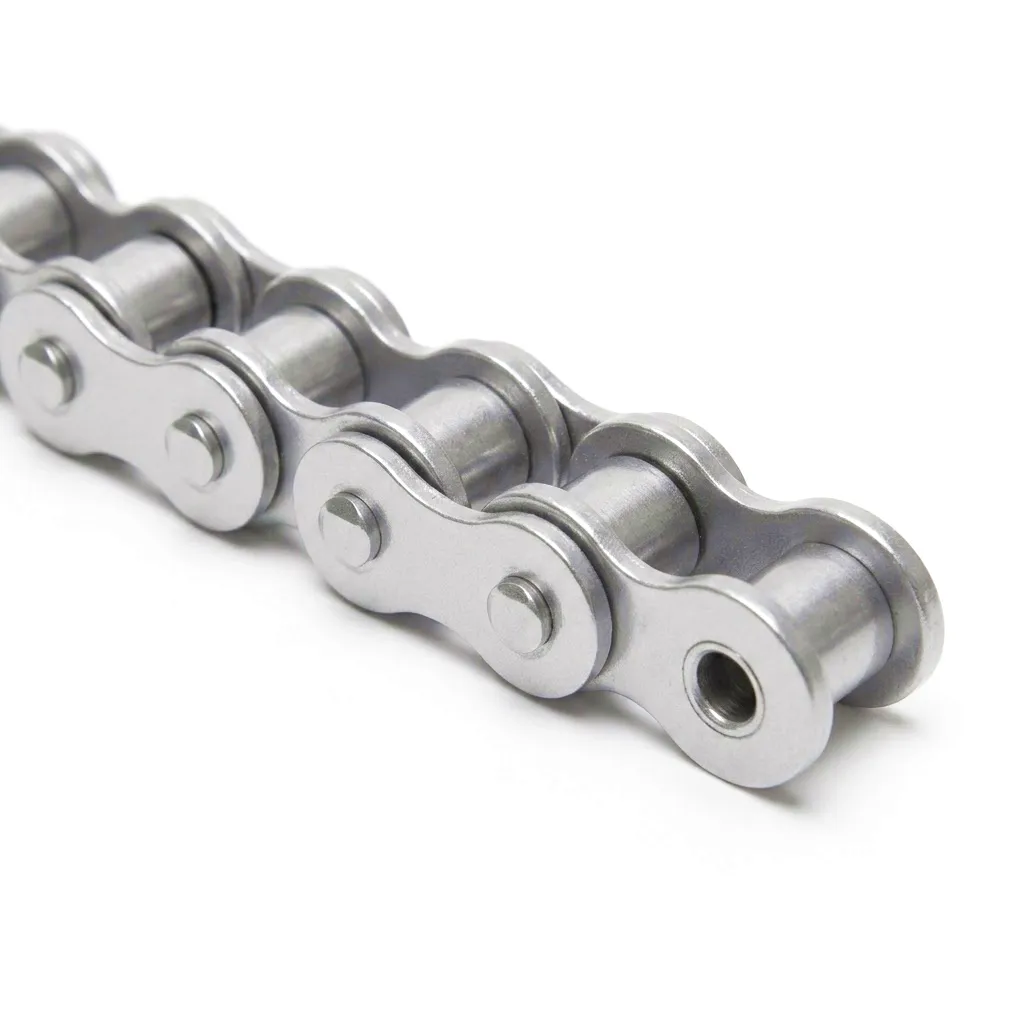
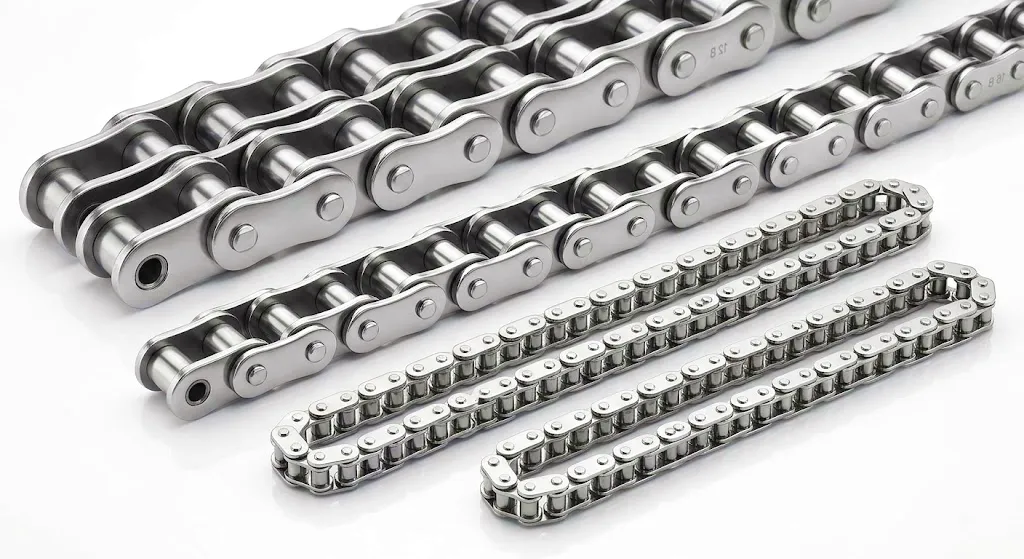
Alternating sets of steel plates form the lateral structure of the chain, creating two interleaved rows that hold the pins, bushings, and rollers in precise geometric alignment throughout operation.
Each link pivot consists of a hardened steel pin passing through a steel bushing, around which a free-rotating roller is fitted. As the roller meets a sprocket tooth, it rolls rather than slides, dramatically reducing friction and wear at the engagement point.
The chain pitch — the distance between consecutive pin centres — must exactly match the sprocket tooth pitch. When this relationship is maintained, every tooth engages cleanly and the speed ratio between driving and driven sprockets remains constant under virtually any load.
The kinematic efficiency of this arrangement is what has sustained roller chain’s dominance in industrial power transmission for well over a century. When the drive system is properly tensioned and lubricated, the mechanical efficiency of a roller chain drive typically exceeds 98%, outperforming most belt-based alternatives under comparable load conditions. For UK manufacturers operating to tight energy efficiency targets and cost-per-output metrics, this level of transmission efficiency carries real commercial value, particularly in high-cycle production environments such as automated packaging lines in West Midlands logistics parks or press shop transfer systems in the automotive supply chains serving manufacturers across the East Midlands.
Core Materials
Materials That Define Roller Chain Performance
The foundation of standard roller chain. Carbon steel link plates and pins are typically carburised or through-hardened to achieve surface hardness values of 58–62 HRC on pins and 40–50 HRC on plates, balancing core toughness with a wear-resistant outer layer.
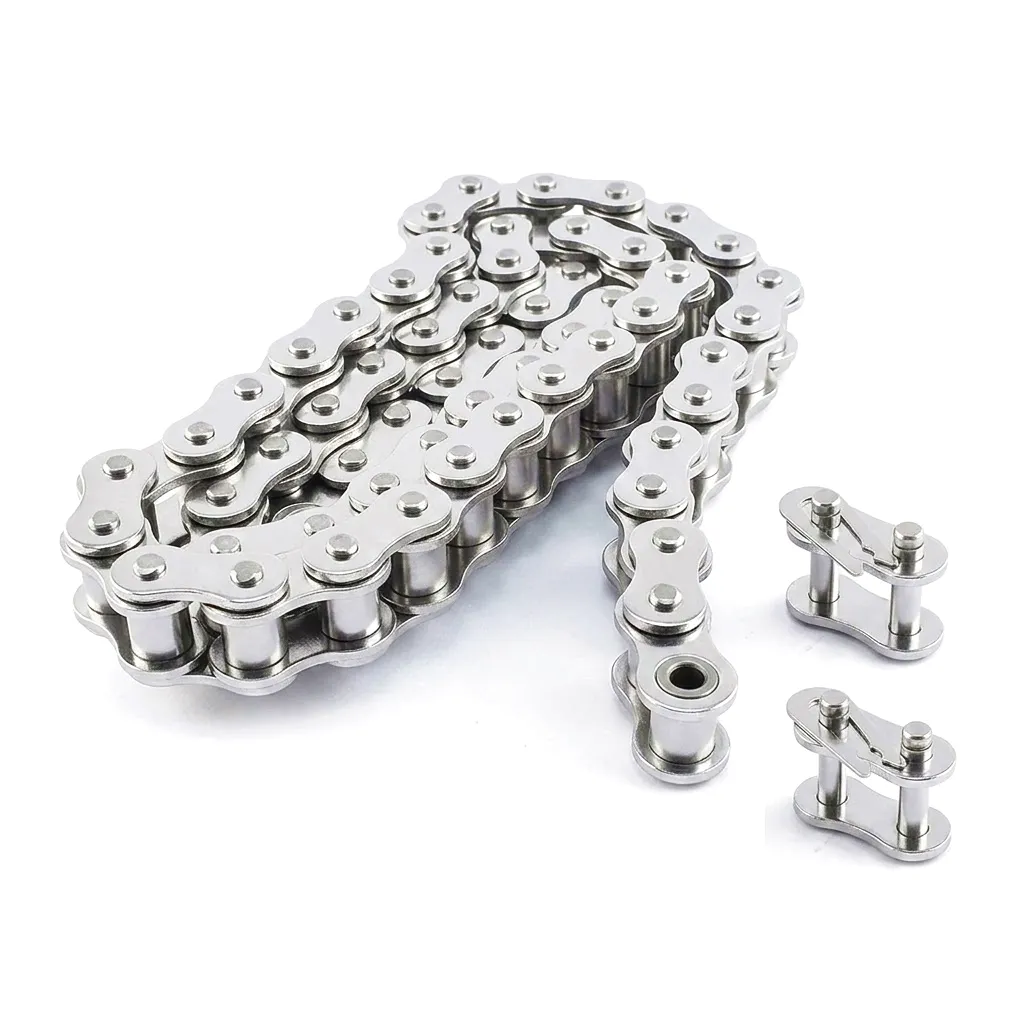
Selected for food-grade conveying, pharmaceutical processing, and marine environments where corrosion resistance outweighs the need for maximum tensile strength. Grade 316 provides superior resistance to chloride-bearing environments compared to 304, which is important for coastal UK installations.
Electroless nickel plating and specialist zinc-phosphate coatings extend the service life of standard chain in mildly corrosive or humid environments — a common requirement in UK food processing facilities and breweries across Yorkshire and Humberside where wash-down procedures are routine.
Pre-lubricated sintered bushings are standard in extended-service chains. The porous metallic structure retains lubricant internally, releasing it progressively under operating temperature and load — ideal for applications where external lubrication access is restricted or impossible.
Technische und Leistungsparameter von Rollenketten
| Parameter | Standardsortiment | Heavy-Duty Range | Anmerkungen |
|---|---|---|---|
| Steigung (mm) | 6.35 – 38.10 | 50.80 – 101.60 | Per ISO 606 / BS EN ISO 606 |
| Tensile Strength (kN) | 4.4 – 60.0 | Up to 400+ | Multi-strand doubles/triples tensile |
| Betriebstemperatur (°C) | -20 bis +150 | -40 to +400 (special alloys) | Heat-treated pins for high-temp service |
| Walzendurchmesser (mm) | 3.30 – 22.23 | 28.58 – 57.15 | Larger rollers reduce sprocket tooth stress |
| Transmission Efficiency | 97 – 98.5% | Up to 99% (precision class) | With correct tension and lubrication |
| Speed Rating (m/s) | 0 – 12 | Up to 30+ (precision bush) | Speed limit set by fatigue, not tensile load |
| Dehnung bei Verschleißgrenze (%) | 1.5 – 2.0 | 1.0 – 1.5 (precision) | Chain should be replaced at these limits |
| Stifthärte (HRC) | 58 – 62 | 60 – 64 (heavy) | Surface carburised, tough core retained |
| Elongation Safety Factor | 6:1 – 8:1 | Up to 12:1 (conveyor) | Shock load service requires higher factor |
Why Roller Chain Remains the Industry Standard
Despite continuous advances in belt drive, gear drive, and hydraulic transmission technologies, roller chain retains a dominant position across heavy industrial applications globally and across the UK manufacturing sector. The reasons are both technical and economic.
Unlike V-belts or flat belts, roller chain cannot slip under peak load conditions. In applications such as packaging line indexing, CNC tool changers, or timing-critical conveyor systems, maintaining an absolutely consistent speed ratio is essential. Roller chain delivers this unconditionally, making it the safe, predictable choice for high-stakes drive applications.
A single roller chain drive can accommodate speed ratios up to 7:1 without difficulty, and with correct sprocket selection even higher ratios become manageable. This eliminates the need for intermediate gearboxes in many applications, simplifying the drivetrain, reducing component count, and lowering overall maintenance requirements — a real-world cost advantage for UK maintenance teams operating under planned preventive maintenance regimes.
Roller chain length is adjusted simply by adding or removing links. This is a significant practical advantage over belts, which require replacement of the entire loop when the centre distance changes. In retrofit or upgrade scenarios — common in ageing UK factory environments — this means drive modifications can often be completed during a scheduled maintenance window without specialised equipment or extended downtime.
A single roller chain can drive multiple sprockets mounted on separate shafts simultaneously — a topology that is difficult or impossible to replicate with conventional belt drives without complex tensioning systems. Conveyor systems in distribution centres, multi-head filling machines in food manufacturing, and rotary indexing tables all exploit this capability to simplify their mechanical architecture while maintaining synchronised output across multiple axes.
Ausgewählte Rollenkettenprodukte
24B pitch, rubber top attachment for grip-sensitive conveying. Ideal for inclined conveyor and assembly line applications requiring positive product control across a wide range of industrial environments.
Produkt ansehen →
20B pitch rubber top chain for medium-duty conveyor and product accumulation systems. Delivers the silent, smooth travel and tight pitch tolerance required by modern automated fulfilment lines.
Produkt ansehen →
Industrielle Anwendungsszenarien in ganz Großbritannien
Body-in-white production lines, press transfer systems, and component conveyors in facilities around Birmingham and Coventry rely on heavy-duty roller chain drives to handle the high torque and continuous-duty cycles inherent in press shop operations. The ability to withstand shock loads from press actuation while maintaining precise part positioning makes roller chain the default drive solution at this tier of automotive manufacturing.
Sheffield’s steel processing sector, though smaller than its industrial peak, continues to operate rolling mills, forging presses, and materials handling equipment where elevated operating temperatures and heavy shock loading are unavoidable. High-temperature roller chain — manufactured from heat-resistant alloy steel and configured with extended-pitch for high-torque slow-speed drives — is specified routinely for these environments.
Combine harvesters, grain augers, seed drills, and baling machinery operating across the arable farmland of Norfolk, Lincolnshire, and Suffolk all incorporate roller chain extensively. The chain must perform reliably during seasonal harvest peaks, often operating in dusty, abrasive field conditions without the benefit of continuous lubrication — a scenario that particularly favours the use of pre-lubricated and sealed roller chain variants.
The enormous automated distribution centres concentrated along the M1 corridor in Northamptonshire and Buckinghamshire process millions of units daily. Conveyor main drives, sorter divert mechanisms, and pallet elevator drives throughout these facilities depend on roller chain to provide the noise-controlled, precise, low-maintenance operation that modern logistics automation demands, often running 24 hours a day with minimal planned downtime windows.
Food-grade stainless steel roller chain, incorporating precision-ground pins and smooth-bore bushings to resist bacterial retention, is widely used in the conveying and processing equipment operated by food manufacturers across the Yorkshire region. Chain sprockets and conveyor tracks in chilled and frozen food environments must tolerate wash-down with high-pressure hot water and caustic cleaning agents — a demanding environment that stainless chain is specifically engineered to handle over extended service intervals.
Quarrying operations in County Durham, waste-to-energy plants on Teesside, and aggregate processing facilities throughout the North East run bucket elevators, drag chain conveyors, and primary crusher drives where roller chain is exposed to abrasive material, vibration, and overload events. Double-pitch conveyor roller chain, heavy series chain, and specialised corrosion-resistant variants all find application across this demanding sector.
Reducing Unplanned Downtime by 62% at a Leeds Packaging Facility
Leeds, West Yorkshire — FMCG Packaging & Distribution Sector
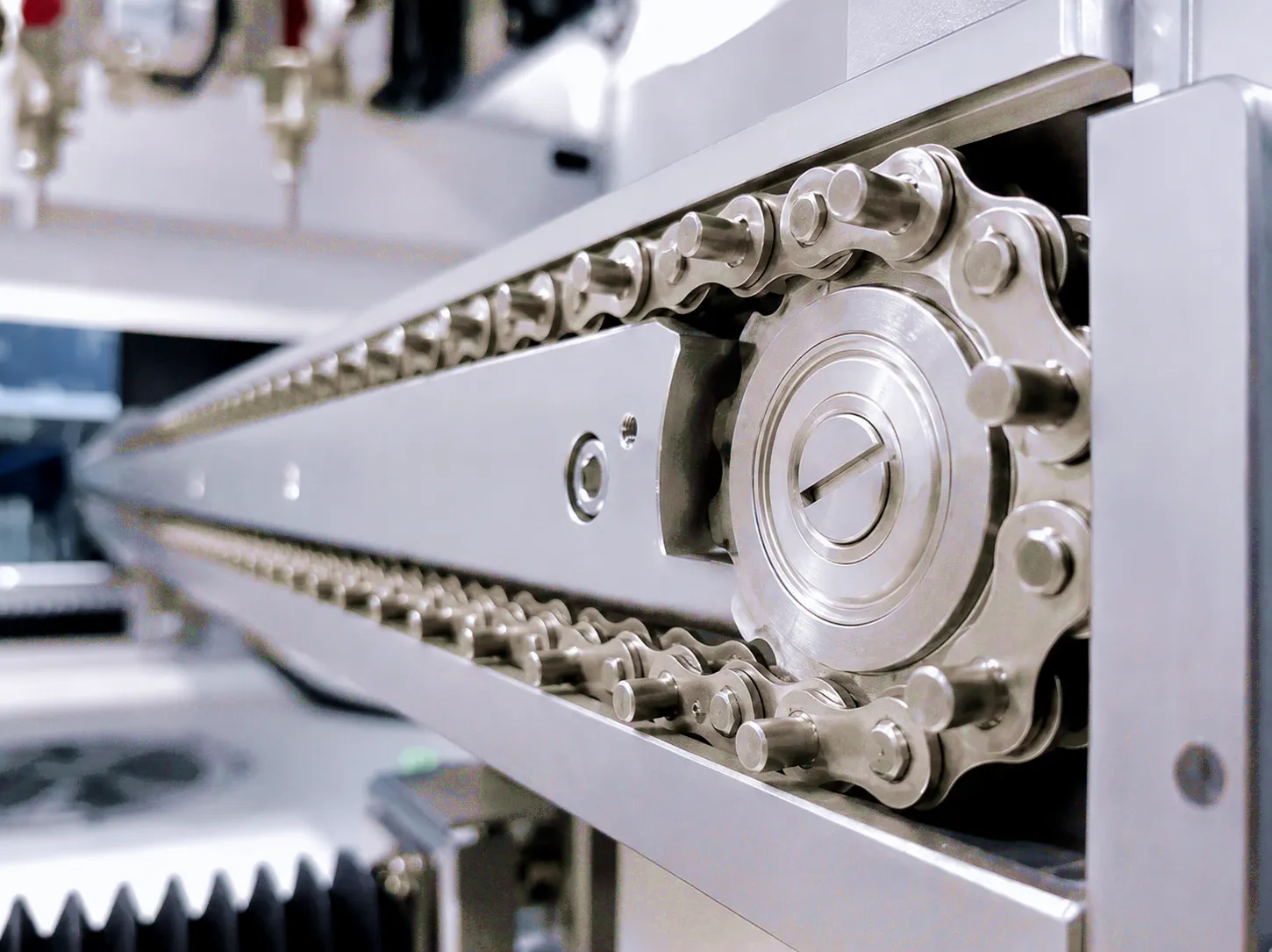
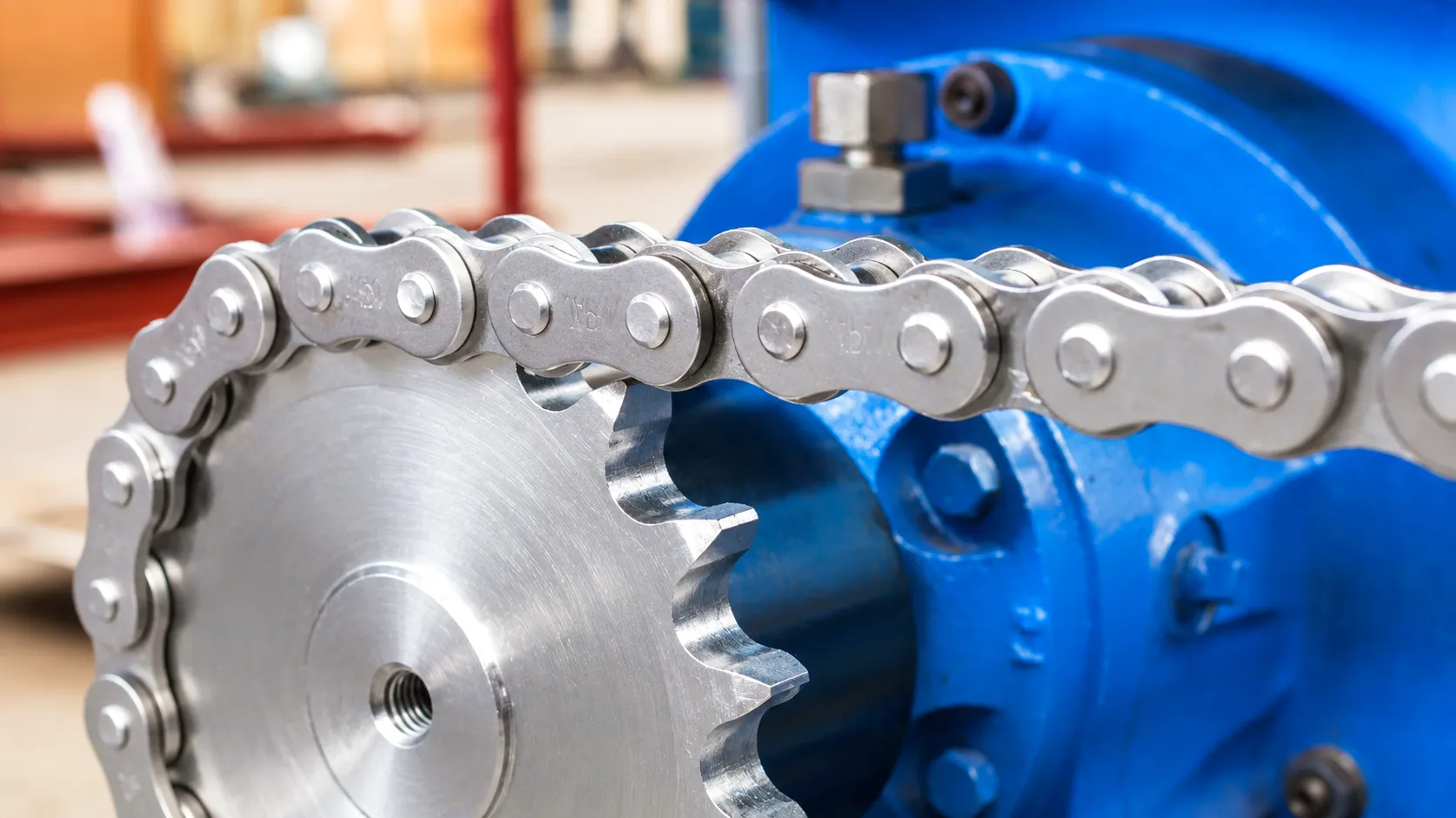
A mid-sized FMCG packaging company operating two production sites on the outskirts of Leeds was experiencing repeated drive chain failures on its primary horizontal carousel conveyors. The existing chain — sourced from a European catalogue supplier — was consistently wearing beyond its 2% elongation limit within 9 to 11 months of service, triggering reactive replacement campaigns that disrupted production scheduling and accumulated significant overtime labour costs. The maintenance team had replaced chain on the same three drives four times in under three years without identifying a root cause or a sustainable solution. The operation ran a two-shift pattern, five days a week, handling a mix of carton and wrapped product at ambient temperature, with the drive systems subjected to frequent stop-start cycling as orders were batched through the facility.
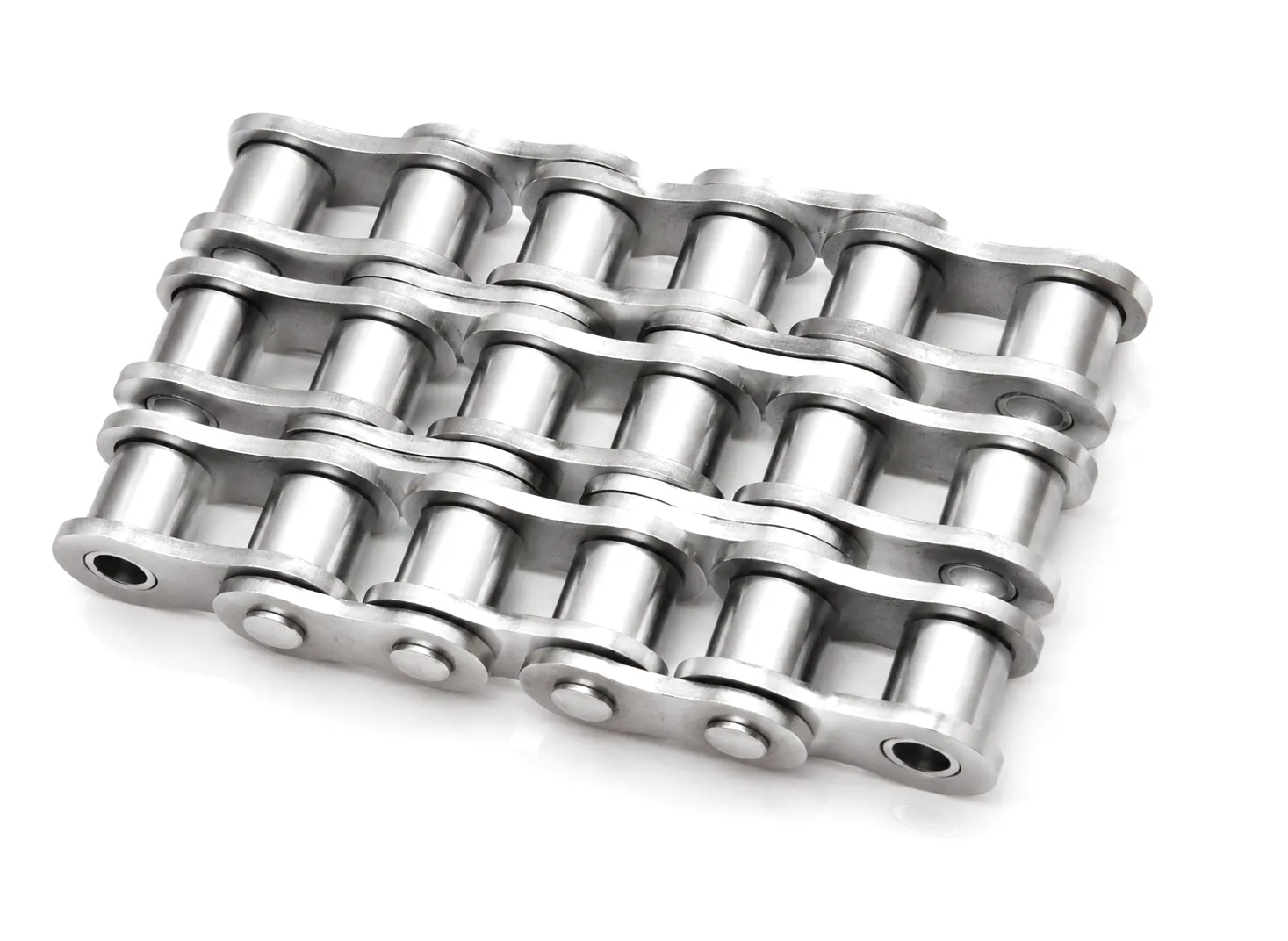
Following a detailed technical review of the existing drive geometry and load profile, Ever Power’s engineering team identified two contributing factors: the chain was under-specified for the cumulative peak shock loading generated during start-stop cycling, and the existing lubrication arrangement was failing to adequately reach the pin-bushing interfaces under operating conditions. Ever Power proposed a switch to a BS/ISO 10A-2 (5/8″ pitch, duplex) heavy-series roller chain in a pre-lubricated sintered bushing configuration, together with redesigned sprocket tooth profiles to reduce engagement shock at the leading tooth. Sample chains were manufactured and dispatched to Leeds within 12 days for installation and monitored operation. Following confirmation of improved elongation characteristics over a 90-day evaluation period, the client converted all three drive systems to the Ever Power chain specification.
Kundenrezensionen
“The precision tolerances on Ever Power’s duplex chain were noticeably tighter than anything we’d used before. After 18 months of continuous operation, we’re still within the acceptable elongation window — something we’d never achieved with our previous supplier. The pre-lubricated bushing design has been a genuine game-changer for us.”
“What impressed us most was the speed of Ever Power’s sampling process. We had prototype chain on-site within two weeks of our initial enquiry, which allowed us to get trial data and make a proper technical decision rather than just going on paper specs. That kind of responsive service is rare when you’re dealing with a manufacturer direct.”
“We needed a stainless steel roller chain in a non-standard pitch with a specific top attachment for a food-grade line at our Yorkshire facility. Ever Power turned around the custom design, test sample, and commercial quote within 20 days. The chain has now been running through two full production cycles with zero elongation concerns. Price was also genuinely competitive against European alternatives.”
Share your drive system specifications with our engineering team. We’ll return a competitive quote with full material certifications, dimensional drawings, and UK-market dispatch timelines within two business days.