Valitse sivu

Technical Knowledge Series

O-Ring and X-Ring Roller Chains: Sealed Chain Technology Explained

An in-depth technical guide for UK engineers, procurement managers, and industrial buyers who need to understand how sealed roller chain technology delivers superior performance, longer service life, and reduced maintenance costs in demanding applications.

O-Ring Roller Chain close-up view

Roller chain has been a cornerstone of mechanical power transmission for well over a century, yet the introduction of sealed-chain variants — specifically O-ring and X-ring roller chains — represents one of the most significant advances the industry has seen in recent decades. In conventional roller chain designs, grease packed between the pin and bushing during manufacture is quickly displaced by centrifugal force, washed away by contaminated environments, or simply squeezed out under heavy load cycling. Once that initial lubrication is gone, metal-on-metal contact accelerates wear, increases elongation, and shortens service intervals dramatically. Sealed chains solve this fundamental problem by trapping lubricant at the pin-bushing interface with an elastomeric seal that survives millions of articulation cycles. For UK manufacturing facilities — from the automotive plants of the West Midlands to the heavy processing lines of South Yorkshire — this technology translates directly into lower total cost of ownership, improved line uptime, and a reduced burden on maintenance teams.

The distinction between O-ring and X-ring variants matters far more than many buyers initially appreciate. Although both types use elastomeric seals to retain internal lubrication, they differ substantially in seal geometry, friction characteristics, pressure distribution, and overall efficiency at speed. Understanding these differences is not merely academic; it is the foundation of specifying the right chain for a given duty cycle, drive ratio, and operating environment. This guide walks through the engineering principles behind both technologies, examines the materials science that governs their performance, and provides the kind of application-specific guidance that procurement teams, maintenance engineers, and project managers across the UK need when making high-stakes component decisions.

How Sealed Roller Chain Technology Works

⚙️
The Pin-Bushing Interface

At the heart of every roller chain is the contact between the pin and the bushing. During every articulation event — as the chain engages and disengages with the sprocket — these two components rotate relative to each other under load. In an unsealed chain, the grease applied during assembly migrates away from this critical zone over time. In a sealed chain, an elastomeric ring sits in a groove machined into the outer plate, pressing against a hardened contact surface on the inner plate. This creates a closed cavity around the pin-bushing junction that holds manufactured grease in place for the entire operational life of the chain.

🔵
O-Ring Seal Geometry

The O-ring is a torus — a simple circular cross-section ring — that sits in a rectangular or semi-circular groove. When the chain is assembled, the outer link plate compresses the O-ring, creating a sealing force around its entire circumference. This compression is carefully engineered: too little, and the seal leaks; too much, and friction losses become unacceptable. O-ring chains have been the industry standard for sealed chain applications for several decades, and their simple geometry means manufacturing tolerances are well understood and consistently achievable at scale.

✴️
X-Ring Seal Geometry

The X-ring — sometimes called a quad-ring or four-lip seal — has a cross-section shaped like the letter X. This geometry creates four contact lips rather than two, which produces two important engineering advantages. First, the sealing contact area is reduced per unit of compression force, which lowers friction and parasitic power loss. Second, the X-ring creates two distinct sealing lips on each face, so even if one lip sustains minor wear or encounters a small contaminant particle, the second lip maintains the seal. The result is a chain that runs measurably cooler, with lower frictional losses, and with a service life that consistently exceeds equivalent O-ring designs in side-by-side comparative tests.

The engineering philosophy behind both designs converges on the same goal: eliminate the lubrication failure mode that kills standard roller chain long before the steel itself would wear out. What differentiates the two is how aggressively they pursue that goal and what performance trade-offs they accept in the process. A well-lubricated standard chain in a clean, controlled environment may perform adequately, but the reality of most UK industrial settings — from the damp, particulate-laden environments of aggregate processing plants in the North East to the chemically aggressive atmospheres found in chemical manufacturing along the Humber Estuary — demands the protection that sealed chains deliver as standard.

Materials Science Behind Sealed Roller Chains
Roller chain material structure

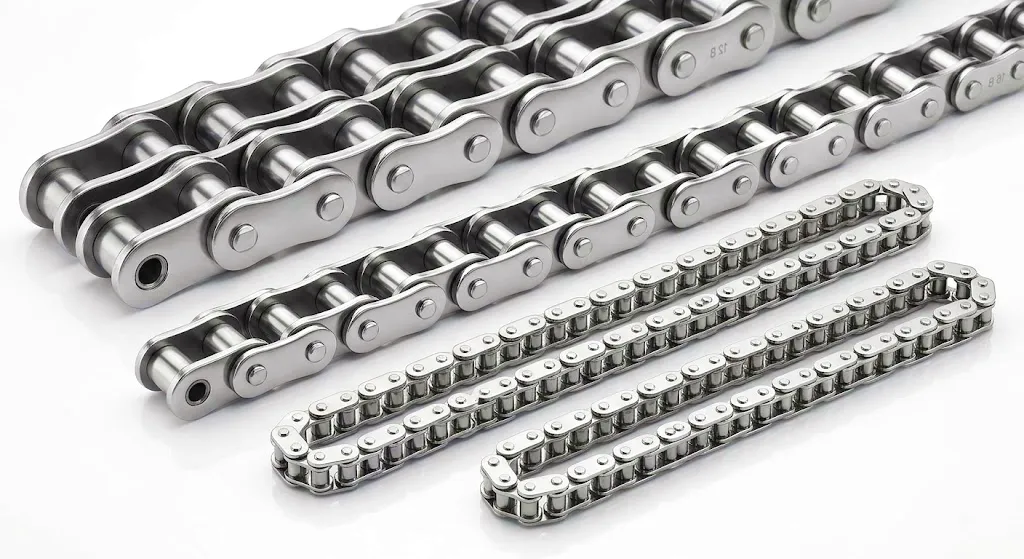
The performance ceiling of any roller chain — sealed or otherwise — is determined by the material specification of its constituent components. In a sealed chain, there are effectively four distinct material systems working in concert: the plate steel, the pin and bushing steel, the roller material, and the elastomeric seal compound. Each must be selected with care, because the thermal, chemical, and mechanical environment of an industrial drive chain tests every one of them simultaneously.

Outer and inner link plates in quality sealed chains are manufactured from medium-carbon steel — typically conforming to grades equivalent to C45 or 42CrMo4 under EN standards — that undergoes carburising or carbonitriding heat treatment followed by oil quenching and tempering. This processing sequence produces a surface hardness in the range of 55–62 HRC with a tough, ductile core that resists the fatigue crack propagation that can cause catastrophic link plate fracture under dynamic load cycling. The transition zone between the hardened case and the ductile core is a critical design parameter; chains manufactured with poorly controlled case depth profiles show disproportionately high rates of fatigue failure in service.

Pins and bushings bear the highest contact stresses in the chain assembly. These components are produced from chromium-bearing low-alloy steels, case-hardened to a greater depth than the plates, and ground to tight dimensional tolerances that ensure uniform load distribution and minimal localised stress concentration. The contact geometry between pin and bushing is engineered so that hydrodynamic lubrication can develop across the full width of the contact band — a condition that the sealed cavity helps maintain by ensuring the grease remains present throughout the chain’s working life.

NBR (Nitrile Butadiene Rubber)

The workhorse seal material for petroleum-based lubricant environments. Excellent resistance to mineral oils, gasoline, and hydraulic fluids. Operational temperature range: -40°C to +120°C. Suitable for the majority of general industrial roller chain applications.

FKM (Fluorocarbon Rubber / Viton)

Specified for chemically aggressive environments or elevated temperatures. Resists aromatic hydrocarbons, strong acids, and most solvents. Upper continuous temperature limit: +200°C. Preferred for chemical processing and high-temperature food-adjacent applications.

EPDM (Ethylene Propylene Diene Monomer)

Excellent ozone, UV, and weathering resistance. Preferred for outdoor and washdown environments. Poor resistance to petroleum products, so requires a compatible synthetic lubricant within the sealed cavity. Common in agricultural and outdoor forestry chain applications.

Silicone Rubber

Wide temperature range (-60°C to +230°C) makes silicone seals attractive for extreme environments, but lower mechanical strength requires careful application engineering. Niche use in aerospace, food processing, and some pharmaceutical conveying systems where thermal excursions are routine.

Featured High-Performance Roller Chain Products

Selecting the right sealed chain for heavy-duty or OEM applications requires matching not just the seal type but the entire chain specification — pitch, tensile strength, break load, and plate geometry — to the application. The products highlighted below represent two benchmark specifications within Ever Power’s sealed roller chain range, both engineered for Caterpillar-compatible drives where performance margins are non-negotiable and downtime carries severe financial consequences.

CATERPILLAR COMPATIBLE

The 120HSP-00 is engineered for the punishing duty cycles encountered in Caterpillar undercarriage and drive systems. Featuring precision-ground pins and bushings, an optimised X-ring seal retention groove, and a plate steel specification that delivers high tensile breaking load with exceptional fatigue resistance, this chain is built to survive where standard roller chain would fail within a fraction of the service interval. Its dimensional compatibility with Caterpillar OEM specifications ensures drop-in fitment without drive system modification.

CATERPILLAR COMPATIBLE

Where 120-pitch geometry meets the C-series dimensional envelope, the C100HSP-00 fills a critical specification gap in the Caterpillar-compatible chain range. This chain combines the sealed bearing concept with a reinforced plate design that accommodates the elevated shock loads and high angular velocities of modern Caterpillar machinery operating in quarrying, construction, and bulk material handling environments. The seal compound is selected for resistance to the mineral-based and synthetic lubricants commonly used across UK plant hire fleets.

Core Technical Advantages of Sealed Roller Chains
Sealed roller chain advantages

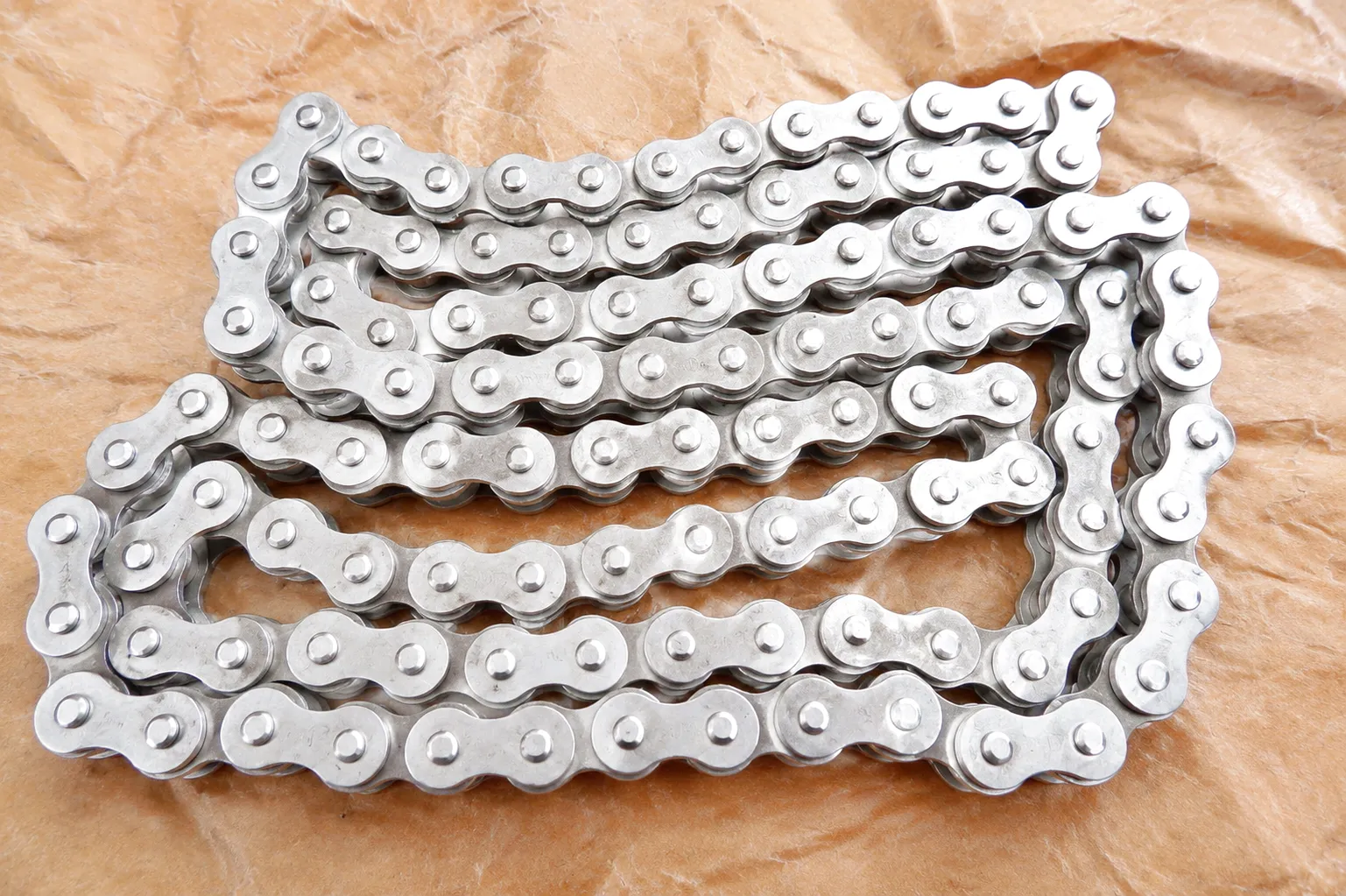
The commercial case for specifying sealed roller chain over standard chain is compelling across almost every metric that matters to an operations or engineering manager. The most immediate advantage — extended lubrication retention — is also the most consequential, because it is the foundation from which every other performance benefit flows. When the pin-bushing junction remains properly lubricated throughout the chain’s working life rather than running dry within the first few hundred hours of service, the rate of elongation due to pin and bushing wear falls dramatically. Industry data consistently shows that sealed chains achieve between three and six times the service life of equivalent standard chains operating in comparable conditions without continuous re-lubrication.

Beyond elongation resistance, sealed chains offer a meaningful noise reduction benefit that is increasingly valued in environments subject to workplace noise exposure regulations under the UK Control of Noise at Work Regulations 2005. The hydrodynamic film that the sealed grease maintains between pin and bushing dampens the metallic impact sounds generated at each articulation point, reducing chain noise by a measurable margin compared to a worn, dry standard chain. For food manufacturing facilities in Sheffield or warehouse automation systems in Birmingham, this is not a trivial consideration when managing occupational health compliance obligations.

📈
Extended Service Life

Sealed chains routinely achieve 3–6x the service life of standard chains in abrasive, wet, or contaminated environments, significantly reducing replacement frequency and the cost per hour of drive chain operation.

🛠️
Reduced Maintenance Burden

Factory-sealed grease eliminates the need for frequent re-lubrication stops. Maintenance teams can re-deploy time previously spent on chain oiling schedules to higher-value predictive maintenance activities.

⬇️
Lower Elongation Rate

Consistent lubrication at the pin-bushing interface suppresses the primary wear mechanism responsible for chain elongation. Drives using sealed chain maintain correct pitch-sprocket engagement for far longer, protecting sprocket tooth profiles and improving overall drive efficiency.

🔇
Reduced Operating Noise

The continuous lubricant film maintained by the seal damping metal-to-metal impact at each articulation point produces measurably lower noise output — an important factor for occupational noise compliance in UK industrial facilities.

🏭
Contamination Resistance

The elastomeric seal acts as a bidirectional barrier — retaining lubricant within the sealed cavity while excluding abrasive dust, grit, water, and chemical contaminants from reaching the wear-critical pin-bushing contact zone.

Higher Overall Efficiency

X-ring designs in particular show lower frictional drag compared to O-ring chains, translating to marginally lower operating temperatures, reduced energy consumption, and improved drive efficiency across the entire speed range.

Technical Performance Parameters: O-Ring vs X-Ring Roller Chain

The table below consolidates key technical parameters for comparison across standard, O-ring, and X-ring sealed roller chain specifications. Data represents typical values for ANSI/ISO standard pitches; custom-engineered chains may differ based on application-specific requirements.

ParametriStandard ChainO-Ring ChainX-Ring Chain
Seal TypeNoneCircular toroidal ringFour-lip X-profile ring
Lubrication RetentionPoor (leaks rapidly)Good (sealed for life)Excellent (dual-lip barrier)
Typical Service Life Multiplier1x (baseline)3x – 4x4x – 6x
Seal Contact AreaN/AFull circular contact (2 points)Four-point reduced contact
Friction Loss vs StandardBaseline+5% to +10% (seal drag)+2% to +5% (lower drag)
Operating Temperature Range-20°C to +150°C-40°C to +120°C (NBR)-40°C to +120°C (NBR); up to +200°C (FKM)
Plate Steel Grade (Typical)C35 – C45C45 – 42CrMo4C45 – 42CrMo4
Pin/Bushing Surface Hardness50–56 HRC56–62 HRC56–62 HRC
Elongation at Replacement (max.)0.5% – 1.5%0.3% – 0.8%0.25% – 0.7%
Contamination ResistanceLowKorkeaVery High
Relative Cost vs StandardBaseline1.6x – 2.2x1.9x – 2.8x
Re-lubrication RequiredYes (frequent)No (external cleaning only)No (external cleaning only)

Industrial Application Scenarios Across UK Manufacturing

🚜 Agricultural Machinery — East Anglian Grain Harvest Combines

Combine harvesters and balers operating across the flat arable plains of East Anglia put sealed roller chains through some of the most demanding duty cycles imaginable. Chains running through the crop elevator, threshing drum drive, and straw walker systems encounter continuous exposure to chaff, dust, soil particles, and moisture — precisely the contamination cocktail that destroys standard chain within a single harvest season. O-ring and X-ring sealed chains operating in these positions typically deliver multiple full harvest seasons without replacement, reducing the frantic pre-harvest chain servicing that had previously consumed several working days of preparation time on large-acreage farms.

🔩 Heavy Manufacturing — Sheffield Steel Processing Lines

Sheffield’s remaining steel processing and special-section rolling operations place extraordinary demands on chain drives used in conveyor systems, cooling bed runout tables, and coiling machine drives. Scale particles, steam, water quench spray, and elevated ambient temperatures create a hostile environment where standard chains need replacement on cycles measured in weeks. Sealed chains with FKM seals and synthetic grease fill can operate reliably across the full temperature range of a steel mill environment, and the absence of required re-lubrication stops reduces production interruptions significantly — a meaningful competitive advantage for mills running 24/7 shift patterns.

🏭 Automotive Assembly — West Midlands Transfer Lines

The automotive manufacturing cluster centred on Birmingham and Coventry runs transfer line conveyors, overhead power-and-free systems, and precision timing chain drives that cannot tolerate the elongation drift associated with standard chain wear. Even a small degree of chain stretch in a synchronised conveyor system can cause component positioning errors that propagate quality defects downstream. X-ring sealed chains in these applications maintain dimensional stability over far longer production runs, allowing plants to match their planned preventive maintenance intervals with actual chain replacement requirements rather than resorting to unplanned interventions triggered by stretch-induced line faults.

⛏️ Quarrying and Aggregates — Peak District Limestone Processing

Aggregate crushing and screening plants operate in arguably the most severe contamination environment that roller chain encounters anywhere in UK industry. Crushed limestone and granite dust is highly abrasive, hygroscopic, and pervasive — penetrating standard chain links within hours of operation. Sealed chains running on crusher feed conveyors, screen deck drives, and hopper discharge systems in Peak District quarries have demonstrated the ability to complete full annual maintenance cycles without replacement, compared to standard chains that required servicing every four to six weeks in the same positions.

🚢 Port Logistics — Port of Felixstowe Container Handling

Britain’s busiest container port operates chain-driven straddle carriers, reach stackers, and conveyor systems in a coastal salt-spray environment that is particularly aggressive toward standard chain. The combination of sodium chloride, moisture, and intermittent shock loading from container handling creates a corrosion-accelerated wear profile that is costly and difficult to manage. Stainless steel link plates combined with X-ring seals and marine-grade grease fill have been adopted by port equipment operators seeking to extend maintenance intervals and reduce spare parts inventory held on site.

🌿 Food and Beverage Processing — North West Production Facilities

Food manufacturing in the North West — from biscuit production in Manchester to ready-meal lines in Merseyside — requires conveyor chains that can withstand high-pressure washdown with caustic detergents without allowing cleaning chemicals to contaminate the sealed lubricant cavity. Sealed chains with EPDM seals and food-grade synthetic grease meet the hygienic engineering requirements of facilities operating under BRC and IFS certification, eliminating the need to apply external lubricants that create a food contamination risk while simultaneously extending chain service intervals.

Ever Power: Precision Manufacturing and Custom Sealed Chain Solutions
Ever Power roller chain factory precision manufacturing

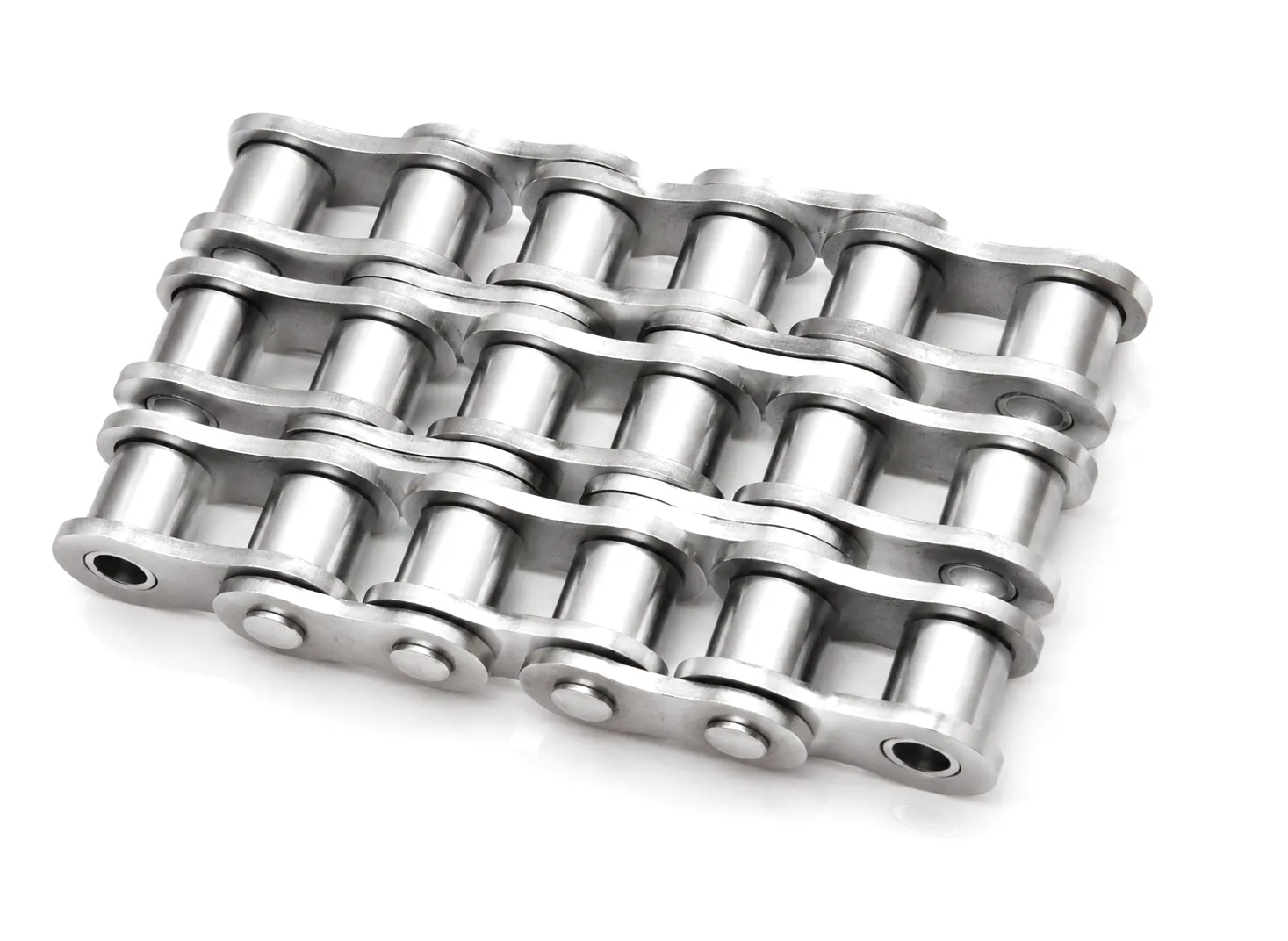
Ever Power’s manufacturing infrastructure is built on the understanding that sealed roller chain is only as good as the precision of the components contained within the seal. Poorly finished pin surfaces, out-of-tolerance bushing bores, or inconsistent seal groove geometry will all degrade sealing performance and accelerate the very wear the chain was designed to prevent. Our production lines operate with dimensional tolerances maintained at levels significantly tighter than ISO 606 requirements, with 100% inspection of critical parameters on every chain assembly before it leaves the factory floor.

The customisation capability at Ever Power covers every variable that matters to a demanding application: pitch selection across the ANSI and ISO ranges plus non-standard pitches for OEM replacement duty; plate material selection from medium-carbon through to austenitic stainless steel; seal material from standard NBR through to FKM and EPDM depending on the chemical and thermal environment; lubricant type ranging from mineral-based through to fully synthetic, food-grade, and high-temperature formulations; surface treatment options including shot peening, nickel plating, and zinc-nickel electrocoating for corrosion protection. UK buyers working with plant that operates in genuinely hostile conditions can specify each of these variables independently, receiving a chain that is engineered for their exact application rather than adapted from a catalogue standard.

Ever Power’s supply chain capability for UK customers includes both short-notice MRO supply from held stock and longer-lead custom-engineered batch production with full material traceability documentation — important for customers operating under ISO 9001 quality management systems or sector-specific certification requirements. Fast-track engineering consultations are available via email at no additional charge, ensuring that customers across the UK can get technically grounded specification advice before committing to a purchase order.

240+
Chain specifications in production
ISO 9001
Certified quality management
<30 Days
Custom batch lead time (standard specs)
6
Seal material options available

Customer Success Story: Rotherham Bulk Handling — From Monthly Breakdowns to Annual Maintenance
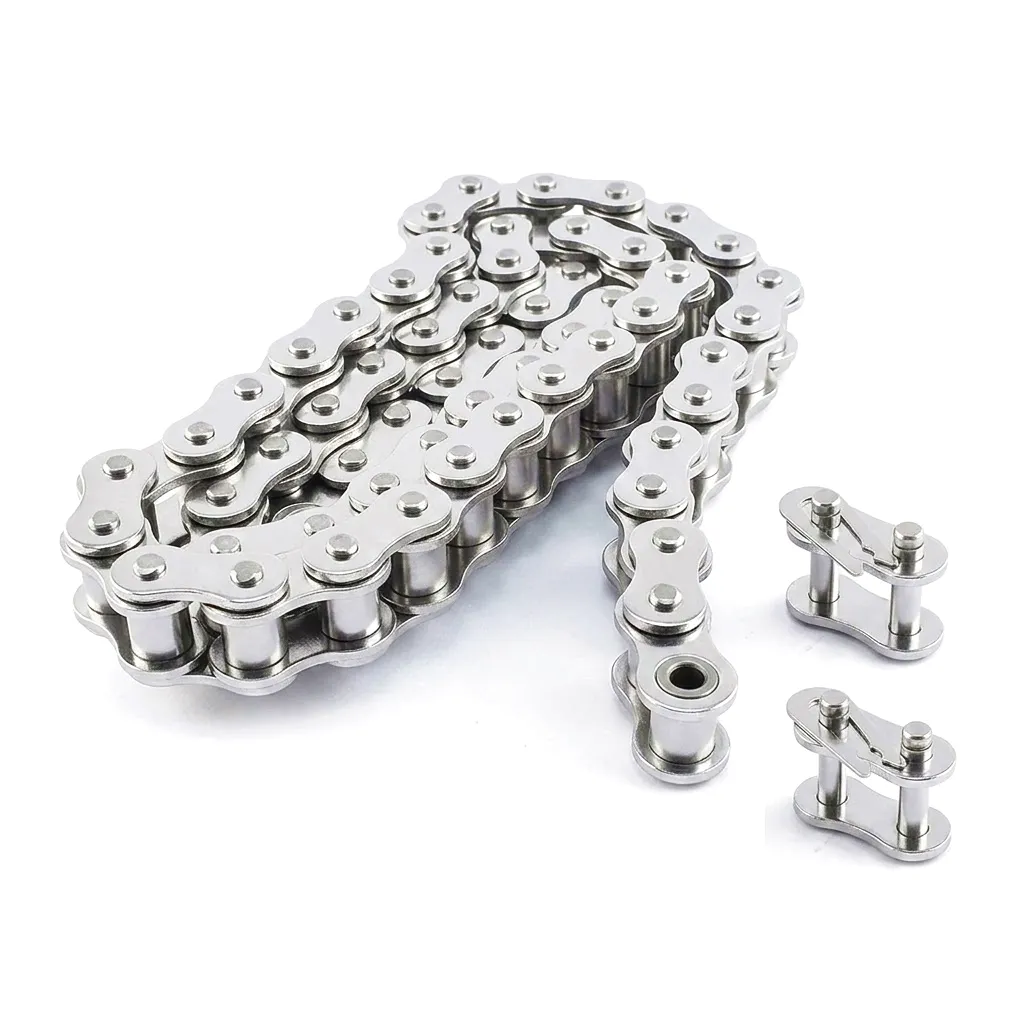
Roller chain in bulk material handling application

Tausta

Hartley Brothers Engineering Ltd, a bulk solids handling and conveying specialist operating a processing facility on the outskirts of Rotherham, South Yorkshire, came to Ever Power in late 2023 with a persistent operational problem. Their three bucket elevator drives and two chain-driven transfer conveyor systems were consuming standard roller chain at a rate that the maintenance manager described as “completely unsustainable.” With an average replacement interval of just six to seven weeks on the bucket elevator drives due to the abrasive iron oxide fines that permeate the facility, the team was spending over 40 maintenance hours per quarter on chain replacement alone — time that could not be recovered from production hours.

Ever Power Solution

Ever Power’s technical team reviewed the application data provided by Hartley Brothers — shaft centre distances, operating speeds, loads, ambient conditions, and the chemical composition of the iron oxide fines — and specified a custom X-ring sealed roller chain in ANSI 100 pitch with 42CrMo4 plate steel, FKM seal compounds (selected for compatibility with the slightly acidic surface chemistry of the iron oxide fines), and a molybdenum disulfide-enriched synthetic grease fill. The rollers were specified in sintered iron to improve engagement performance at low speed, and the chain was delivered with matched replacement sprockets with hardened tooth profiles to complement the extended chain service life.

Results at 12-Month Review

At the twelve-month maintenance review, all five chain drive systems remained within the acceptable elongation limit of 0.5% — none had required replacement. The maintenance team had recovered the equivalent of 38 working hours previously consumed by chain replacement activities, allowing those resources to be redeployed to planned bearing inspections and gearbox oil analysis. The total cost of the Ever Power sealed chain installation — including the custom specification premium — was recovered against the saved maintenance labour and avoided spare chain stock within the first seven months of operation, with an annualised cost saving that exceeded £14,000 compared to the previous rolling replacement programme using standard chain.

Customer Reviews

★★★★★★

“The X-ring chains Ever Power supplied for our bucket elevators have now completed a full year without a single replacement. That’s not something we thought was achievable given how badly this environment eats standard chain. The FKM seal specification was exactly right for our conditions. The technical support before the order was placed was genuinely impressive — they understood the application immediately.”

D. Hartley — Engineering Manager, Hartley Brothers Engineering Ltd, Rotherham
★★★★★★

“We trialled Ever Power’s sealed chains on our transfer conveyors running alongside stone dust classification screens. After the first quarter without a chain change, we extended the trial to all drives in the screening house. The elongation readings at month nine were well within specification. The custom pitch they supplied matched our existing sprockets without modification — that mattered a lot to us on a live production site.”

P. Whitfield — Plant Maintenance Supervisor, Aggregate Processing, West Yorkshire
★★★★★★

“Our procurement team had been resistant to the higher per-metre cost of sealed chain for years. After we put an Ever Power X-ring specification onto our shaker conveyor line in Birmingham and tracked the results against our standard chain cost per hour, the numbers made the case completely on their own. Lifetime cost per chain drive dropped by just over 60%. We’ve since converted every high-contamination drive in the facility.”

S. Okafor — Procurement Director, Pressed Components Manufacturing, Birmingham

Choosing Between O-Ring and X-Ring: A Practical Decision Guide
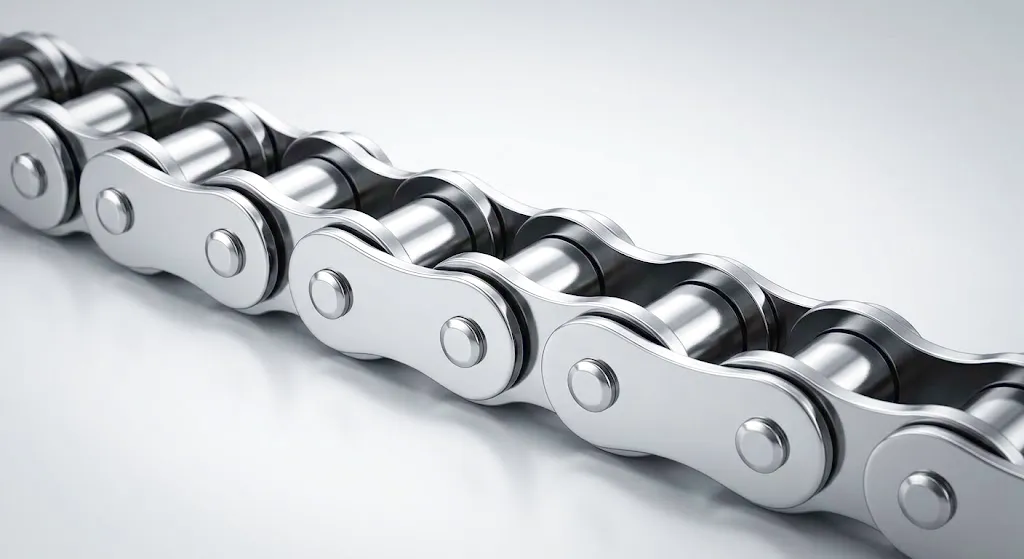
O-Ring vs X-Ring roller chain selectionThe choice between O-ring and X-ring sealed chain is not always self-evident from a product catalogue, and it is easy to over-specify or under-specify if the decision is made on price or availability alone rather than application characteristics. The guidance below distils the key selection criteria into a practical framework that can be applied by engineers, maintenance planners, and procurement managers across UK industry without needing detailed tribology knowledge.


O-ring chain remains the appropriate choice when budget is a primary constraint and the application operates at moderate speeds and loads in a contaminated environment where lubrication retention is the primary concern. The simpler seal geometry of the O-ring means manufacturing cost is lower, and the field performance across decades of deployment means that well-designed O-ring chains are a known quantity in most drive applications. For drives operating at chain speeds below 8 m/s, with pitch within the range of ANSI 40 through to 100, and in environments where ambient temperature stays within the NBR operating envelope, O-ring chain delivers an excellent cost-performance ratio.

X-ring chain earns its higher price point in applications where chain speed is high enough for seal friction losses to become meaningful, where heat generation at the seal interface could degrade an O-ring prematurely, or where the operating environment makes seal durability particularly important. The four-contact-lip design means that even as the seal lips wear over time, redundant sealing capacity remains — an important characteristic in aggressive environments where seal wear, rather than pin-bushing wear, becomes the life-limiting factor. For drives operating above 8 m/s, or in environments with chemical exposure, extreme temperature excursions, or very high-duty cycles, X-ring chain consistently delivers a longer service life that justifies the price differential when evaluated on a cost-per-operating-hour basis.

Frequently Asked Questions About Sealed Roller Chain

What is the difference between an O-ring and an X-ring roller chain, and which one should I be using in my manufacturing plant in Birmingham?
Both O-ring and X-ring roller chains use elastomeric seals to retain factory-packed lubricant at the pin-bushing contact zone, eliminating the lubrication failure mode that shortens standard chain life. The difference lies in seal geometry: O-rings have a simple circular cross-section with two sealing lips, while X-rings have a four-lip profile that reduces contact friction and provides redundant sealing. For Birmingham manufacturing applications running at moderate speeds in contaminated environments, O-ring chain is an appropriate and cost-effective upgrade. For high-speed drives, chemically aggressive environments, or applications where maximum service life is the priority, X-ring chain is worth the modest additional cost.
How much does an X-ring sealed roller chain cost compared to standard chain, and can I get a competitive price quote from a UK supplier?
X-ring sealed chains typically carry a 90–180% price premium over equivalent standard chains at list price, depending on pitch, material specification, and order volume. However, when evaluated against total cost of ownership — accounting for replacement frequency, maintenance labour, and lost production time during chain changes — X-ring chains routinely deliver lower cost per operating hour in contaminated or demanding environments. For a current pricing guide and quantity-based quotation, contact Ever Power directly at [email protected] with your pitch, quantity, and application details.
Which type of sealed roller chain seal material works best in agricultural machinery operating in wet and dusty conditions across the UK countryside?
For UK agricultural applications — combines, balers, mowers, and grain handling conveyors — standard NBR (nitrile rubber) seal material paired with a lithium-complex or molybdenum disulfide-based grease fill is the specification that covers the widest range of operating conditions. NBR handles mineral oil-based lubricants well and provides adequate moisture and dust resistance across the temperature range typical of UK field operations. Where the chain will be exposed to fertiliser residues or crop protection chemical residues, EPDM seals with a compatible synthetic grease fill are a safer specification choice.
Where can I find a reliable roller chain manufacturer or supplier in the UK who can provide customised X-ring sealed chains for heavy industrial use in Sheffield?
Ever Power supplies customised O-ring and X-ring sealed roller chains to industrial buyers across the UK, including heavy manufacturing operations in Sheffield and the wider South Yorkshire area. Our supply model is direct B2B: buyers in Sheffield and across the UK can enquire directly at [email protected], receive a technical consultation at no charge, and source custom-specification sealed chains with lead times competitive with domestic distribution. Full material test certificates, dimensional inspection reports, and traceability documentation are available upon request for customers with ISO 9001 or sector-specific quality requirements.
How often do O-ring sealed roller chains need to be replaced compared to standard chains when running in a quarry or aggregate processing plant in the UK?
In quarrying and aggregate environments — among the most abrasive operating conditions that roller chain encounters — standard chains on conveyor and crusher feed drives typically require replacement every four to eight weeks. O-ring sealed chains in the same positions routinely complete six-month to twelve-month intervals before reaching the elongation limit that triggers replacement. X-ring chains, with their superior seal redundancy, have been reported completing over fourteen months in equivalent positions at several UK quarrying operations. The exact interval will vary with dust particle size, abrasivity index, chain speed, and load, but the improvement over standard chain is consistent and substantial.
What are the key technical specifications I should ask for when requesting a quote for sealed roller chain for a steel processing line in the North of England?
When requesting a sealed roller chain quotation for a steel processing application — whether in Sheffield, Scunthorpe, or Rotherham — the key parameters to specify or confirm are: chain pitch (ANSI or ISO reference), tensile breaking load requirement, operating speed at the chain, ambient and chain operating temperature range, nature of the chemical environment (presence of scale, lubricant mist, acid cleaners), required chain length and number of links, and any dimensional constraints imposed by existing sprockets. For high-temperature steel mill applications, also specify whether FKM seals and a high-temperature synthetic grease fill are required. Ever Power’s technical team can assist with completing this specification if application data is available.

gzl:n muokkaama