Ever Power — UK Precision Transmission
Roller Chain Systems: Core Engineering Principles, Material Science, and Industrial Performance
From the foundry floors of Sheffield to the automated conveyor systems of Birmingham’s manufacturing parks, roller chain technology continues to serve as the silent workhorse of power transmission — precise, durable, and adaptable across virtually every sector of heavy industry.
What Is a Roller Chain and Why Does It Matter?
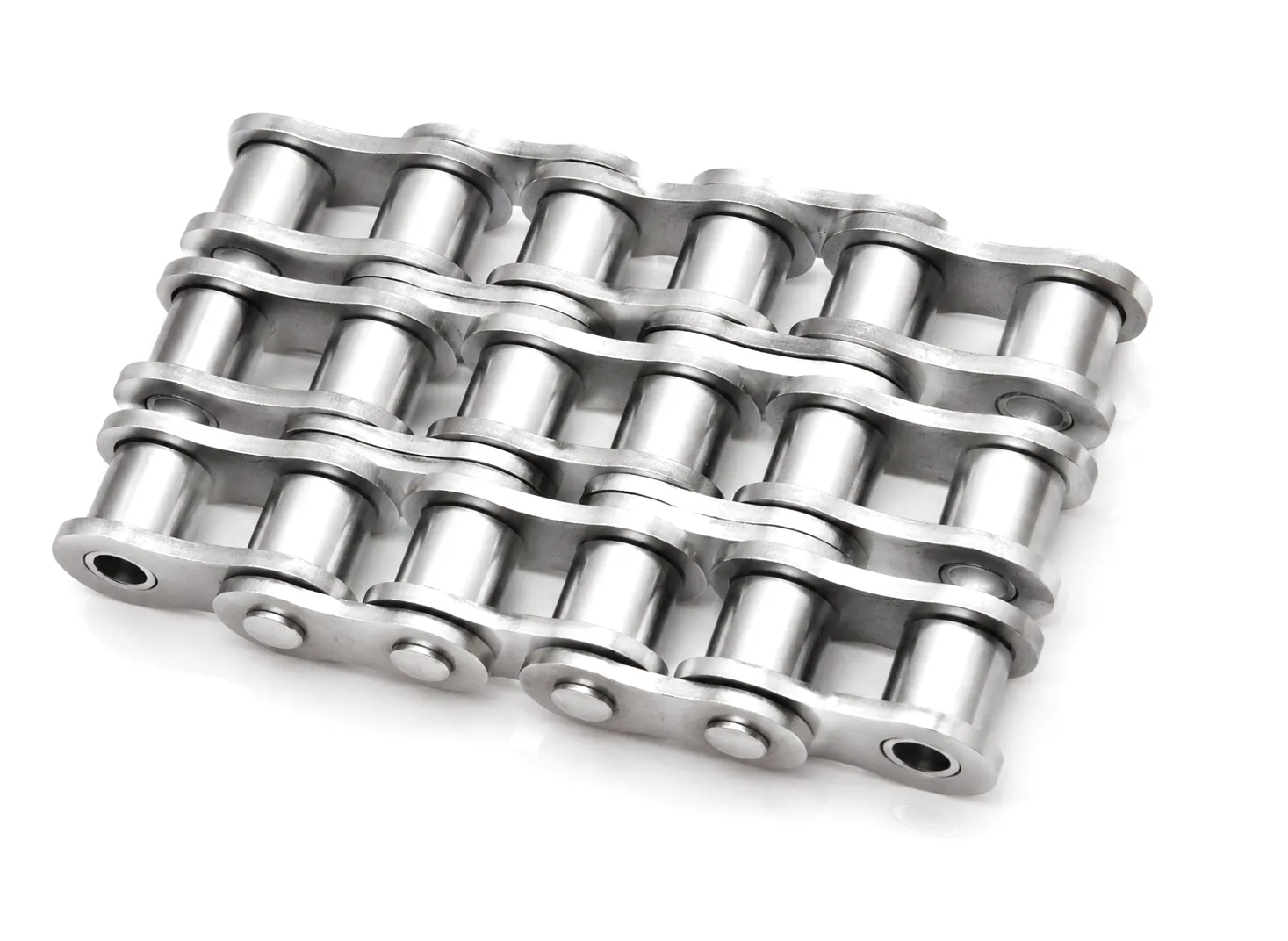
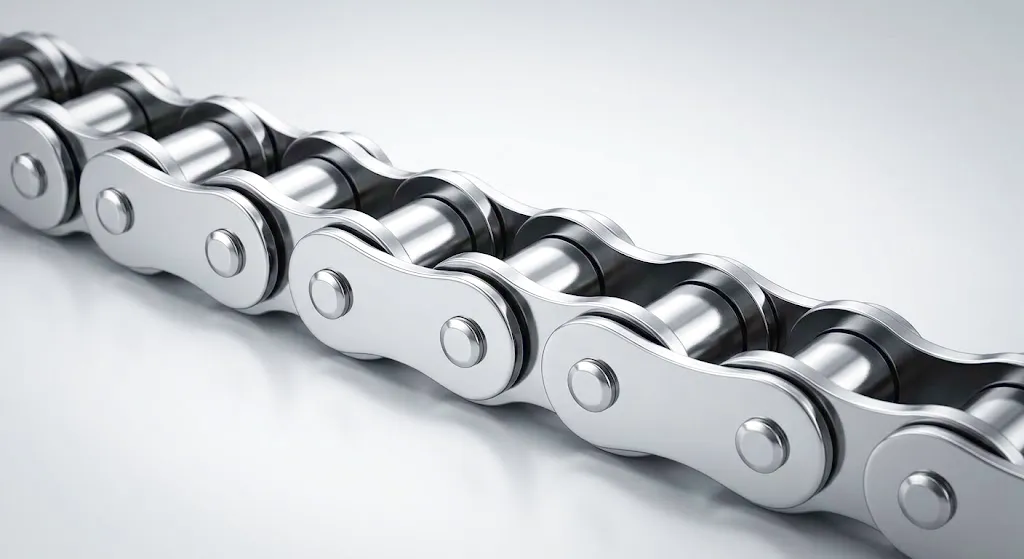 A roller chain is a type of chain drive used to transmit mechanical power from one rotating sprocket to another, enabling the transfer of torque across a given distance with minimal energy loss. Unlike belt drives or gear trains, the roller chain achieves its efficiency through a series of interlocked inner and outer link plates, precision pins, bushings, and free-rotating rollers that mesh cleanly with the teeth of sprocket wheels. This fundamental design principle — simple yet enormously effective — has changed very little since Hans Renold’s landmark patent in 1879, though the metallurgy, tolerances, and surface treatment technologies have advanced dramatically over the intervening decades.
How Roller Chain Transmits Power: The Engineering Principle
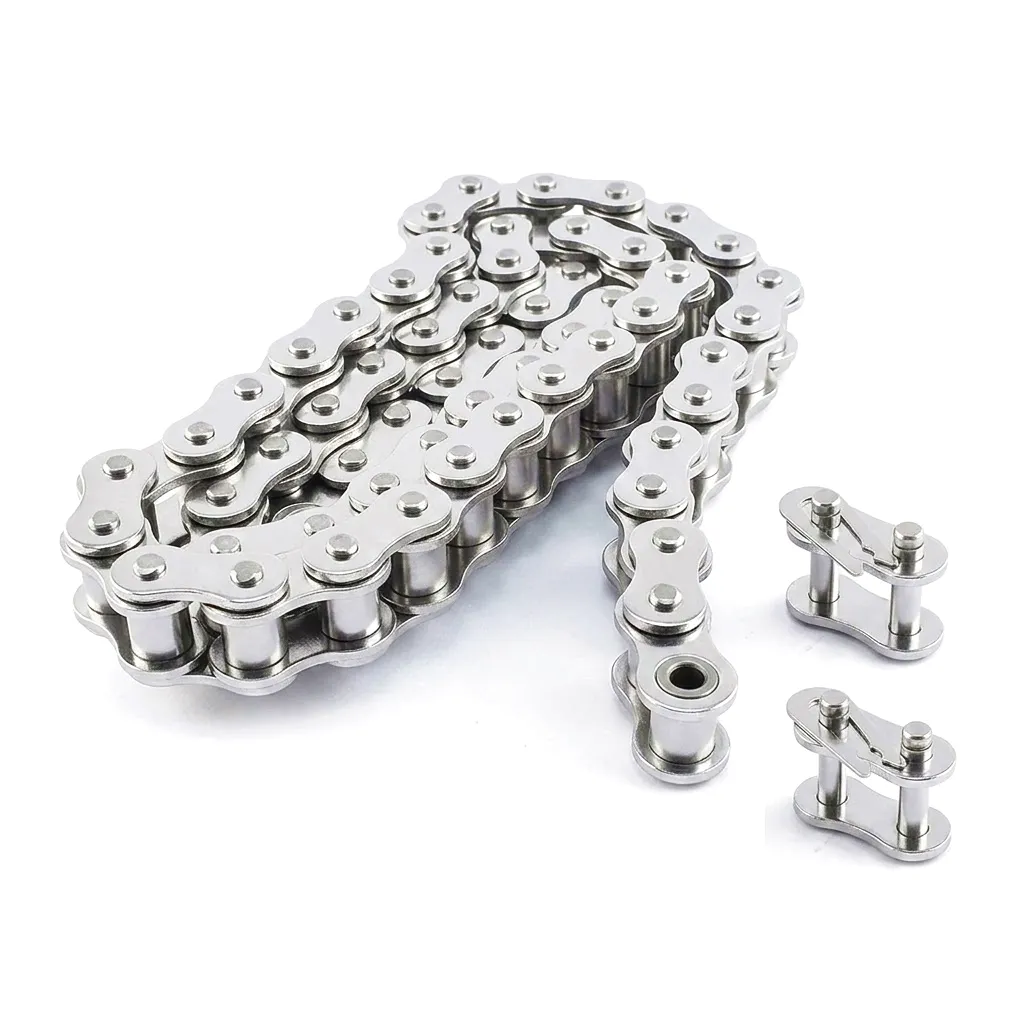 The operating principle of a roller chain relies on positive mechanical engagement. As a drive sprocket rotates, its teeth enter the gaps between successive rollers on the chain, lifting and pushing each roller link in sequence. This intermeshing action — rather than the friction dependency of a V-belt — means that roller chain drives can transmit substantially higher torques without slippage under varying load conditions. The driven sprocket receives this motion on the opposite side of the chain loop, converting the linear movement of the chain strand back into rotational output.
The individual roller is arguably the most elegantly engineered element in the assembly. Each roller sits on a hardened bushing, which in turn rotates around the connecting pin. When the chain engages the sprocket tooth, the roller rolls into the seat rather than sliding — dramatically reducing friction at the point of contact, minimising tooth and link wear, and improving mechanical efficiency. In well-maintained industrial drives, overall power transmission efficiency of 98% to 99% is routinely achieved, which compares favourably against hydraulic or worm-gear alternatives at comparable load ratings.
Pitch — the centre-to-centre distance between adjacent pin centres — is the defining dimensional parameter of any roller chain. British Standard chains follow the BS/ISO 606 specification, which assigns pitch in sixteenths of an inch (or millimetres in metric series). The pitch must match the sprocket exactly; even fractional mismatches cause rapid polygonal effect vibration, accelerated wear, and premature chain failure. This is why reputable UK suppliers maintain tight dimensional tolerances — typically within ±0.003 mm on pin diameter and ±0.05 mm on pitch — across entire production batches.
Core Materials in Roller Chain Manufacturing
The choice of material for each component in a roller chain directly determines performance life, chemical resistance, operating temperature range, and suitability for specific industrial environments. High-quality chains are not manufactured from a single alloy; each element — link plate, pin, bushing, roller — is engineered from the material best suited to its stress and wear regime.
リンクプレート
Carbon Steel / Alloy Steel
Cold-stamped from medium-carbon steel (e.g. C45) or chromium-molybdenum alloy steel. Heat treatment to 40–50 HRC provides tensile strength exceeding 800 MPa while retaining sufficient ductility to resist impact shock loads common in agricultural and mining applications.
ピン
Case-Hardened Alloy Steel
Pins are machined from carburised alloy steel and case-hardened to 58–64 HRC on the surface while maintaining a tough core. This dual-zone hardness profile resists both surface fretting and bending fatigue — the two dominant failure modes for pins in high-cycle drive systems.
Bushings
Sintered Steel / Through-Hardened Steel
Rolled from precision steel strip and sintered or through-hardened to 55–62 HRC. The bushing inner bore requires mirror-finish grinding to reduce pin-bushing clearance below 0.01 mm — essential for reducing articulation wear in high-speed chain drives above 500 RPM.
ローラー
High-Carbon Steel / Stainless Steel
Rollers are cup-drawn from high-carbon steel strip and hardened to 50–58 HRC. In food-processing or pharmaceutical environments, 304 or 316L stainless steel rollers and link plates are specified to meet hygiene standards and resist CIP cleaning chemicals without pitting or stress corrosion.
Surface treatments extend service life significantly. Zinc plating, nickel plating, and shot-peening of link plates are widely used to resist corrosion in humid or chemically active UK factory environments. For outdoor agricultural drives exposed to moisture and soil abrasives — common in the East Anglian fenland or the Yorkshire Dales farming regions — hot-dip galvanised or dacromet-coated chains can multiply service intervals by a factor of three or more compared to untreated alternatives.
Technical Advantages That Define Roller Chain Performance
High Tensile Strength
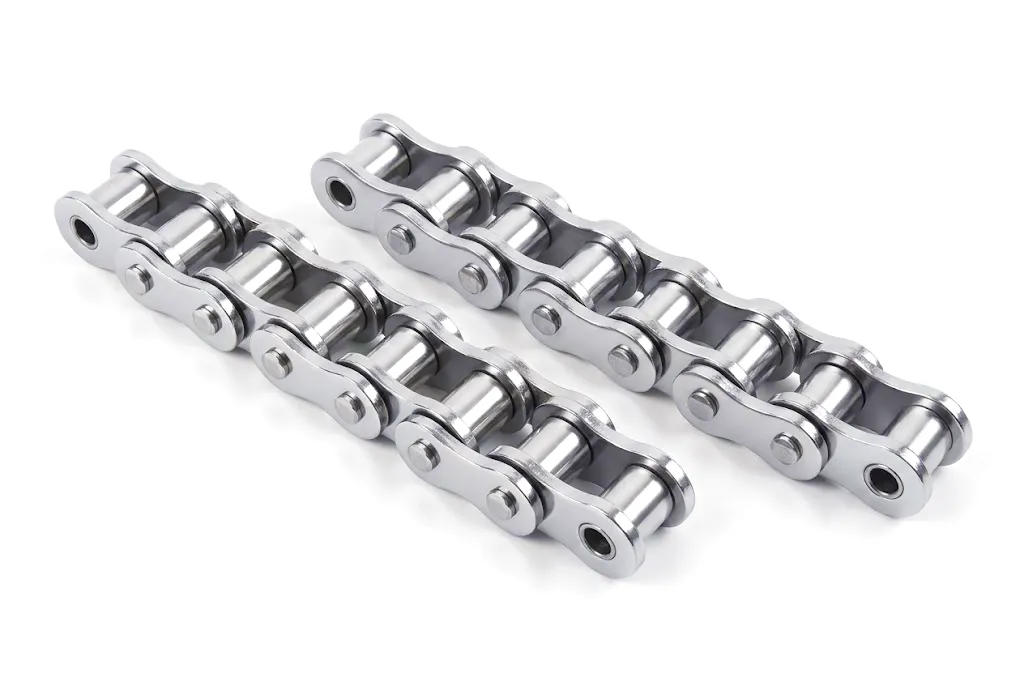
Roller chains in heavy-duty series (e.g. BS 24B) carry minimum tensile loads exceeding 320 kN. This makes them suitable for primary drive systems in steel rolling mills, mine haulage, and forestry machinery without oversizing the drive.
Exact Speed Ratio Maintenance
Because each roller link positively engages a sprocket tooth, speed ratio deviation is effectively zero under normal operating conditions. This is essential in cam-timing drives, register control systems, and synchronised multi-axis conveyor lines.
Long Service Life & Predictable Elongation
Unlike belts that degrade non-linearly, roller chains elongate in a predictable, measurable manner as pins and bushings wear. Maintenance teams can monitor elongation with a simple gauge and replace chains at a planned maintenance window — a significant advantage for planned maintenance regimes common in UK automotive and aerospace supply chains.
Compact Drive Geometry
Roller chain drives can operate effectively at very short centre distances compared to belt drives, enabling compact machine architectures. This is particularly valuable in redesigning retrofit conveyor systems within space-constrained production cells in older UK factory buildings.
Wide Temperature and Environment Range
Standard roller chains operate reliably from -10°C to +150°C. Specialist high-temperature variants with appropriate lubricants function up to 350°C, while stainless-steel or nickel-plated chains serve in freezer tunnels and cold chain logistics environments — important for food distribution hubs in places like Grimsby and Bristol.
Multi-Strand and Extended-Pitch Options
When a single-strand chain reaches its load limit, duplex or triplex configurations multiply load capacity without increasing pitch. Extended-pitch chains offer lower cost per metre for slow conveyor applications. This scalability makes roller chain engineering extraordinarily flexible for custom machine design.
Product Technical and Performance Parameters
The table below consolidates key dimensional and mechanical parameters across standard BS/ISO roller chain series. Data reflects standard single-strand configurations manufactured to BS/ISO 606 tolerances. Multi-strand ratings scale approximately in proportion to strand count with a correction factor applied for load sharing.
| Chain No. (BS) | Pitch (mm) | Roller Dia. (mm) | Inner Width (mm) | Pin Dia. (mm) | Min. Tensile Str. (kN) | Weight (kg/m) | Typical Application |
|---|---|---|---|---|---|---|---|
| 06B-1 | 9.525 | 6.35 | 5.72 | 3.28 | 8.9 | 0.41 | Small conveyors, light equipment |
| 08B-1 | 12.70 | 8.51 | 7.75 | 4.45 | 17.8 | 0.69 | General industrial, packaging machinery |
| 10B-1 | 15.875 | 10.16 | 9.65 | 5.08 | 22.2 | 0.93 | Agricultural machinery, conveyors |
| 12B-1 | 19.05 | 12.07 | 11.68 | 5.72 | 28.9 | 1.15 | Printing presses, textile machinery |
| 16B-1 | 25.40 | 15.88 | 17.02 | 8.28 | 60.0 | 2.71 | Construction plant, quarrying equipment |
| 20B-1 | 31.75 | 19.05 | 19.56 | 10.19 | 95.0 | 3.85 | Heavy industrial drives, steel plant |
| 24B-1 | 38.10 | 25.40 | 25.40 | 14.63 | 160.0 | 7.10 | Mining, port handling equipment |
All values indicative per BS/ISO 606. Actual ratings depend on operating speed, lubrication method, and service factor. Contact Ever Power for certified data sheets.
Industrial Application Scenarios Across UK Sectors
Scenario 01
Automotive Manufacturing — West Midlands Assembly Lines
The West Midlands automotive cluster — spanning Solihull, Coventry, and the wider Birmingham conurbation — operates some of the most demanding conveyor and transfer line environments in Europe. Roller chains in 08B and 10B pitch series are deployed extensively in body-in-white transfer lines, parts accumulation conveyors, and engine assembly stations. The combination of high cycle count, moderate speed, and the need for precision indexing makes roller chain the preferred transmission choice over toothed belts in environments where oil mist, swarf, and coolant splashback are unavoidable. Duplex roller chains are frequently used where torque multiplication is required between motor and line shaft without increasing the physical chain pitch.
Scenario 02
Steel Processing — Sheffield Special Steels Plants
Sheffield remains synonymous with steel, and the city’s surviving special steel producers continue to rely on heavy-series roller chains for bar and rod handling, scale removal conveyor drives, and the coiler feed mechanisms of strip steel production lines. In these environments, ambient temperatures can exceed 80°C, and the chain must resist aggressive descaling compounds. Heavy-series 20B and 24B chains with sealed-joint lubrication (O-ring or X-ring configurations) are preferred, combining high tensile ratings with the ability to retain lubricant at the pin-bushing interface even during extended maintenance intervals common in continuous-cast operations.
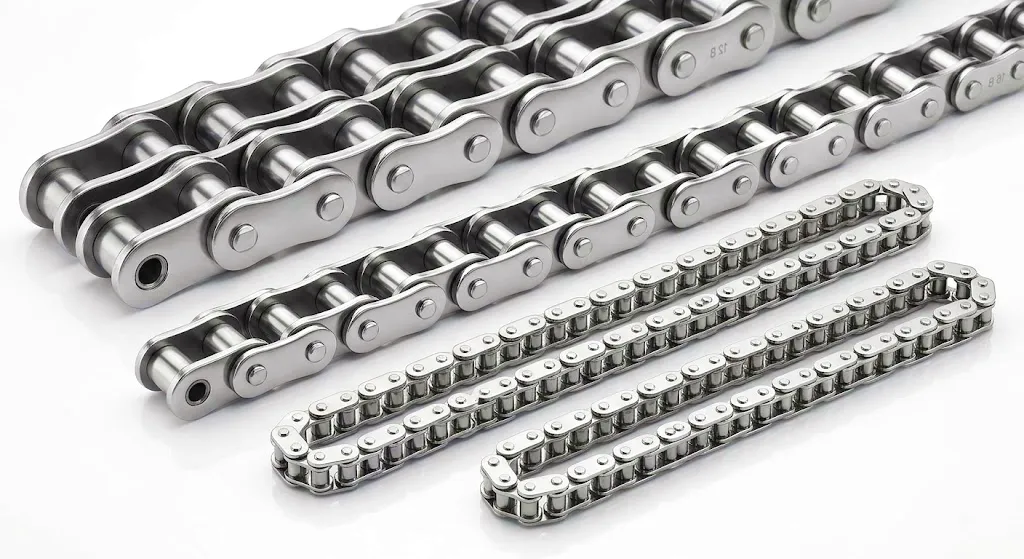 The intensive agricultural processing sector across Lincolnshire, Cambridgeshire, and Norfolk operates large-format food production facilities requiring hygienic conveyor and portioning line drives. Stainless-steel roller chains in 08B-SS and 10B-SS specification — with 316L stainless components, electropolished surfaces, and FDA-compliant lubricants — are the standard specification for chicken portioning lines, vegetable washing conveyors, and bakery oven-band drives. These chains must withstand CIP (Clean-In-Place) chemical washdowns at high pressure without compromising pin clearance or introducing contamination risk.
Scenario 04
Agricultural Machinery — Sprocket Drives in Baling and Harvesting Equipment
From round balers working the fields of Lincolnshire to combine harvester table drives operating across East Anglian cereal farms, roller chains in the 12B to 16B pitch range serve as the primary power transmission medium in agricultural OEM equipment. These chains face particularly challenging duty cycles — high transient shock loads when the feed mechanism encounters a dense crop mat, continuous exposure to wet soil and chaff abrasives, and seasonal lay-up periods that can promote surface corrosion. Extended-pitch agricultural chains with hardened side links and pre-lubricated bushings are the typical solution, providing the field service intervals that UK farming contractors demand between planned maintenance windows.
Scenario 05
Warehouse Automation and Logistics — Fulfilment Centres in the East Midlands
The logistics belt of England — running from Milton Keynes through Northampton, Leicester, and Derby — houses some of the largest automated fulfilment centres in Europe. Roller chains in light to medium series drive sortation systems, incline conveyors, cross-belt sorters, and tilt-tray mechanisms at speeds up to 2 m/s. The emphasis in this environment is on quiet operation (demanding high-precision chain with low polygonal effect), low maintenance intervals (pushing demand toward sealed-joint and self-lubricating chain variants), and compatibility with brushless servo motor drives that deliver precisely programmed acceleration and braking profiles.
Featured Ever Power Roller Chain Products
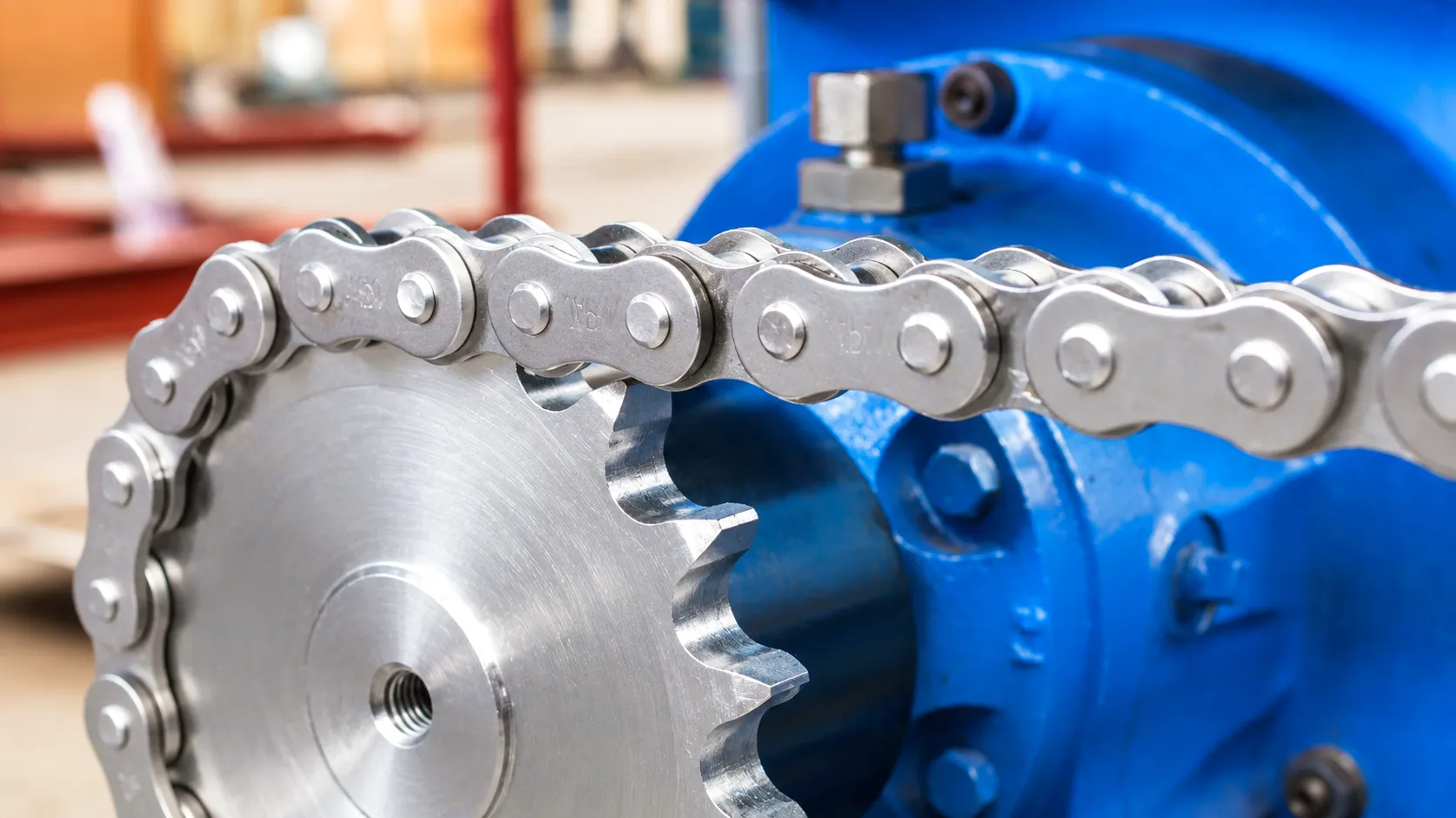
Ever Power’s rubber top roller chain range is engineered specifically for applications where products must be carried on the chain surface itself — combining the positive drive engagement of precision roller chain with a vulcanised rubber top pad that grips, cushions, and transports goods reliably.
Product 01
Built on the 15.875 mm pitch 10B roller chain base, the G1 variant features a single continuous rubber top pad vulcanised directly to the link plates. Ideal for incline conveyors in food processing and parcel sortation lines where grip and cushioning are required simultaneously. Operating temperature range: -20°C to +80°C. Available in standard and duplex (10B-2-G1) configurations.
Product 02
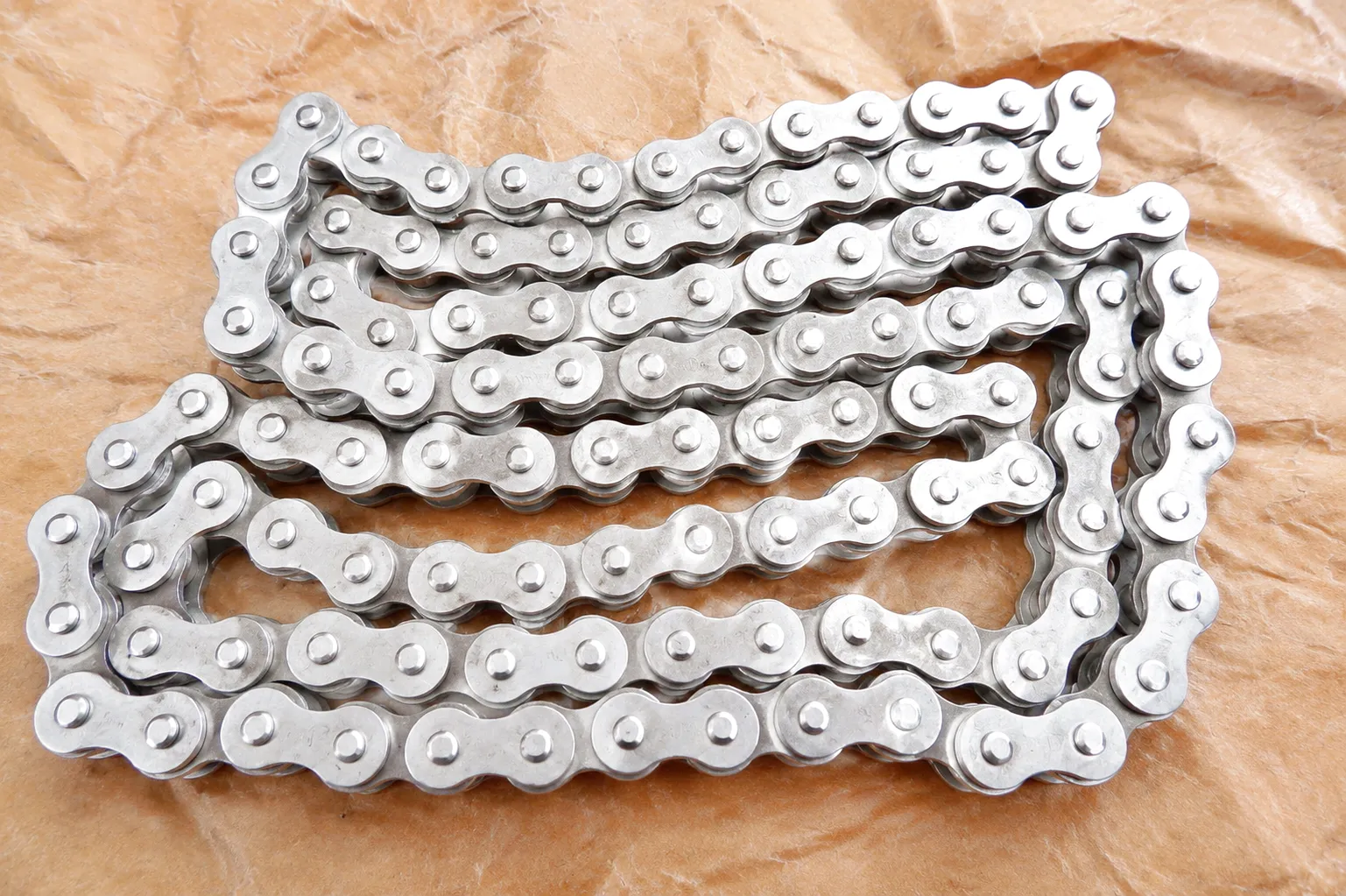
The G2 variant uses a segmented rubber top pad pattern, reducing the contact surface area per link while maintaining grip performance — delivering reduced drag resistance at higher conveyor speeds. Particularly suited to dry goods sortation, bottle accumulation conveyors, and postal parcel handling systems. Available with food-grade white NBR rubber pads on request. Conforms to ISO 606 dimensional standards with G2 top-plate attachment.
Ever Power Manufacturing: Precision, Scale, and Custom Engineering
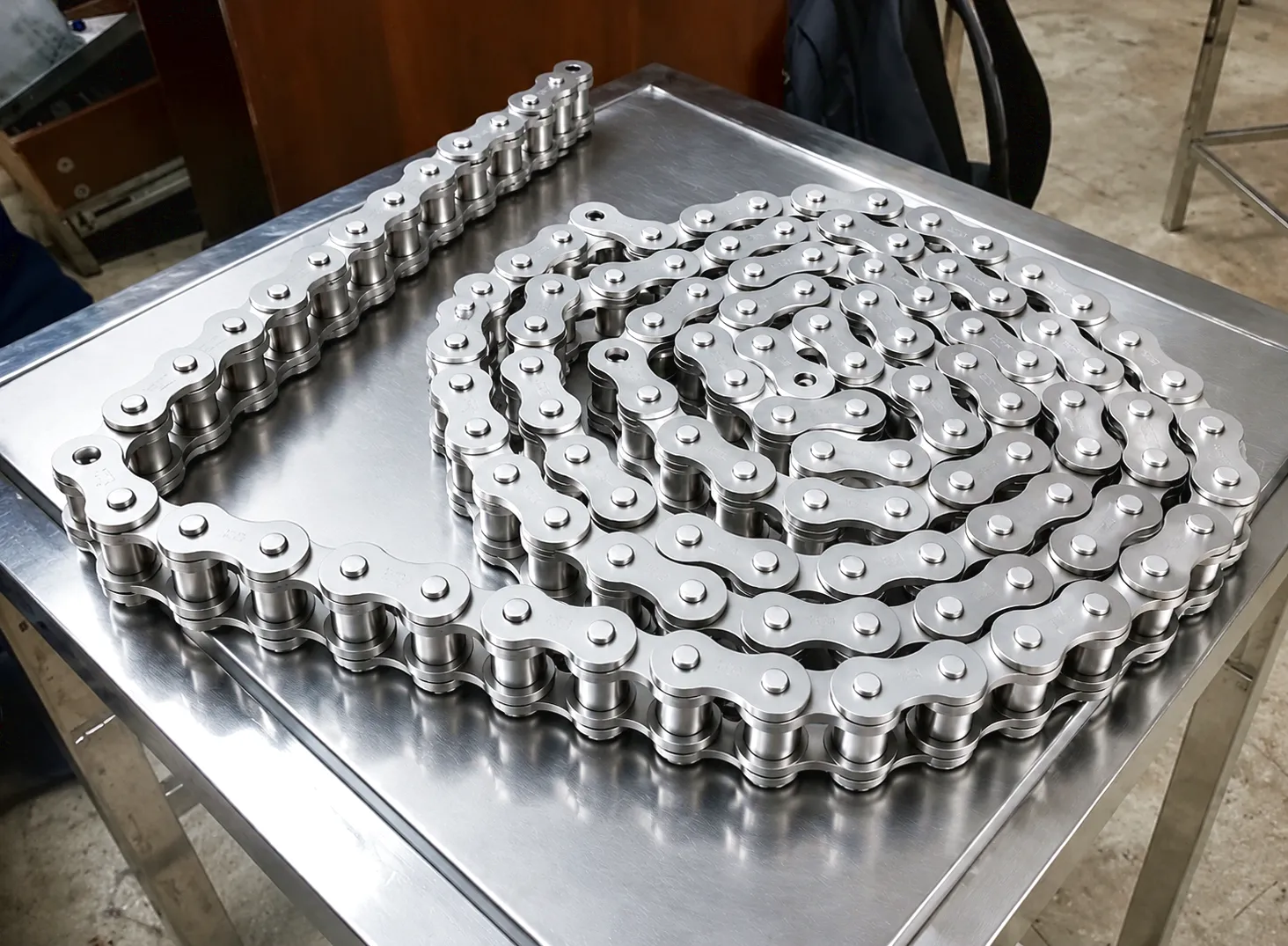
Ever Power operates a vertically integrated manufacturing facility spanning over 120,000 square metres, housing dedicated production lines for every roller chain pitch series from 6B through to 48B and beyond into heavy-duty attachement chain variants. The manufacturing process begins at the cold-forging stage — where raw steel billets are processed into pin, bushing, and roller blanks using multi-stage cold heading machines capable of holding tolerances within ±0.005 mm — and proceeds through automated heat treatment, precision grinding, assembly, pre-stretching, and final inspection.
Customisation capability is central to Ever Power’s value proposition for UK clients. Whether a customer requires a non-standard pitch, an unusual attachment configuration, an integrated conveying element welded to specific link positions, or a chain manufactured in a specialist alloy for extreme-environment service, Ever Power’s engineering team engages directly with the customer’s design specifications from initial enquiry through to production validation. ISO 9001:2015 quality management systems govern all critical processes, with dimensional inspection reports, materials certificates, and mechanical test data supplied as standard with each production batch.
For UK customers, Ever Power maintains a dedicated supply chain management programme that coordinates sea freight, customs clearance, and bonded warehousing to ensure predictable lead times. Express air freight options are available for emergency replacement orders, with ex-works despatch achievable within 72 hours for standard catalogue items. For bespoke orders, typical lead times of 3 to 6 weeks apply depending on complexity — significantly faster than many European and domestic UK suppliers for non-standard specifications.
120k+
sq.m. Factory
ISO 9001
Certified QMS
72hr
Express Despatch
All Pitch
6B to 48B+
Customer Success Story: Leeds Recycling Equipment Manufacturer
 Greenside Mechanical Handling Ltd, based in Leeds, West Yorkshire, manufactures industrial-scale shredding and baling systems for metal recycling depots across Northern England and Scotland. Their flagship model — a twin-shaft metal shredder with an 800 kW direct-drive system — relied on a duplex 20B roller chain drive to transmit power from the twin reduction gearboxes to the counter-rotating shredder rotor assembly. The original chain supply, sourced from a UK stockholder, was delivering average service lives of 4 to 5 months before stretch elongation exceeded the 3% replacement threshold, causing process interruptions at customer sites.
What Our Customers Say
★★★★★
“We had tried three different UK and European chain suppliers on our shredder drives before Ever Power. The sealed-joint 20B-2 chains they engineered for us have completely transformed our maintenance schedule. Fourteen months of service life versus four or five previously — the numbers speak for themselves. The technical support team understood our application in detail from the first call.”
Martin Dewhurst
Chief Engineer, Greenside Mechanical Handling Ltd, Leeds
★★★★★
“Ever Power’s customisation capability is exactly what we needed for our hygienic conveyor line upgrade. We specified 10B stainless chains with food-grade white rubber pads on every other link, and they delivered dimensionally perfect product with full material traceability certificates. Our quality team signed off on the first batch without any concessions — that’s not something we’d managed with previous suppliers.”
Sarah Okonkwo
Procurement Manager, Northern Foods Processing, Grimsby
★★★★★
“We run four automated sortation lines at our Northampton distribution centre and the roller chain drives are critical-path components. Ever Power’s account management team set up a consignment stock arrangement so we always have two full chain sets per line on-site. Lead time stress has disappeared from our maintenance planning process — and the chain quality matches anything we sourced from European premium brands at a considerably better price point.”
James Falconer
Maintenance Director, Apex Logistics Group, Northampton
Roller Chain Installation, Tensioning, and Maintenance Fundamentals
The service life of even the highest-grade roller chain is fundamentally dependent on the quality of installation and the maintenance discipline applied in service. UK maintenance engineers familiar with BS PD 6504 guidance and the general engineering recommendations of the British Chain Association will recognise that correct sprocket alignment, appropriate initial tension, and a consistent lubrication programme account for the majority of premature chain failures.
01
Sprocket Alignment
Misalignment of drive and driven sprockets by more than 0.5 mm per 300 mm of shaft separation generates lateral loading on link plates that is the single most common cause of premature fatigue failure. Use a straight-edge or laser alignment tool across both sprocket faces before commissioning.
02
Initial Tension Setting
New roller chain should be installed with a sag of approximately 2% of the centre distance on the slack side. Over-tensioning introduces unnecessary bearing and shaft loads; under-tensioning allows the chain to jump sprocket teeth under load. After the first 8 to 10 hours of operation, re-check tension as the chain beds in.
03
Lubrication Method Selection
For drives running above 300 RPM, drip lubrication or oil bath immersion is recommended. For low-speed or inaccessible applications, grease-packed sealed-joint chains eliminate the need for scheduled lubrication entirely. The lubricant must penetrate the pin-bushing interface — surface spraying alone is insufficient for loaded chain applications.
04
Elongation Monitoring and Replacement
Measure chain elongation across a minimum of 20 pitches using a vernier calliper or dedicated chain wear gauge. Replace when elongation reaches 2% for precision drives or 3% for general conveyor applications. Replacing chain at the correct interval also prevents accelerated sprocket wear that would otherwise necessitate sprocket replacement on the next maintenance cycle.
Frequently Asked Questions About Roller Chain in UK Industry
Ever Power Precision Roller Chain
Ready to Upgrade Your Drive System?
Contact our UK technical sales team for a fast, detailed quotation on standard and custom roller chain specifications. Material certificates, test data, and engineering consultation included.
gzlによる編集