Walk through any working factory floor in Birmingham or Sheffield and you will almost certainly find roller chain at the heart of the machinery. From conveyor drives in automotive pressing shops to bucket elevators in grain terminals along the Humber Estuary, roller chain is one of the most enduringly reliable methods of transmitting mechanical power. Yet the single question that engineers and procurement teams return to, time and again, is deceptively simple: should I be running a single-strand roller chain or a multi-strand configuration? The answer shapes maintenance schedules, capital expenditure, noise levels, and ultimately, production uptime — so getting it right from the outset matters enormously.
The distinction between single-strand and multi-strand roller chain goes far beyond merely counting the number of rows of links. Each configuration carries a fundamentally different engineering profile — load characteristics, tolerance to shock, spatial requirements, lubrication demands, and cost-per-unit-of-power-transmitted all vary in ways that can either perfectly match your application or quietly cause problems that only reveal themselves after months of service. This guide cuts through the noise to give you the technical substance you need to make a confident decision.
How Roller Chain Actually Works
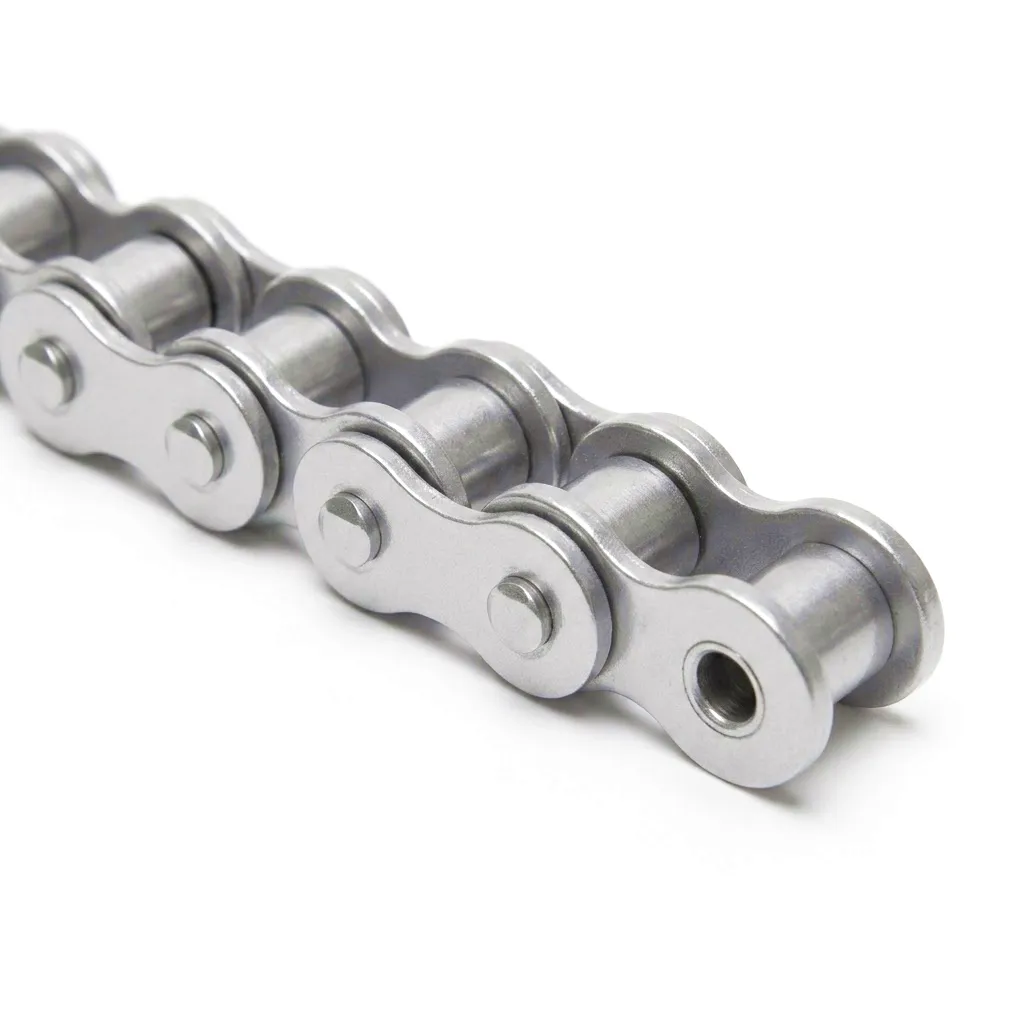
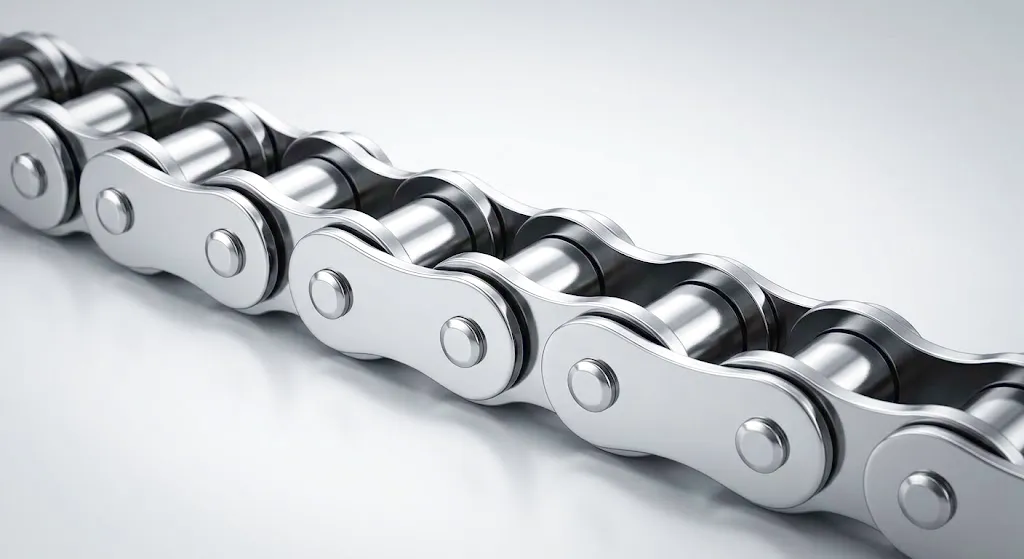
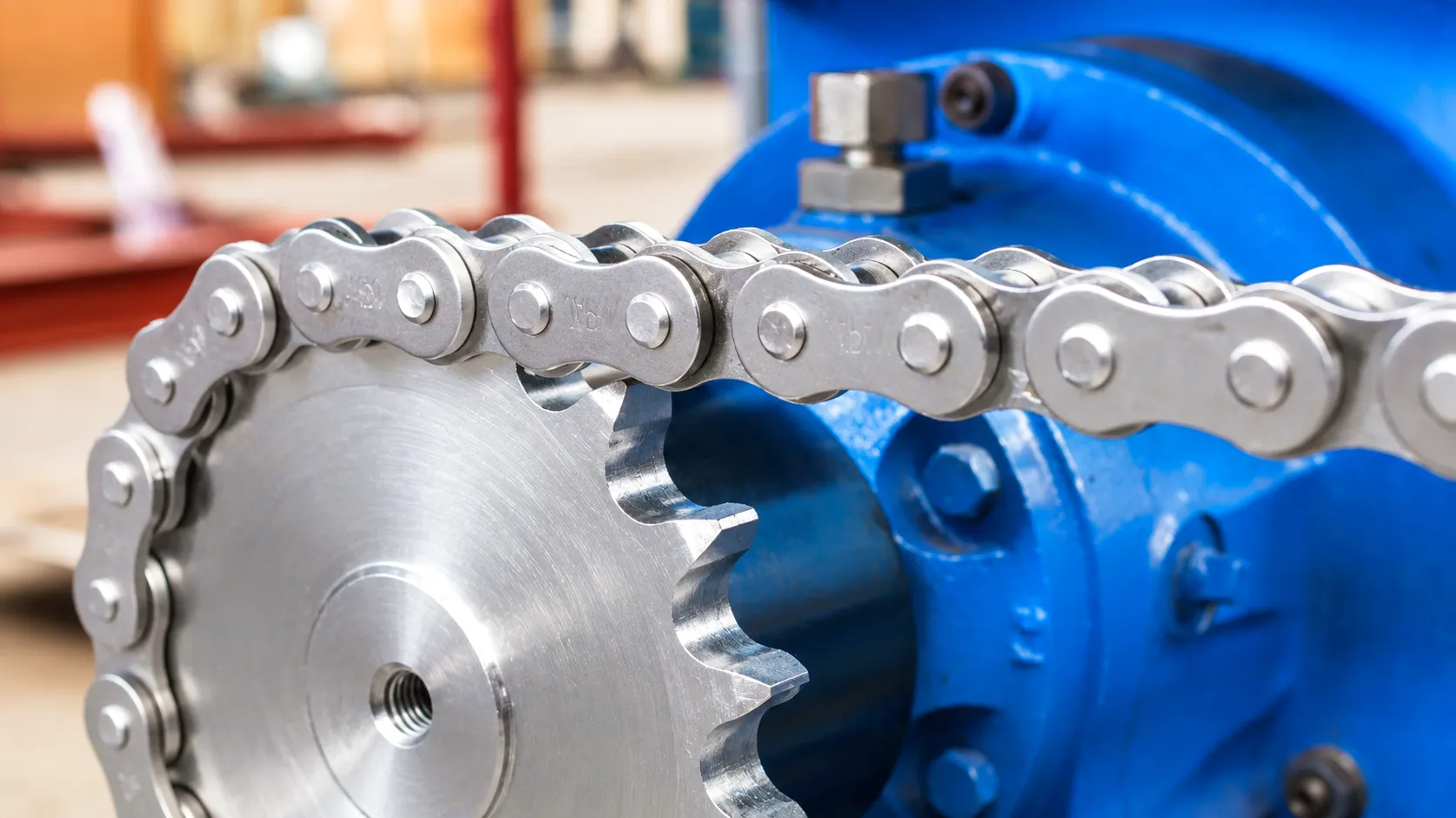
A roller chain operates by engaging the cylindrical rollers of each link with the teeth of a sprocket. As the sprocket rotates, each tooth catches a roller, pulling the chain forward and transmitting torque from the driving shaft to the driven shaft. The rollers reduce friction dramatically compared to a plain bush chain — they rotate freely on the bush as each link engages and disengages the sprocket tooth, spreading contact stress over a wider surface area and allowing far higher chain speeds without excessive wear.
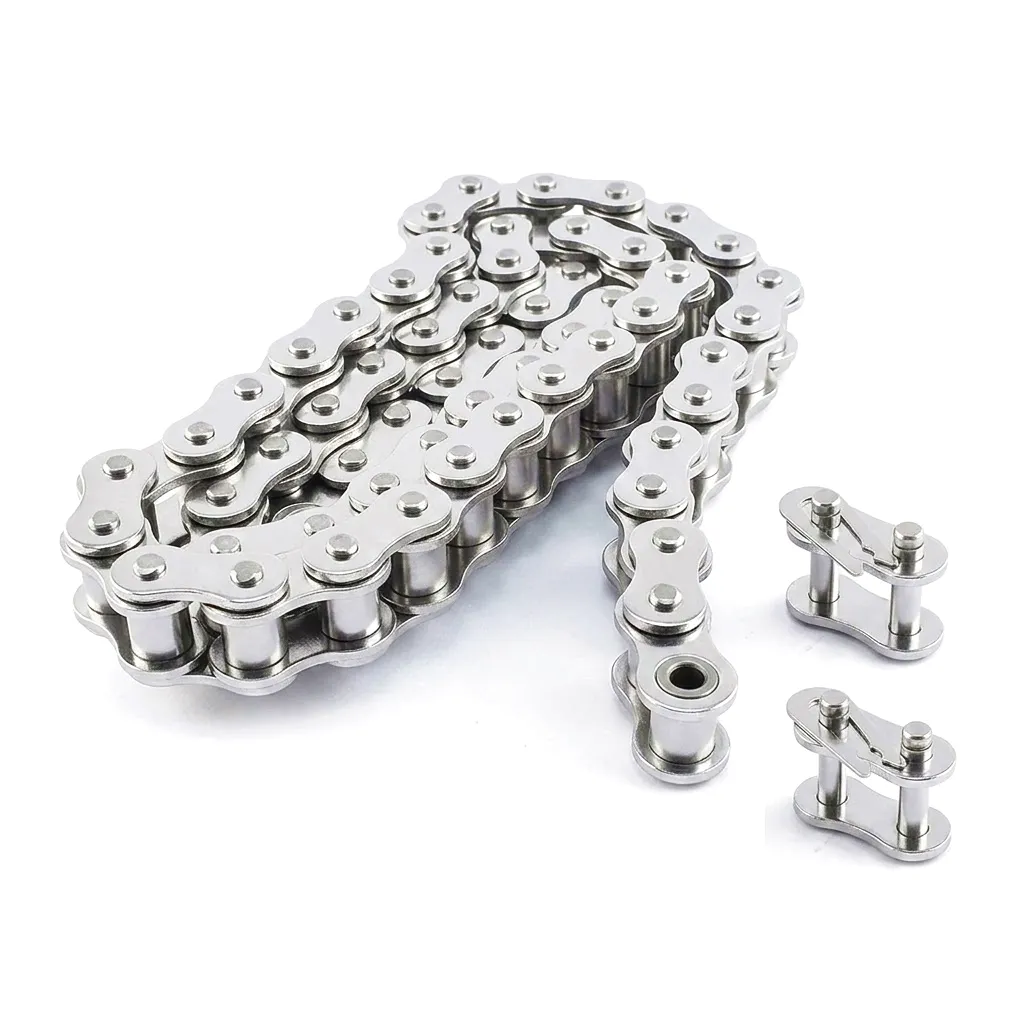
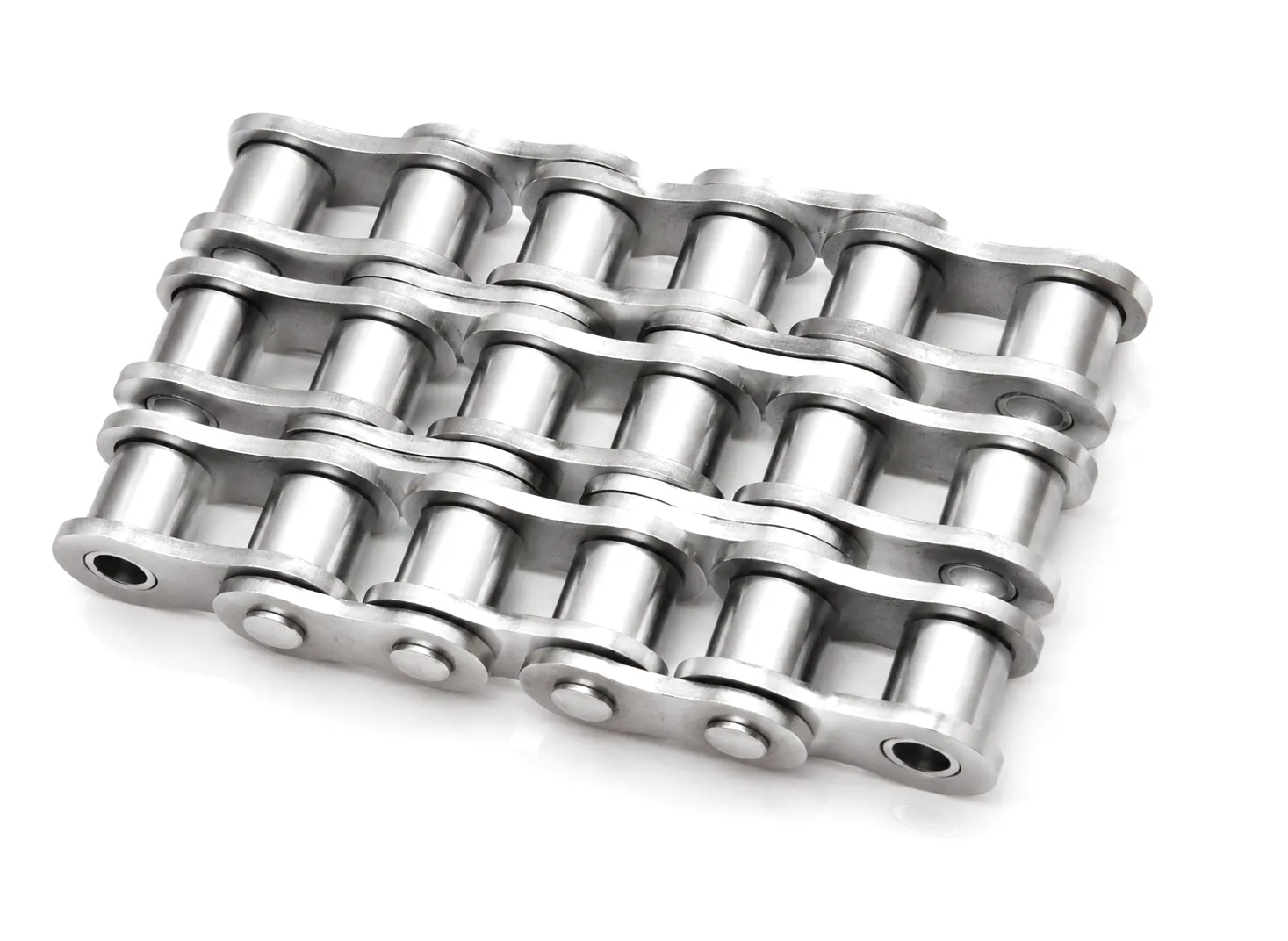
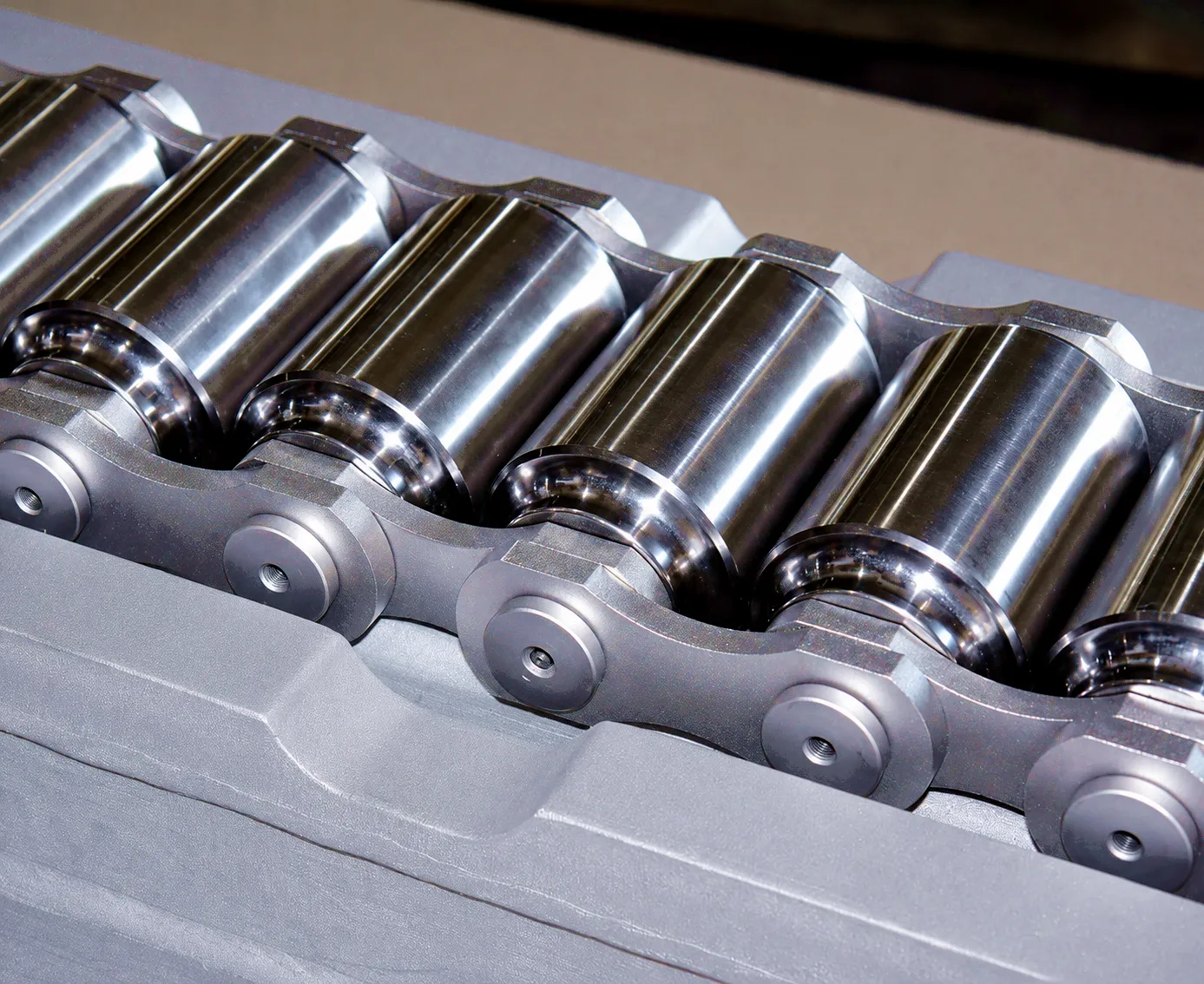
A single-strand chain consists of alternating inner and outer link plates connected by pins, bushes, and rollers — all aligned in a single plane of motion. A multi-strand (duplex, triplex, or higher) roller chain uses the same individual link components but places two or more parallel rows of inner links side by side, separated by a shared outer link plate, on a single extended pin. The result is a mechanically unified structure that transmits proportionally more power at the same pitch and chain speed, without requiring a wider sprocket tooth form.
In a multi-strand configuration, the total working load is theoretically shared across each strand. In practice, manufacturing tolerances mean the load is never perfectly equal — a duplex chain might see a 52/48 split between strands rather than a perfect 50/50. This is why engineers apply a multi-strand factor (typically 1.7 for duplex and 2.5 for triplex) rather than a simple multiplier when calculating rated tensile load. Understanding this nuance is critical for proper selection and prevents the false confidence of over-simplified load calculations.
Core Materials: What Roller Chain Is Made Of
The material selection for a roller chain determines its service life, corrosion resistance, operating temperature range, and suitability for the surrounding environment. A poorly matched material grade is one of the primary causes of premature failure, which is why understanding what goes into each component matters as much as the mechanical design itself.
The workhorse material. Used in the majority of standard industrial roller chains for general power transmission in dry or lightly lubricated environments. Offers excellent tensile strength and fatigue resistance at competitive cost. Link plates are typically cold-stamped from medium-carbon steel strip and then case-hardened.
Pins, bushes, and rollers in high-performance chains are manufactured from alloy steel — typically chromium-molybdenum grades — and then through-hardened or case-carburised. This combination delivers a hard, wear-resistant surface with a tough, impact-absorbing core. Essential for shock-load applications common in Sheffield’s forging and pressing operations.
304 and 316 stainless grades are specified where moisture, washdowns, mild acids or alkaline cleaning agents are present. Stainless roller chain is commonplace in UK food processing plants operating under BRCGS and BRC accreditation standards, where contamination risk must be minimised and hygiene protocols demand regular high-pressure cleaning without chain replacement.
Electroless nickel plating provides a cost-effective middle ground between carbon and full stainless — delivering meaningful corrosion resistance while retaining the mechanical properties of the base steel. Zinc-nickel and Dacromet coatings are also used in outdoor or marine-adjacent environments, such as port equipment on the Thames Estuary or coastal aggregate handling.
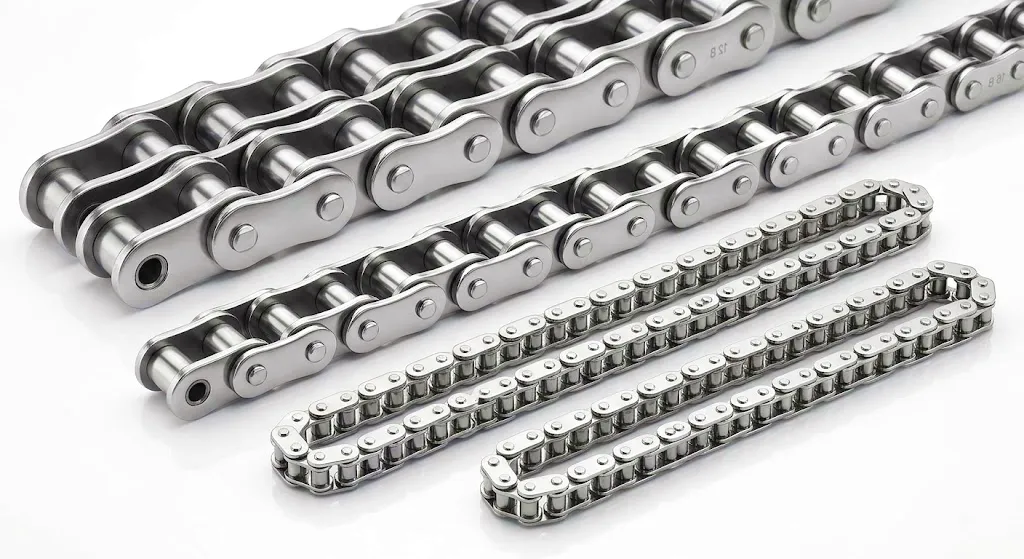
Single-Strand Roller Chain: Strengths, Limits, and Best Applications
A single-strand roller chain is the default choice across a vast range of industrial and commercial applications — and for good reason. Its simplicity is its strength. A single row of links is easier to align with precision, easier to tension correctly, requires less complex sprocket geometry, and offers greater lateral flexibility when the drive path is not perfectly linear. In practice, this translates to faster installation, easier maintenance windows, and a lower probability of alignment-induced wear — which accounts for a significant proportion of chain failures in real UK factory environments.
The power-to-weight ratio of a single-strand roller chain is surprisingly competitive. For applications in the low-to-medium power range — conveyor systems in West Midlands distribution centres, light-duty agricultural equipment in East Anglian arable operations, or timing drives in packaging machinery — a correctly selected single-strand chain running at an appropriate chain speed often delivers exactly the required performance at the lowest possible system cost. Engineers sometimes default to heavier chain specifications out of caution, but an oversized single-strand chain adds unnecessary mass, reduces drive efficiency, and increases the inertia that the motor must overcome during start-up cycles.
For conveying applications where product attachment is required — such as flight conveyors or slat conveyors — single-strand chain allows attachment plates and bent link plates to be fitted cleanly without the complications introduced by the extended pins in a multi-strand assembly. Products like the 24B-G1 Kauçuk Üst Makaralı Zincir demonstrate how specialised single-strand configurations can be engineered for product handling — the rubber top cap bonds directly to the outer link plate and provides grip for inclined conveyors in food or logistics operations, without any of the alignment complexity that a multi-strand configuration would introduce.
Multi-Strand Roller Chain: Power Density, Durability, and Drive Complexity
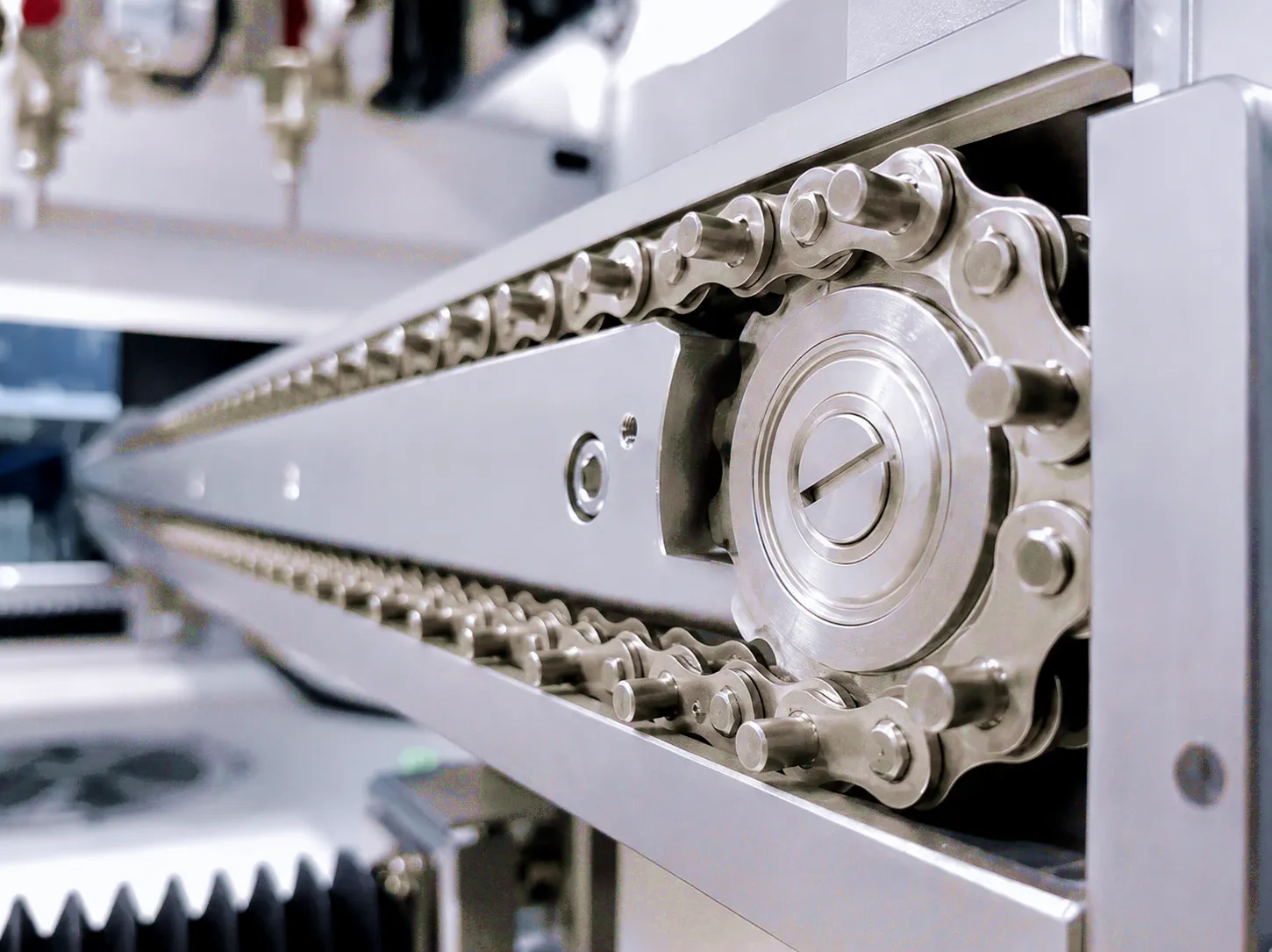
When the power demand of an application exceeds what a practical single-strand chain size can deliver — or when the available shaft centre distance prevents upgrading to a larger pitch — multi-strand roller chain becomes the logical next step. The duplex (2-strand) and triplex (3-strand) configurations are the most common in industrial practice, though quad and higher counts are available for extreme applications such as main drives in heavy presses or large-scale mining conveyors in Wales and northern England.
The engineering case for multi-strand chain rests on a fundamental principle: it delivers substantially higher rated tensile load and power transmission capacity at the same pitch and overall diameter as the equivalent single-strand chain. A duplex roller chain, for example, has an effective working load approximately 1.7 times that of the same pitch single-strand — the multi-strand efficiency factor accounts for the small but real load imbalance between strands. For a plant in Coventry running a heavy-duty conveyor drive at 1,500 rpm where space is limited and upgrading to a larger pitch chain would require new sprockets and redesigned shafting, a duplex configuration can solve the power gap immediately with minimal additional redesign.
Multi-strand roller chain also offers inherent redundancy. Should one strand suffer unexpected failure — from a manufacturing defect, a hard foreign-object contact, or a momentary shock overload — the remaining strands can often sustain enough load to keep the drive turning until a planned shutdown. In continuous-process industries such as steel rolling in Rotherham or paper manufacturing in Merseyside, even a few minutes of unplanned downtime carries disproportionate cost. This partial-failure tolerance is a meaningful operational advantage that is difficult to quantify on a specification sheet but is widely valued by experienced maintenance engineers.
Technical Performance & Specification Comparison Table
Core Advantages of Precision Roller Chain in Industrial Drives
Well-maintained roller chain drives achieve mechanical transmission efficiencies of 97–99% under normal operating conditions — outperforming belt drives in most comparable power ranges. There is negligible slippage, making roller chain the preferred solution where precise velocity ratios between input and output shafts must be maintained at all times, such as in timing-critical packaging or synchronised press-feeding systems.
Unlike toothed belt drives, which require precise tension from the outset, roller chain can accommodate a degree of variation in shaft centre distance through adjustment of the tensioner or by adding or removing a link. This makes roller chain exceptionally practical in environments where machinery is reconfigured or repositioned — common in the UK’s contract manufacturing sector and in seasonal agricultural machinery setups across the East Midlands and Lincolnshire.
The pin-and-bush construction of a roller chain acts as a natural shock absorber within the limits of the chain’s design. This tolerance for intermittent impact loading — which would rapidly fatigue a belt drive or damage a gear train — makes roller chain the standard choice in jaw crusher drives, hammer mill inputs, and similar crushing or breaking applications found throughout UK quarrying operations from the Pennines to the Cotswolds.
Roller chain wear is linear and measurable — chain elongation due to pin-bush wear follows a well-characterised curve, meaning maintenance engineers can schedule replacement based on measured elongation using a simple chain checker. This predictability enables planned maintenance rather than reactive breakdown repair, which directly supports UK manufacturers’ efforts to adopt Total Productive Maintenance (TPM) frameworks and reduce unplanned downtime costs.
Industrial Application Scenarios: Where Roller Chain Delivers
The breadth of industrial sectors served by roller chain in the UK market is one of the strongest arguments for understanding the single-vs-multi-strand decision in depth. Each application environment places different demands on the chain, and selecting the wrong strand count is as damaging to chain life as selecting the wrong pitch or material grade.
Ever Power: Precision Manufacturing & Custom Roller Chain Supply
Ever Power has built its reputation on the principle that a roller chain is only as reliable as the precision with which it is manufactured. Serving industrial buyers across the UK, EU, and global markets for over two decades, Ever Power’s production facilities operate to a standard that goes well beyond simply meeting BS EN ISO 606. Every component — pin, bush, roller, and link plate — is subject to dimensional verification at multiple stages of manufacture, with hardness testing conducted on sampled batches to confirm that heat treatment processes have achieved the specified case depth and core hardness values. This is not box-ticking: it is the foundation upon which chain service life predictions are based.
The customisation capabilities at Ever Power are extensive. UK procurement managers frequently work with our technical team to specify non-standard configurations that precisely match their existing plant — modified link plates with specific attachment hole patterns, extended pins for crossbar fittings, non-standard pitches for legacy machinery, and duplex or triplex configurations in stainless or nickel-plated grades. The in-house CNC machining and precision stamping lines allow prototype samples to be turned around rapidly, and the manufacturing logistics chain is structured to fulfil scheduled blanket orders with consistent lead times — a critical requirement for UK factories operating lean inventory strategies.
Customer Success Story: Heavy Conveyor Rebuild in Sheffield
 A specialist steel component manufacturer based on the outskirts of Sheffield had been running their primary conveyor line on a heavy-pitch single-strand roller chain that had been specified during the facility’s original installation in the mid-1990s. As production volumes grew over the intervening decades, the line was gradually pushed beyond its original design intent. Chain life had fallen to under eight months per replacement cycle — each change requiring a full shift of planned downtime and carrying a direct replacement cost plus indirect loss-of-production cost that the maintenance manager estimated at over £18,000 per event.
The plant’s engineering team contacted Ever Power’s technical sales department, who conducted a detailed drive assessment covering the calculated working load, instantaneous shock factor, operating chain speed, and the lubrication arrangement in place. The analysis identified that the single-strand chain was operating at approximately 78% of its rated breaking load during peak press cycles — far beyond the recommended maximum of 20–25% for continuous drives subject to shock. The recommendation was to retrofit a duplex configuration at the same pitch, using Ever Power’s precision alloy-steel roller chain with a verified minimum tensile strength of 110 kN per metre.
Ever Power fabricated the replacement duplex chain sets with custom extended connecting links to interface with the existing conveyor flight attachments, eliminating the need to replace the conveyor’s entire attachment architecture. Lead time from order confirmation to delivery at the Sheffield site was eleven working days. Following installation and a 500-hour running-in inspection, the chain showed no measurable elongation beyond 0.3% — well within the acceptable range. Eighteen months into service at the time of this case study, the chain remains in operation with no unplanned interventions, representing a direct saving of at least two emergency replacement events and a conservative operational saving exceeding £36,000.
Müşterilerimiz Ne Diyor?
“We had been through three other chain suppliers in five years before working with Ever Power. The duplex configuration they specified for our forge conveyor has now run for fourteen months without any elongation issues. The custom connecting links they supplied to match our existing flights saved us a full redesign. The technical support before the order was the best we have ever received from a chain supplier.”
“We operate a high-care food production site in Leeds under BRCGS accreditation. The stainless single-strand chain Ever Power supplied for our slat conveyor has been through daily caustic washdowns for over a year without any signs of surface corrosion or joint stiffening. The dimensional consistency between batches has meant our conveyor tensioning has remained stable. This is genuinely the most reliable chain we have run in that environment.”
“Our aggregate quarry in Derbyshire runs two heavy crushing lines on triplex roller chain. Ever Power quoted us a price that was genuinely competitive, but what clinched it was the documentation package — material certificates, hardness test results, and tensile test reports were all provided with the delivery. For us, traceability is not optional. The chain has performed exactly as specified and we have placed a standing annual supply agreement.”
Whether you need a standard single-strand chain for a conveyor rebuild, a custom duplex configuration for a heavy-duty press drive, or a stainless specification for a food processing environment, Ever Power’s technical team is ready to help. Contact us today for a fast, detailed, obligation-free quotation.