Ever Power · Industrial Chain Technology
Makaralı zincirlerin erken arızalanmasının yaygın nedenleri
A technical deep-dive for UK industrial engineers and procurement specialists — covering failure modes, diagnostics, material science, and preventive solutions across heavy manufacturing sectors.
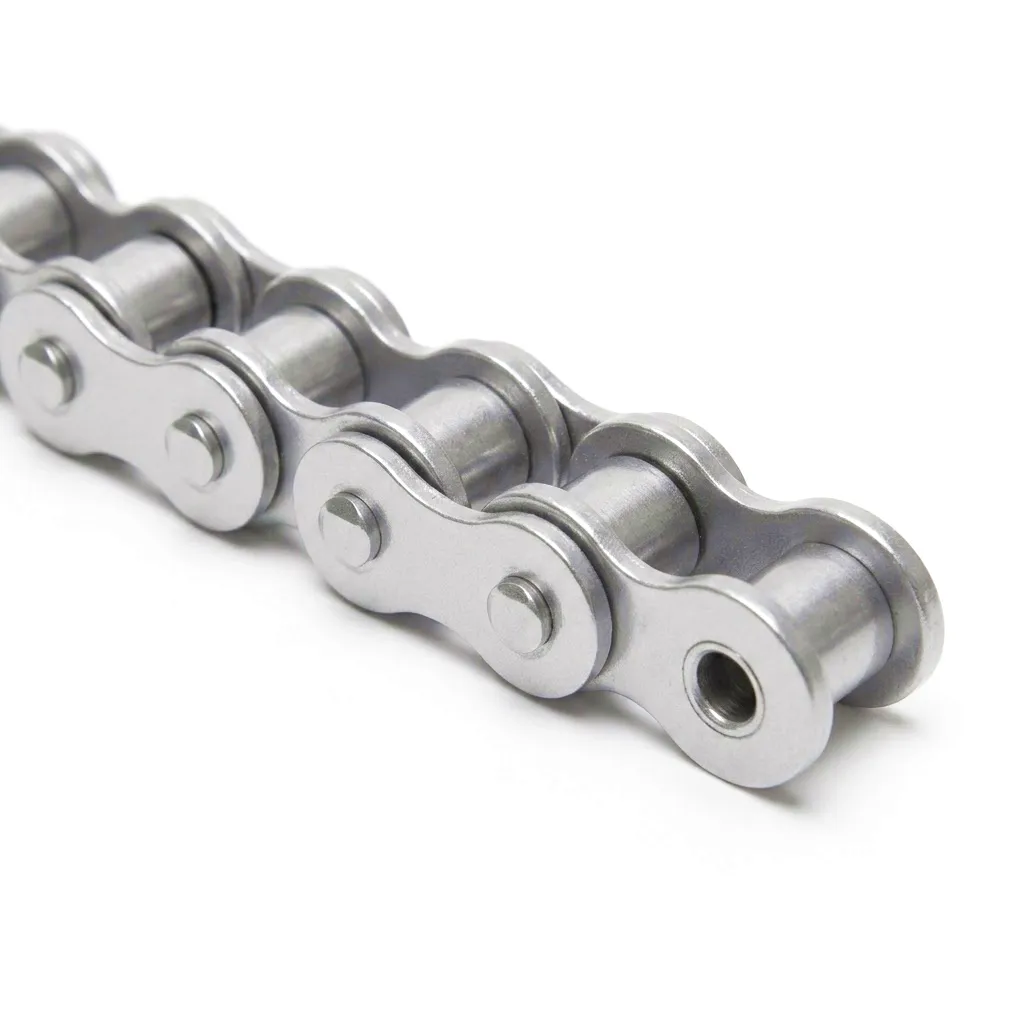
In workshops across Birmingham’s manufacturing belt, on the factory floors of Sheffield’s steel fabricators, and inside the automated logistics centres that keep Britain’s supply chains moving, roller chain is one of the most unassuming yet consequential components in mechanical power transmission. It runs quietly in the background — driving conveyors, elevating materials, synchronising agricultural machinery — until the moment it doesn’t. When a roller chain fails ahead of schedule, the consequences ripple outward fast: unplanned downtime, missed production targets, and the kind of emergency procurement costs that erode margins in ways that quarterly reviews always underestimate.
The frustrating reality is that most premature roller chain failures are entirely preventable. They stem not from some inevitable material exhaustion, but from identifiable, addressable root causes that repeat themselves across industries and geographies. Understanding those causes — and the mechanical and metallurgical principles behind them — is the single highest-leverage investment an engineering or maintenance team can make. This article walks through the dominant failure mechanisms, explains the underlying physics and chemistry, and connects each failure mode to practical corrective actions grounded in the realities of UK industrial procurement and maintenance culture.
Inadequate Lubrication — The Silent Chain Killer
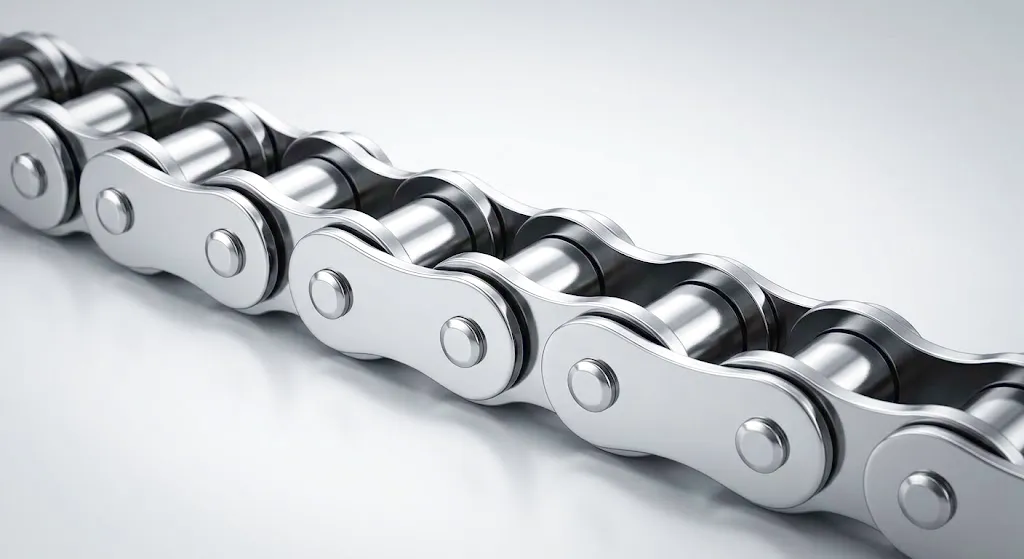
If there is a single root cause that engineering teams consistently underestimate, it is inadequate lubrication. A roller chain in service is an assembly of precisely machined articulating surfaces — pins running inside bushings, rollers contacting sprocket teeth — and every one of those interfaces is under load, cycling at speed, accumulating heat. Without a continuous, adequate film of lubricant penetrating to those internal contact surfaces, metal-to-metal abrasion begins almost immediately. The wear is invisible at first: a few microns lost from the pin diameter, a slight loosening of the pin-to-bushing fit. But the geometry of chain elongation means that this microscopic material loss translates directly into pitch error, which translates into how the chain seats on sprocket teeth, which accelerates wear on both chain and sprocket simultaneously.
The challenge in UK manufacturing environments is that lubrication is too often treated as a commissioning task rather than an ongoing maintenance discipline. A roller chain may be correctly lubricated at installation and then left to run indefinitely on that initial application. In food processing facilities in the Midlands, in automotive parts plants across Coventry and the West Midlands, the wash-down cycles and high-temperature curing ovens that are routine in production deplete lubricant far faster than standard maintenance intervals assume. The consequence is that chains run in a state of chronic under-lubrication for months before failure becomes obvious.
LUBRICATION FAILURE INDICATORS
· Reddish-brown dust on drive housing
· Audible high-frequency squealing
· Chain elongation exceeding 3% of nominal pitch
· Discolouration of link plates (blue/straw tinting)
Sprocket Misalignment and Its Chain Consequences
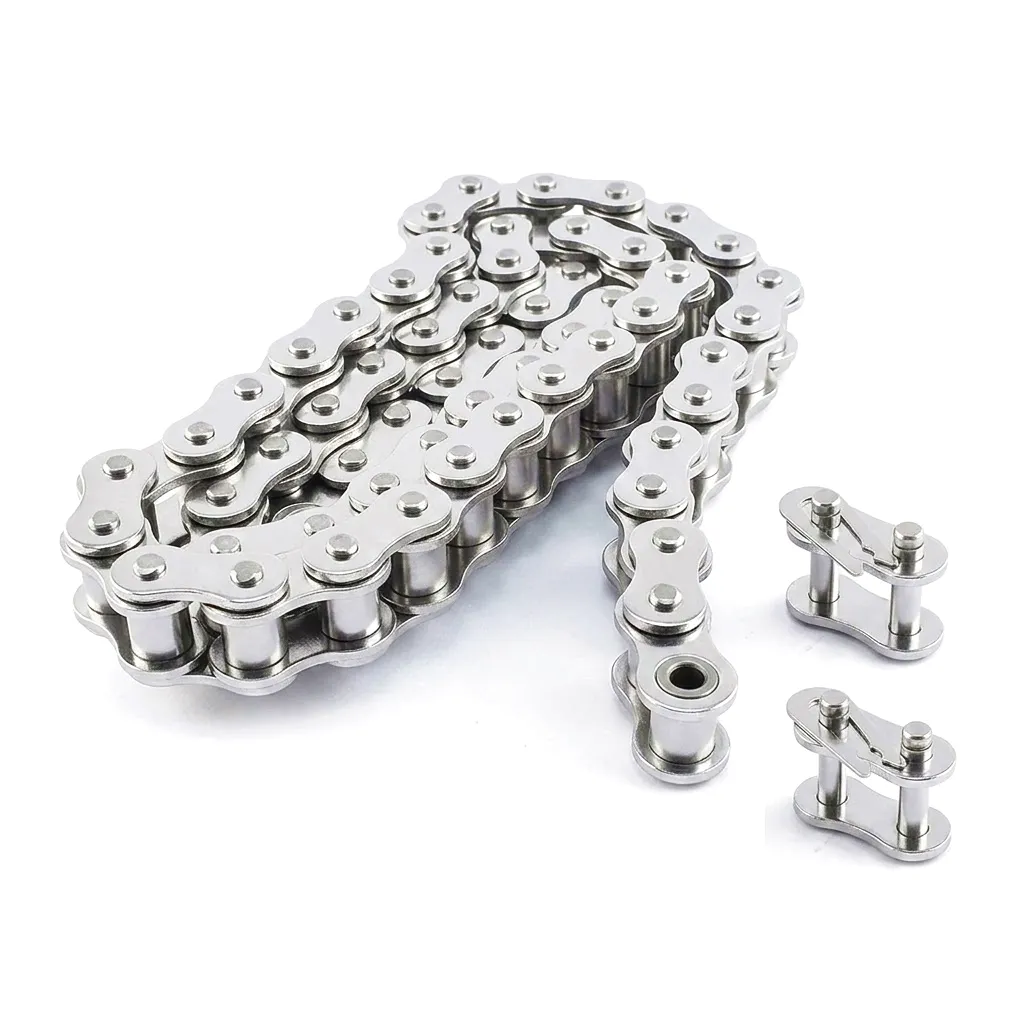 Roller chain is engineered to operate in a single plane. The geometry of its inner and outer plates, the precision of its pin-and-bushing clearances, the barrel diameter of its rollers — all of these are optimised for straight-line power transmission between co-planar sprockets. When angular or offset misalignment is introduced into the drive system, the chain is forced to articulate laterally as well as longitudinally. The inner plates experience bending stresses they were never designed to carry. The rollers no longer seat cleanly in sprocket tooth form but instead contact the teeth at an angle, concentrating load into a small area of the roller’s cylindrical surface and into the corner of the tooth flank.
In Leeds textile machinery installations and in the packaging lines common throughout the East Midlands, misalignment often develops gradually. Shafts deflect under load. Bearing housings shift on foundations that were originally installed with acceptable but not perfect precision. Thermal expansion across a long working day moves components away from their cold-set positions. The result is a chain that experiences intermittent lateral loading, which produces the distinctive wear pattern of uneven link plate edge erosion — the plates wear thin on one side while the opposite side remains nearly unworn. A maintenance team that understands this pattern can diagnose misalignment from worn chain geometry alone, long before the chain reaches the point of failure.
ANGULAR
Sprocket faces are not co-planar — drive and driven shafts sit at an angle to each other. Chain wraps helically rather than flat, creating bending in the plate stack.
PARALLEL OFFSET
Sprocket tooth centrelines are laterally offset. Chain runs with a constant sideways skew, loading one edge of the inner plates throughout the drive cycle.
COMBINED
The most destructive form — angular and offset misalignment occurring simultaneously. Produces complex stress states in plates and pins that accelerate fatigue cracking.
Overloading, Shock Loads, and Fatigue Fracture
There is a categorical difference between the static tensile strength of a roller chain and its fatigue limit under cyclic loading — and it is the fatigue limit that actually governs service life in real applications. A standard BS/ISO-compliant roller chain might have a minimum tensile strength of 60 kN, but subjected to cyclic loads of 20 kN — a third of that static figure — it can still fail by fatigue after enough stress cycles if the load is applied abruptly. This is the mechanism behind shock-load failure, and it is alarmingly common in UK heavy industry.
In quarry conveyor systems in the Peak District, in the aggregate processing plants of the Welsh Valleys, and in the bulk materials handling installations common across Yorkshire’s industrial corridor, roller chain drives routinely encounter shock loading events — a large rock dropping onto a conveyor at start-up, a jammed component releasing suddenly, a drive motor with inadequate soft-start characteristics cycling on at full torque. Each of these events applies a stress spike to the chain that may be several multiples of the average operating load. The chain survives the first event, and the second. But each event initiates or propagates microscopic cracks in the most highly stressed regions: the press-fit zones around pin holes, the inner radius of the link plate aperture. The number of these events to catastrophic plate fracture is entirely unpredictable from visual inspection, which is why chains subjected to frequent shock loading must be sized with significantly higher safety factors than clean, steady-state applications would require.
FEATURED PRODUCT — HEAVY-DUTY VARIANT
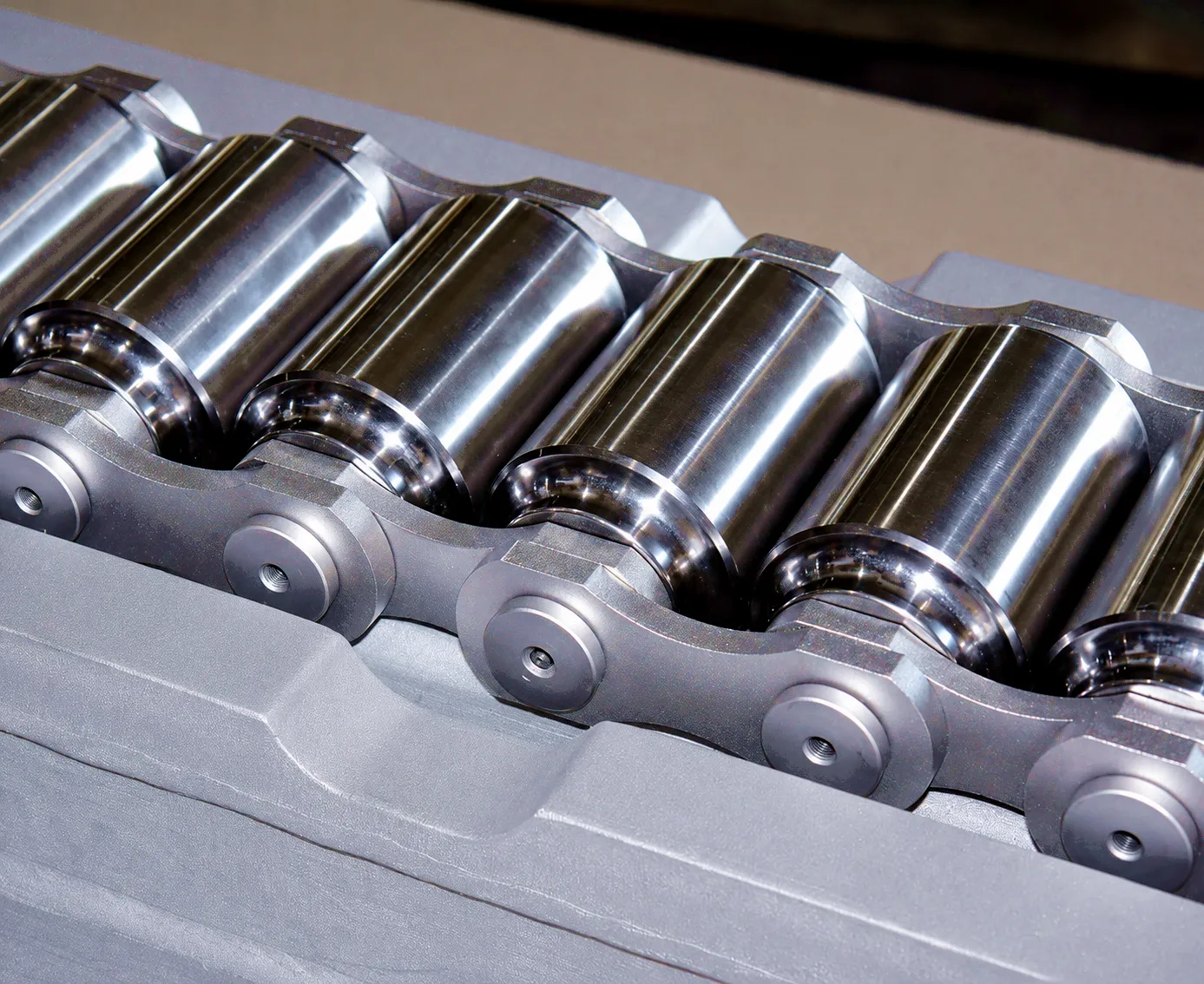
24B-G1 Kauçuk Üst Makaralı Zincir
Engineered for applications where shock load mitigation and surface grip are simultaneously required. The moulded rubber inserts on the top plate absorb impact energy that would otherwise transmit directly into the plate stack, reducing peak stress at the press-fit zones where fatigue cracking most commonly initiates. Suitable for conveying and drive applications across mining, quarrying, and bulk material handling sectors.
Incorrect Chain Tension and Installation Errors
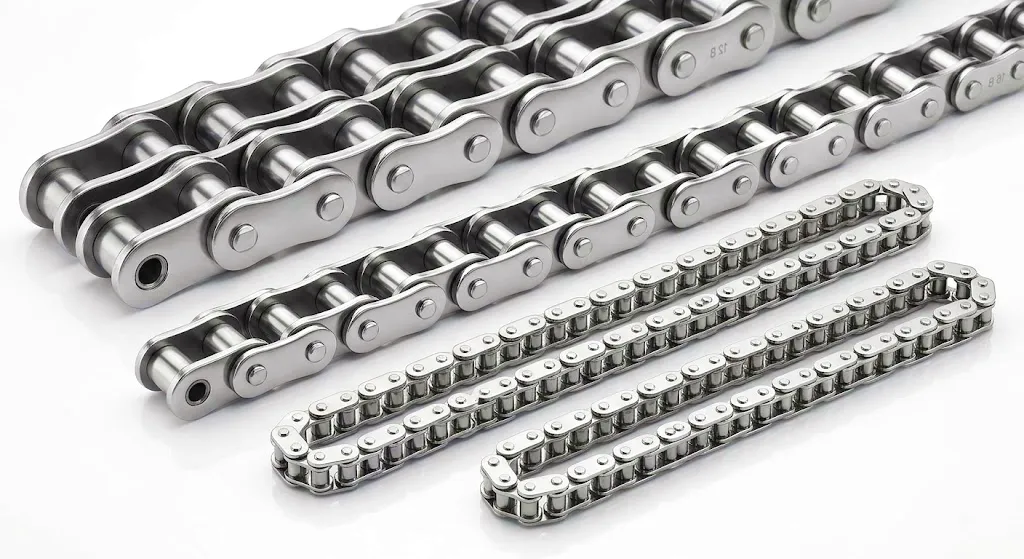
Chain tension sits at the intersection of two failure modes, and the error can go in either direction. A roller chain installed with insufficient sag will oscillate on the slack strand — the natural frequency of that strand, combined with the polygon effect of chain seating on sprockets, creates a dynamic loading condition that is far more severe than the drive’s steady-state specification would suggest. The slack strand vibrates, whips, and when a resonant condition develops, the dynamic loads can reach multiples of the nominal drive load within milliseconds. This is not a gradual wear mechanism. It can cause sudden fracture of link plates or the connector link at seemingly random intervals.
Too tight is equally destructive. An over-tensioned chain eliminates the natural articulation clearance within the pin-bushing interface. What should be a smooth rotational movement of pin within bushing becomes a forced, heavily loaded contact — essentially the same condition as a dry, under-lubricated drive, but created by geometry rather than lubricant absence. The bearing pressure within the bushing rises sharply, accelerating wear in the pin-bushing pair until elongation becomes excessive. In the precision manufacturing plants and CNC machine tool shops scattered across Coventry and Derby, where machine operators notice changes in noise and vibration immediately, over-tension is often caught quickly. In high-noise heavy fabrication environments, it can run undetected for weeks.
| Condition | Slack Strand Sag | Effect | Failure Risk |
|---|---|---|---|
| Over-tight | < 1% of centre distance | Excessive pin-bushing bearing pressure, bearing heating | Yüksek |
| Correct | 2% – 3% of centre distance | Normal articulation, correct lubrication film formation | Düşük |
| Too slack (horizontal) | > 4% of centre distance | Strand vibration, dynamic overloading, noisy operation | Medium–High |
| Too slack (vertical/inclined) | > 1.5% of centre distance | Chain slap, sprocket tooth overloading on pick-up | Yüksek |
Corrosion, Contamination, and Chemical Attack
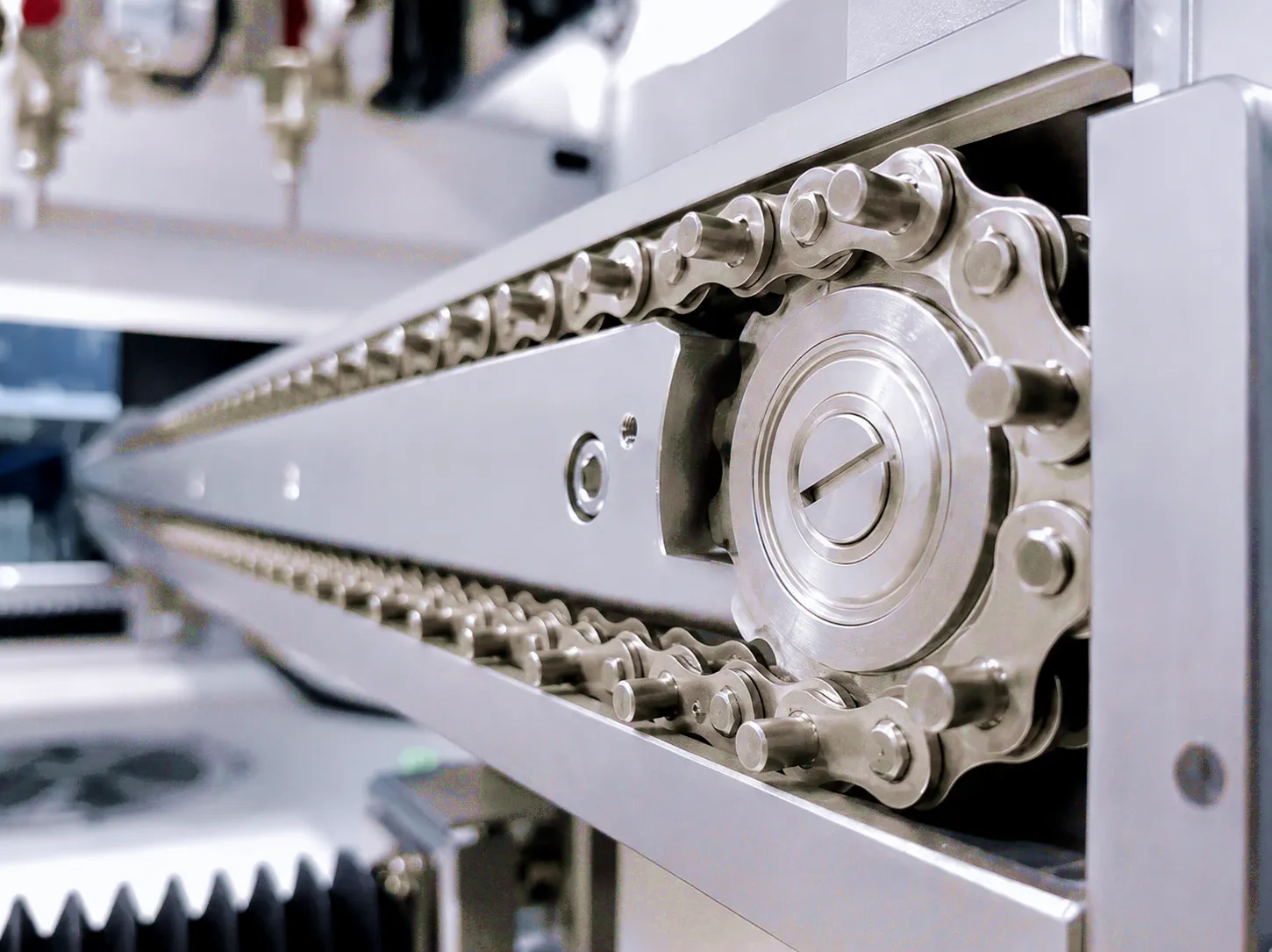
Corrosion is a particularly insidious failure mechanism because it operates on the internal geometry of the chain — the pins, bushings, and roller bore surfaces that sit between the outer plates, hidden from visual inspection during normal maintenance rounds. Britain’s industrial environments are not generally characterised by extreme chemical aggression, but the combination of ambient humidity, the salt contamination common in coastal facilities from Scotland’s North Sea installations to Plymouth’s port-adjacent factories, and the acid mist generated in metal treatment processes around the Black Country, creates conditions that can significantly accelerate electrochemical corrosion on standard carbon steel chain components.
Contamination acts as an abrasive accelerant. When swarf, scale, grit, or silica dust enters the pin-bushing gap — which in a working chain is continuously opening and closing as links articulate — those particles become embedded in the running surfaces and act as cutting tools, removing material with each operating cycle. A chain running in a contaminated environment can elongate several times faster than the same chain in a clean installation, even with identical loading conditions and lubrication. The industries at highest risk in the UK context are stone processing, aggregate handling, agricultural operations across the East Anglian fens, and construction plant maintenance depots. In these settings, sealed-bushing chain or O-ring/X-ring sealed chain variants should be standard specification rather than optional upgrades.
Wrong Chain Selection — Specification Errors at Source
Perhaps the most fundamental cause of premature failure is selection of the wrong chain from the outset. This is not an operational error — it is an engineering error, and it is one that is remarkably common, particularly when procurement decisions are made on price rather than specification, or when a system is upgraded to higher power without a corresponding review of the transmission components. The BS EN ISO 606 standard that governs roller chain dimensions in the UK specifies pitch, roller diameter, bushing diameter, pin diameter, and breaking load minimums. But working load is a function of pitch, speed, number of sprocket teeth, service factor, and environmental duty — none of which are captured by the ISO size designation alone.
A common scenario in UK retrofit and upgrade projects: an existing drive uses, say, 16B simplex chain. The motor is upgraded for higher throughput. The chain pitch remains unchanged because the sprockets have not been replaced and the budget does not extend to a full drive redesign. The new power density exceeds the chain’s recommended working load, and the drive now operates with a safety factor below the minimum recommended for the service class. The chain runs without immediate failure because static tensile strength provides a cushion, but fatigue life has been drastically reduced. Within months, plate fractures begin — and the maintenance log shows repeated “unexplained” chain failures that are never traced back to the original upgrade decision.
FEATURED PRODUCT — CONVEYING APPLICATION
20B-G1 Kauçuk Üst Makaralı Zincir
The 20B-G1 addresses the specific failure mode of lateral plate stress in conveying applications. Its rubber top inserts provide both grip and lateral damping, while the 20B base pitch gives a working load capacity suited to medium-duty industrial conveyors across food processing, packaging, and general manufacturing sectors common throughout the UK’s North West and Yorkshire regions.
Makaralı Zincir Teknik Performans Parametreleri
The table below provides reference performance data for standard BS/ISO roller chain sizes commonly specified across UK industrial applications. Values are based on standard carbon steel construction with quality heat treatment. Working load figures assume smooth, even loading with adequate lubrication and correct alignment — actual service capacity must be adjusted for application-specific service factors.
| ISO Size | Hatve (mm) | Roller Dia (mm) | Minimum Kırılma Yükü (kN) | Typical Max Speed (rpm) | İğne Malzemesi | Application Duty |
|---|---|---|---|---|---|---|
| 08B | 12.70 | 8.51 | 17.8 | 2,000–3,000 | Alloy steel, case-hardened | Light-duty drives, food processing |
| 10B | 15.875 | 10.16 | 22.2 | 1,500–2,500 | Alloy steel, case-hardened | Packaging, automation, light agri |
| 12B | 19.05 | 12.07 | 29.0 | 1,000–2,000 | Alloy steel, through-hardened | General industrial, textile, HVAC |
| 16B | 25.40 | 15.88 | 60.0 | 600–1,200 | Alloy steel, through-hardened | Heavy industrial, conveyors, mining |
| 20B | 31.75 | 19.05 | 95.0 | 400–900 | Alloy steel, shot-peened plates | Heavy-duty conveying, quarrying |
| 24B | 38.10 | 25.40 | 160.0 | 200–600 | High-alloy steel, induction-hardened | Extreme-duty, steel plant, bulk handling |
Birleşik Krallık Sektörlerinde Endüstriyel Uygulama Senaryoları
Roller chain serves a remarkably diverse range of industries across the United Kingdom, and the failure modes that dominate in each sector differ significantly based on the operating environment, load profile, and maintenance culture of that industry. Understanding which failure mechanisms are most prevalent in a given application context allows engineering teams to pre-empt problems rather than react to them.
AUTOMOTIVE MANUFACTURING — WEST MIDLANDS
Body press and paint shop conveyors in Coventry and Solihull require roller chain with exceptional fatigue resistance due to high cycle counts and temperature variation between cold ambient and oven-cure environments. Lubrication intervals must account for the thermal cycling that depletes oil viscosity rapidly. The dominant failure mode here is fatigue fracture combined with thermal lubricant degradation. Specification of high-temperature grease-lubricated sealed chains dramatically extends service life in curing oven transfer applications.
STEEL FABRICATION — SHEFFIELD & ROTHERHAM
Sheffield’s steel processing industry places extreme demands on roller chain in the form of scale contamination, radiant heat from rolling and forging operations, and shock loading from billet handling equipment. Standard carbon steel chain corrodes rapidly in this environment from the combination of scale particle abrasion and acidic steam. Stainless steel chain or nickel-plated carbon steel chain is frequently specified, alongside sealed-bushing designs that prevent scale ingress into the pin-bushing interface — the most vulnerable abrasion site.
AGRICULTURAL MACHINERY — EAST ANGLIA
Combine harvesters, grain elevators, and straw balers operating across the Fens and Norfolk Broads work in some of the most contaminated environments imaginable — silica-laden dust, crop debris, moisture from morning dew and irrigation. The seasonal, high-intensity operating pattern means chains are often stored between seasons in sub-optimal conditions. The combination of corrosion during storage and abrasive contamination during operation makes agricultural roller chain among the most demanding applications. O-ring sealed chain with factory-packed grease substantially reduces both corrosion and abrasive wear in these conditions.
FOOD & BEVERAGE PROCESSING — NATIONWIDE
Hygiene-critical environments in food production facilities from the Lincolnshire food cluster to the Glasgow beverage manufacturing sector impose a unique constraint: standard petroleum-based chain lubricants are prohibited. Food-grade lubricants are specified by regulation, but these lubricants typically have lower load-carrying capacity than industrial grades. Under-lubrication failure is consequently endemic in food processing roller chain unless maintenance intervals are adjusted to account for the lower lubricant film strength. Stainless steel chain with food-grade lubricant is the preferred specification for direct-contact applications.
MANUFACTURER PROFILE
Ever Power: Precision Manufacturing and Full Customisation Capability
Ever Power operates a fully integrated roller chain manufacturing facility, combining in-house metallurgical expertise with precision CNC machining, controlled-atmosphere heat treatment, and rigorous quality assurance systems aligned to ISO 9001 standards. The breadth of the manufacturing capability is what sets Ever Power apart in the global B2B supply landscape: the factory is not constrained to catalogue items, and the engineering team works directly with procurement and technical contacts at client companies to develop chain solutions that address the specific failure patterns their operations are experiencing.
Customisation capabilities extend across the full chain specification. Material selection — from standard carbon steel through to AISI 316 stainless, nickel-plated, or zinc-nickel alloy-plated variants — is determined by the corrosion and contamination profile of the application. Surface treatments including shot peening, which substantially improves fatigue life of link plates by inducing beneficial compressive residual stress, are available as standard options. Seal types — standard, O-ring, X-ring — are specified based on environmental contamination risk. Attachment types (A1, A2, K1, K2, and bespoke configurations) are fabricated to drawing for conveying applications that require specific product engagement geometry. For UK clients, Ever Power maintains responsive lead times and can provide sample chains for engineering evaluation before committing to full production quantities.
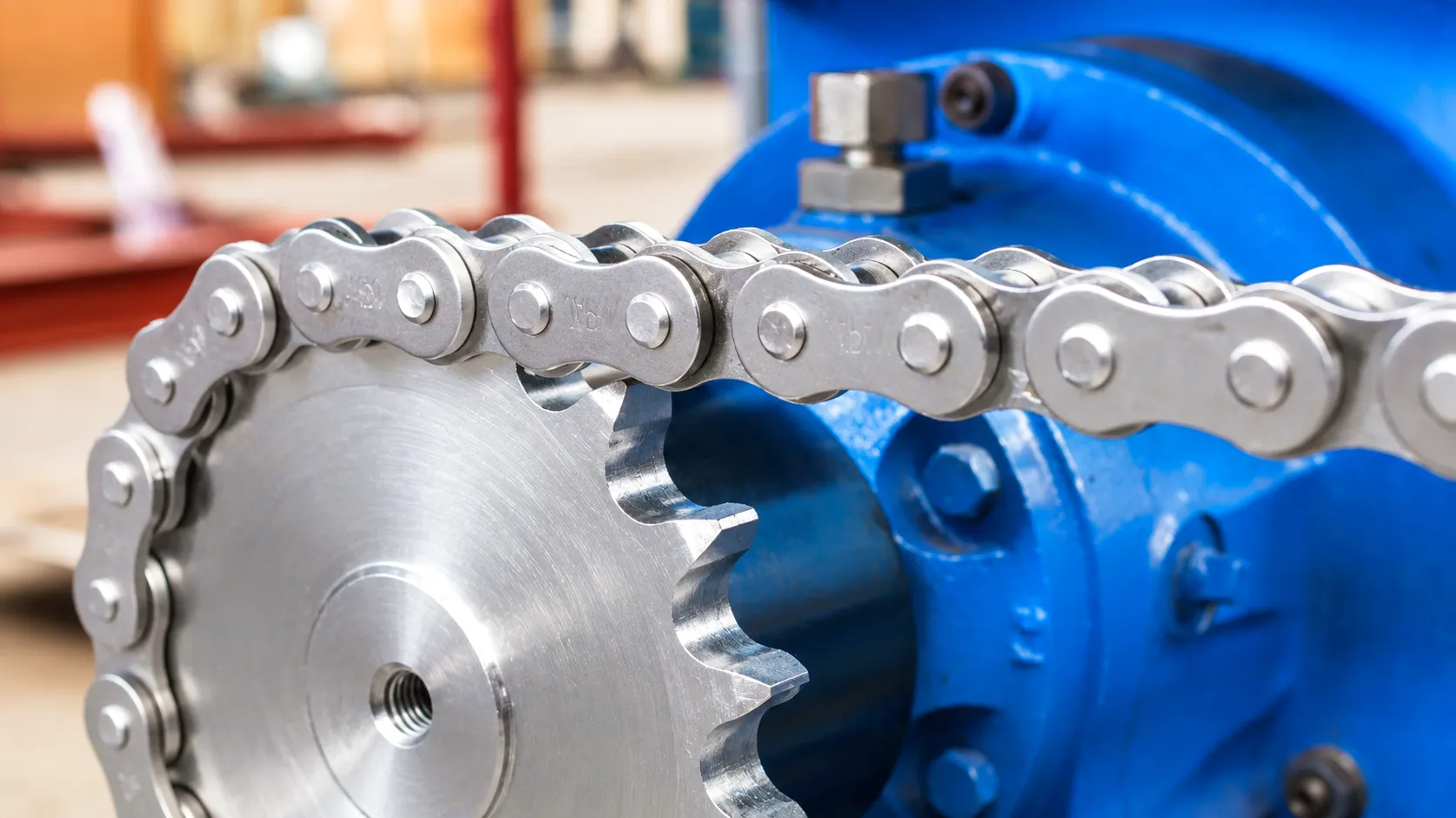
CUSTOMER SUCCESS STORY
Case Study: Aggregate Conveyor Reliability — County Durham, Northeast England
THE CHALLENGE
A bulk aggregate processing company operating quarry and wash plant facilities in County Durham was experiencing roller chain failures on their primary incline conveyors at intervals of four to six weeks — far below the expected operational life. The facility processes limestone and gritstone, and the chain environment combines silica dust, water from the washing process, and the shock loads associated with large aggregate lumps dropping onto moving conveyors at transfer points. Three separate chain suppliers had been tried over eighteen months without meaningful improvement in service life. Unplanned downtime was costing the business an estimated £15,000–£22,000 per incident in lost throughput and emergency maintenance costs.
THE EVER POWER SOLUTION
Ever Power’s engineering team reviewed the failure analysis data from the client’s most recent chain replacements, which showed classic abrasive contamination wear — rapid pin diameter reduction and bushing bore enlargement consistent with silica particle ingress — combined with fatigue fractures at the link plate aperture radii indicating periodic shock overload. The recommendation was a custom-specified 20B X-ring sealed chain in carbon steel with shot-peened plates and a higher safety factor sizing, coupled with a revised lubrication programme using high-viscosity penetrating oil applied to the chain on the slack strand side at controlled intervals. The X-ring sealed design eliminated the primary contamination pathway into the pin-bushing interface. Shot-peened plates increased the fatigue initiation resistance of the link plates by approximately 30% compared to standard plates. Three months after commissioning the first complete line with Ever Power chain, the facility had experienced zero unplanned chain-related stoppages.
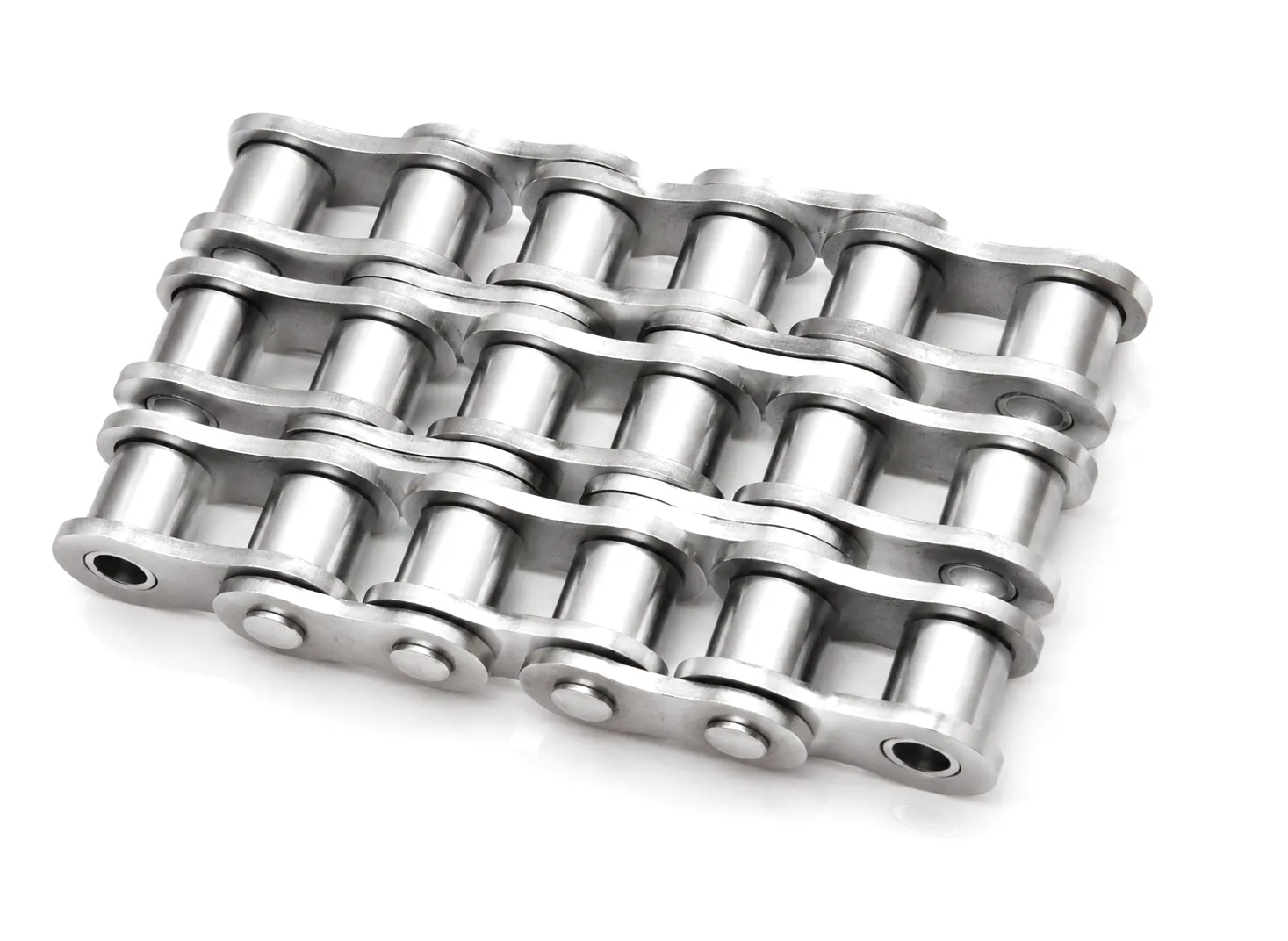
MEASURABLE OUTCOMES
· Chain service life: 6 weeks → 28+ weeks
· Unplanned downtime incidents: 0 in first quarter
· Total chain cost per tonne processed: -42%
· Full rollout to all four lines authorised
What UK Engineers Say About Ever Power Chain
“We had been through four different suppliers trying to solve our chain failure problem on the press line. Ever Power was the first company to ask us detailed questions about our operating environment before recommending a chain. The sealed 16B they spec’d has now run for seven months without a single unplanned stop. The technical support before and after the sale was genuinely impressive — they knew what they were talking about.”
J. Hartley — Maintenance Engineering Manager
Automotive Components Manufacturer, Birmingham
“The customisation capability is what makes Ever Power stand out. We needed attachment chain with a very specific K2 attachment spacing to fit our existing conveyor framework without modification — off-the-shelf catalogue products from other suppliers would have required us to redesign the whole carriage system. Ever Power manufactured to our drawing, delivered sample links within a week for approval, and had full production quantities here within the agreed lead time. Quality was exactly to specification.”
D. Wainwright — Head of Engineering Procurement
Food Processing Group, Lincolnshire
“We run a fleet of heavy plate rolling and forming equipment in Sheffield, and chain is something we get through. Ever Power’s 20B with the shot-peened plates is noticeably tougher than anything else we have used — you can see it in how the chain looks after six months of service compared to what we used to replace at six weeks. The price per unit is fair when you factor in total cost of ownership properly. We have standardised on Ever Power for all our heavy-duty drive applications.”
M. Cavendish — Plant Engineer
Heavy Plate Fabrication, Sheffield
FREQUENTLY ASKED QUESTIONS
Common Questions from UK Industrial Engineers and Buyers
EVER POWER · PRECISION ROLLER CHAIN
Ready to Eliminate Premature Chain Failure?
Talk to Ever Power’s engineering team about the specific failure patterns your operation is experiencing. We will recommend the chain specification most suited to your duty, provide comparative analysis if required, and supply sample quantities for your own evaluation before full commitment.
GET A QUOTE — [email protected]
gzl tarafından düzenlendi